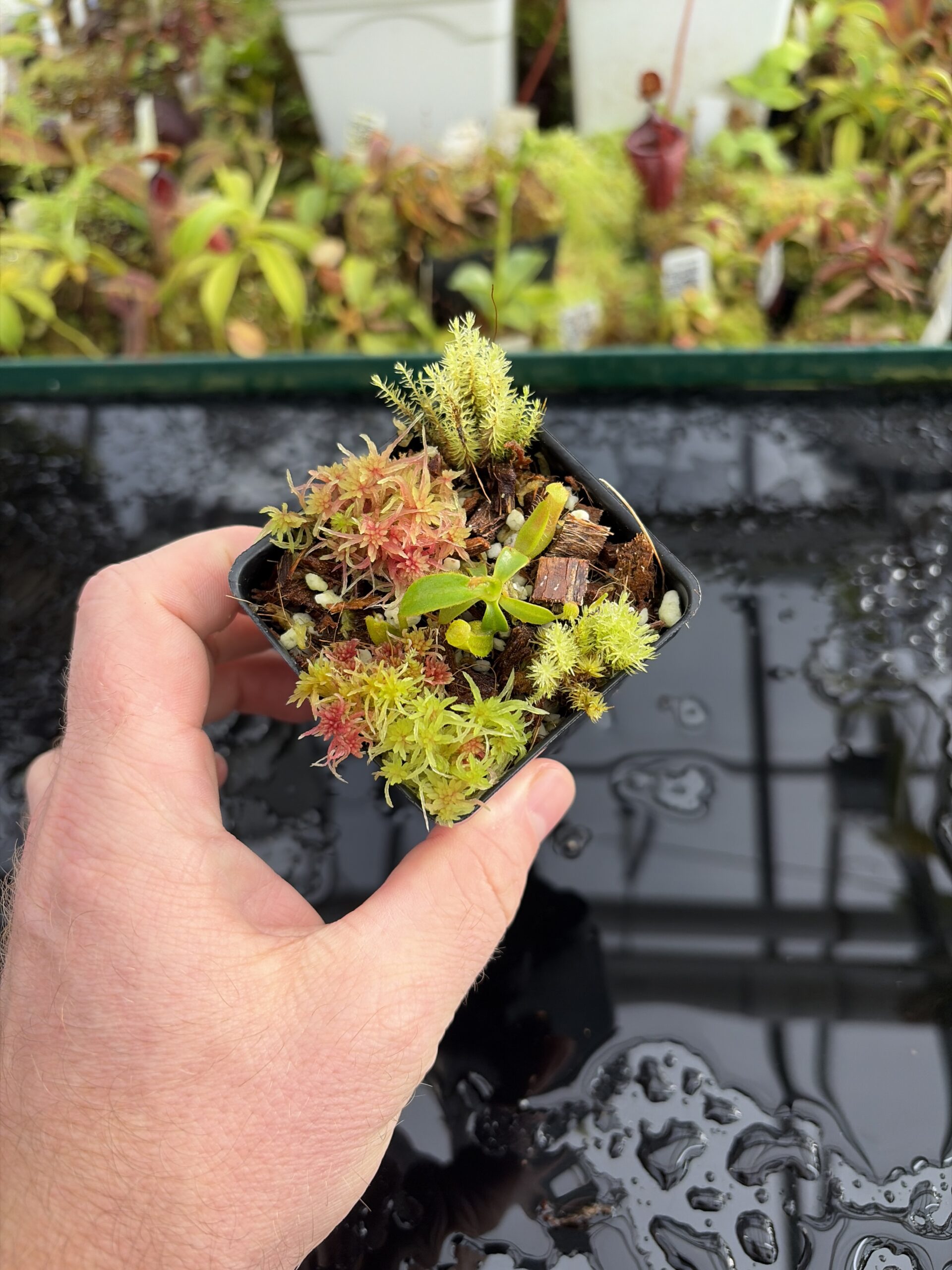
Nepenthes veitchii Pa’umor x edwardsiana | Florae Collaborative | FC-182.15 | IN28036

Starting bid: $ 1.00

Item condition: New

Time left:

Auction ends: November 29, 2026 6:30 pm
Timezone: America/New_York

Propagation Method Tissue Culture
Size Extra Small
Specimen Number IN28036
SKU: NEP-0825 Categories: , Tag:

Plant Type

Growth Condtions

Description

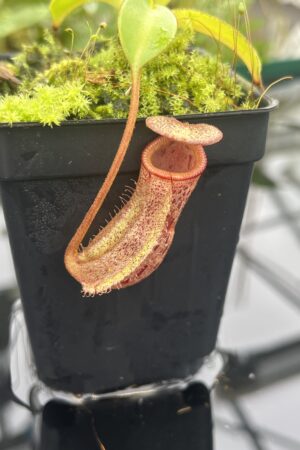
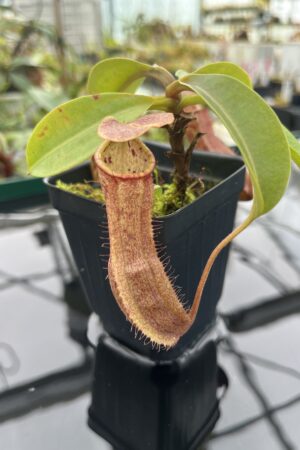
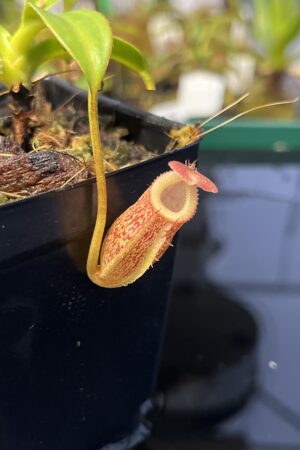
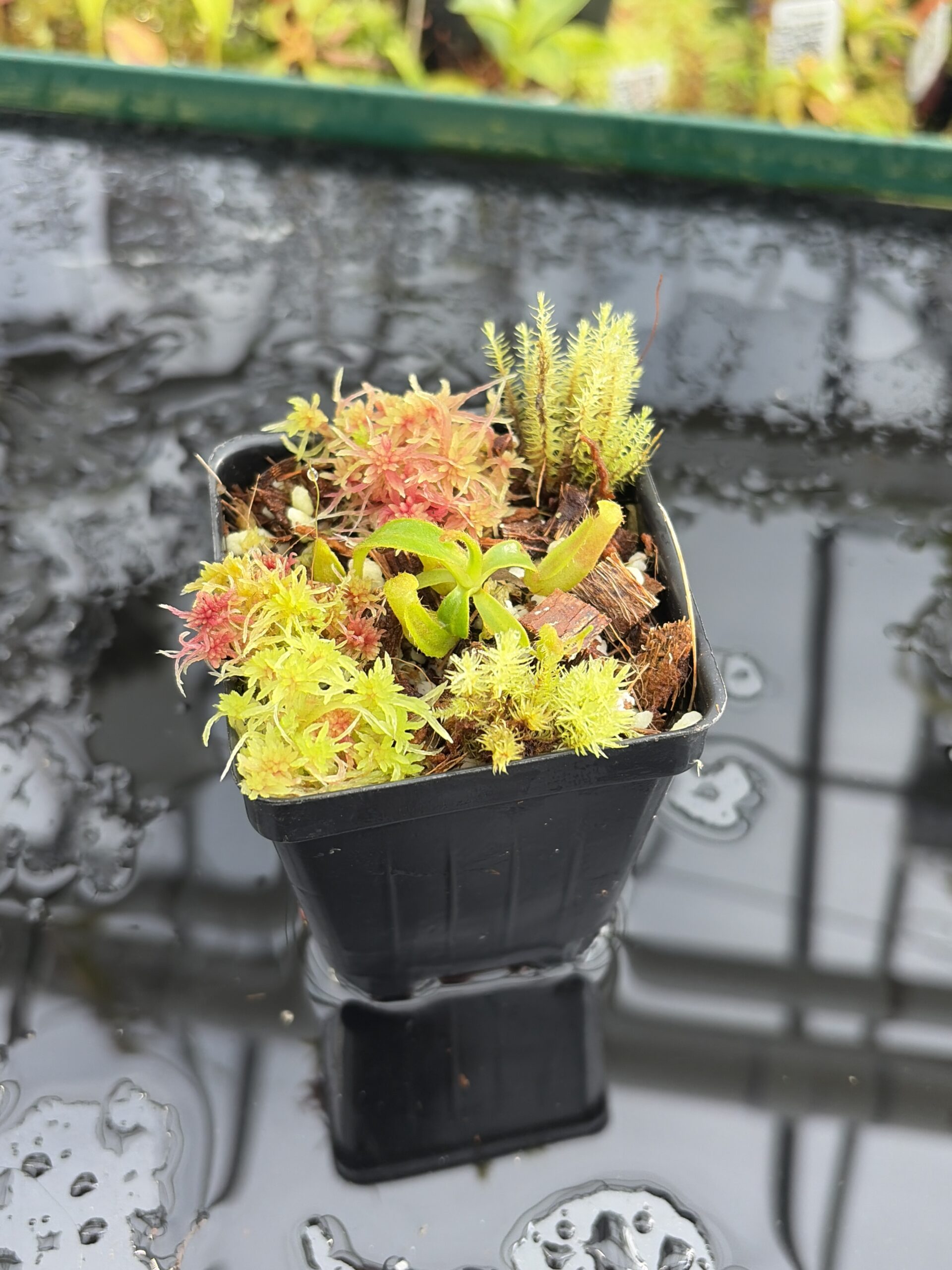
The plant in the photo is the exact plant you will receive. Our auction guidelines can be found here.

We offer a Live Plant Guarantee and ship all of our plants potted.

Purchasing this plant supports the planet! 1% of all revenue is donated to environmental conservation in partnership with 1% for the Planet.

See also:

Auction History

November 23, 2026 8:00 amAuction started

Learn more about this plant

Nepenthes veitchii (Pa'umor) × edwardsiana

N. veitchii from Pa'umor in Sarawak's Kelabit Highlands crossed with Kinabalu's N. edwardsiana.

The N. veitchii in this cross comes from Pa'umor, a village a few kilometers from Bario in the Kelabit Highlands of Sarawak. One grower's account puts Pa'umor at about 850 m and Bario at about 1,000 m. Plants from both places are sold as highland veitchii, although the same account argues that these altitudes are closer to intermediate for the species. Most N. veitchii grow as epiphytes, but the Bario form appears to be strictly terrestrial and has not been seen climbing trees.

Nepenthes edwardsiana is endemic to the highland slopes of Mount Kinabalu and Mount Tambuyukon at 1,500 to 2,700 m. It has tall upper pitchers, usually around 30 cm, with a peristome of closely spaced, high ribs. Documentation on this cross is limited, so expect individual character.

Parents

Nepenthes edwardsiana

A Kinabalu Park highland species with tall pitchers and one of the most refined, closely ribbed peristomes in the genus.

Care

Growing intermediate Nepenthes

Warm days, mild nights and high humidity: forgiving conditions that suit hybrids with both highland and lowland parents.

Intermediate Nepenthes sit between the cool highland and the warm lowland plants, and many hybrids with parents from both are happiest here. Aim for days about 70 to 80 F (21 to 27 C) and nights about 55 to 65 F (13 to 18 C), with humidity above 70 percent, bright filtered light and good airflow. A modest drop at night helps, but these plants tolerate more warmth than strict highlanders.

Use an open mix that drains fast, such as long-fiber sphagnum with perlite or bark, and keep it evenly moist with pure water (rain, distilled or reverse osmosis).

Give larger plants room to climb or trail as they mature. The pitchers feed the plant; fertilizer, if any, should be light and occasional.