
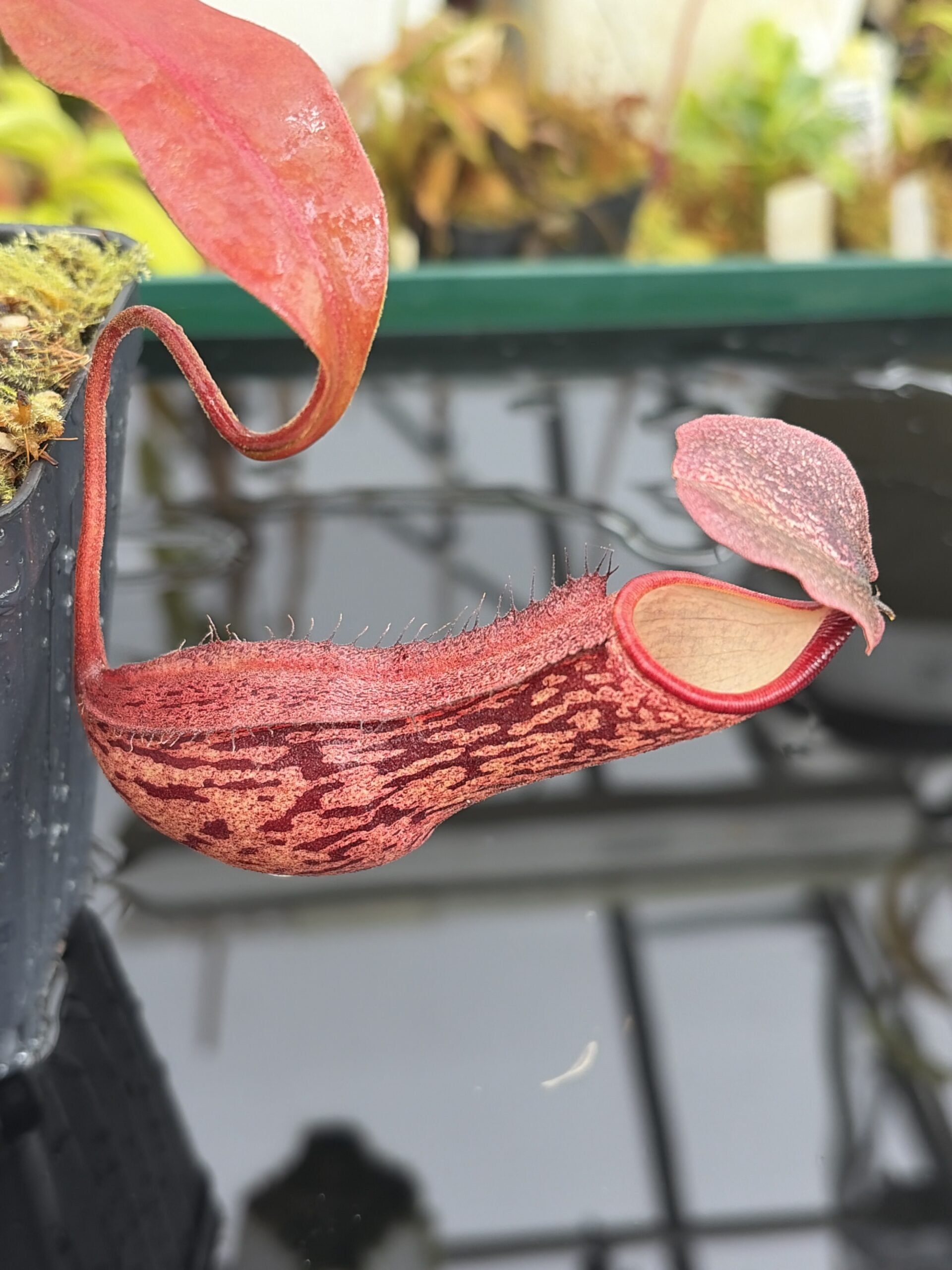
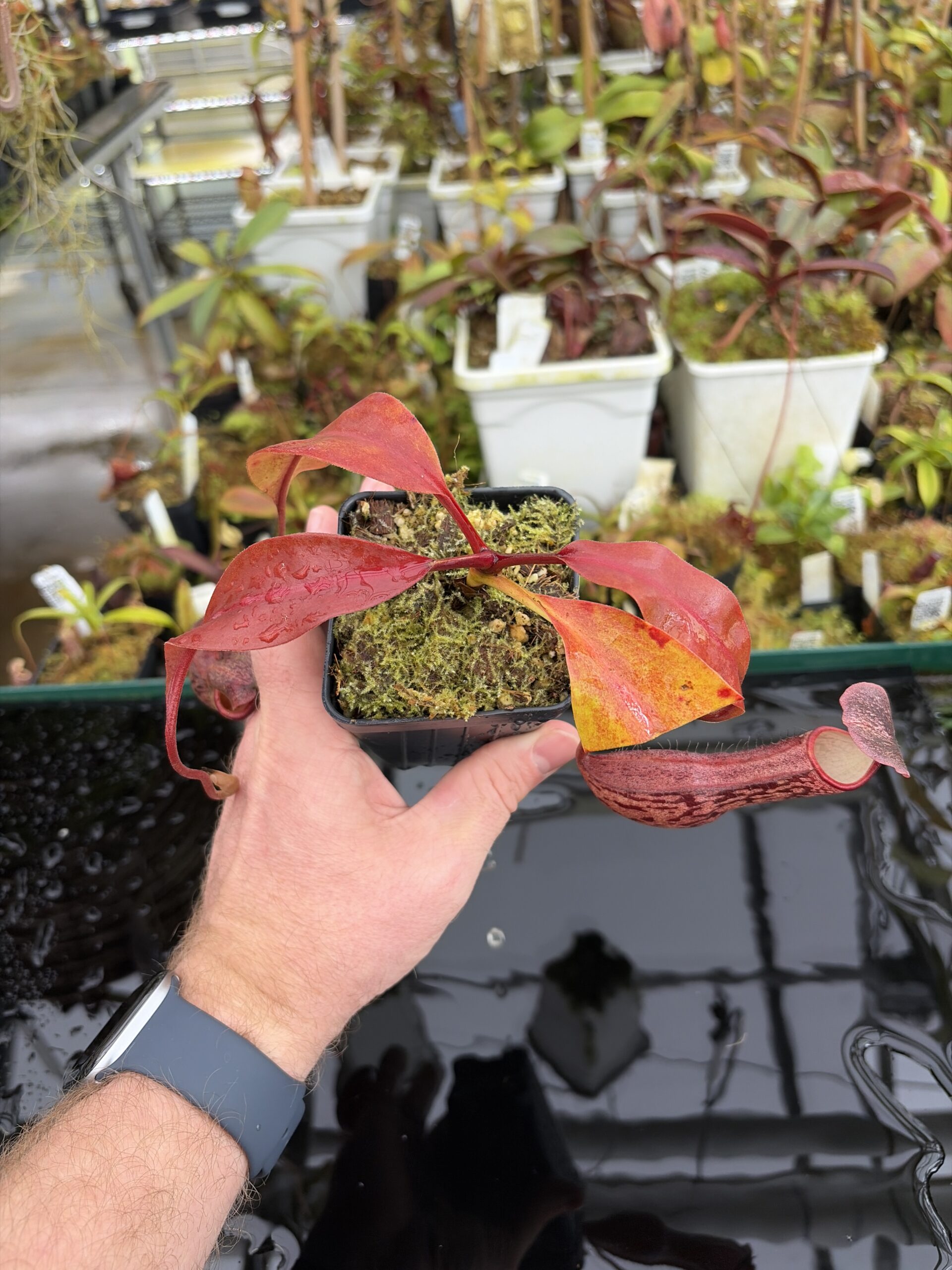
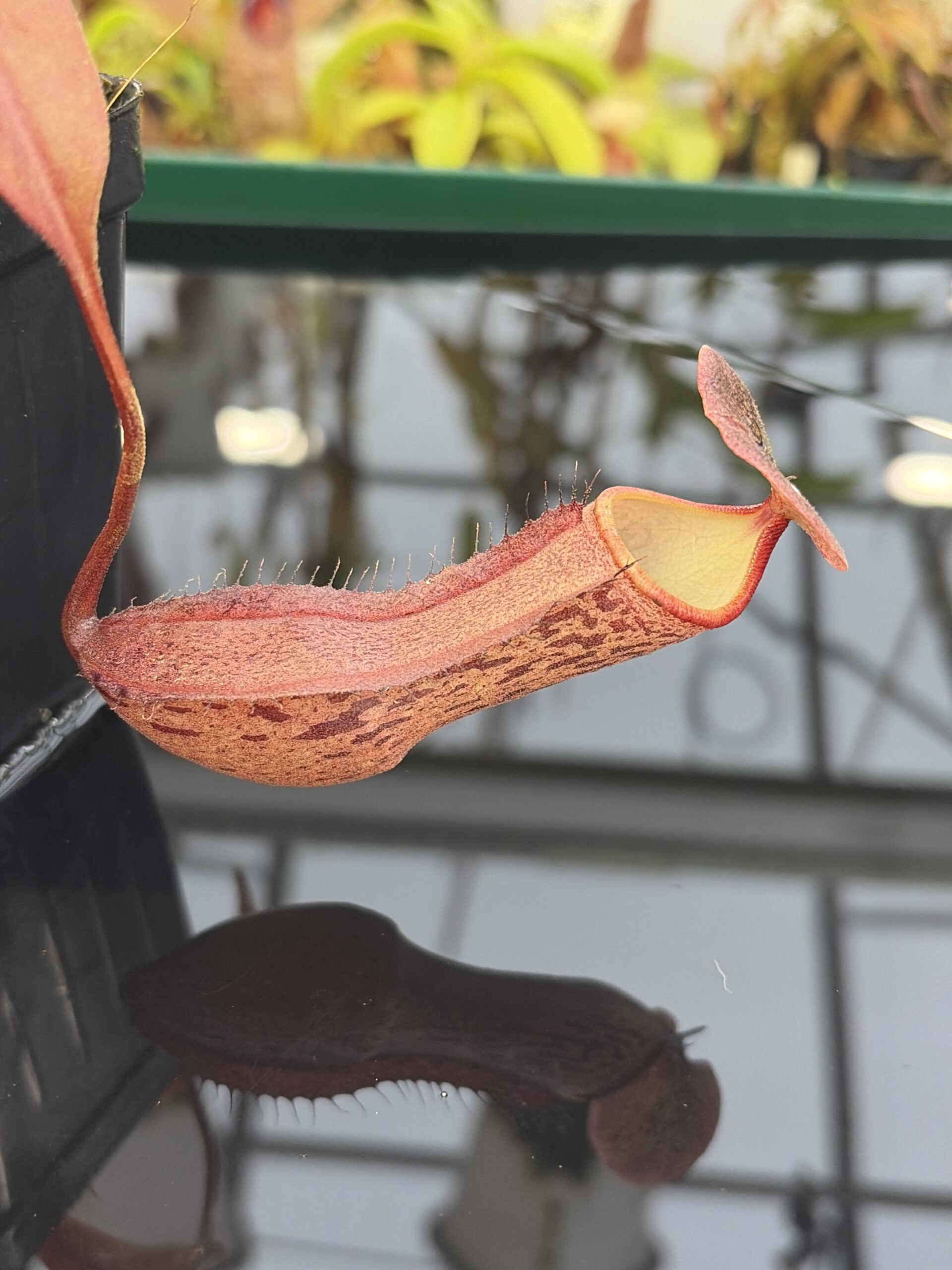
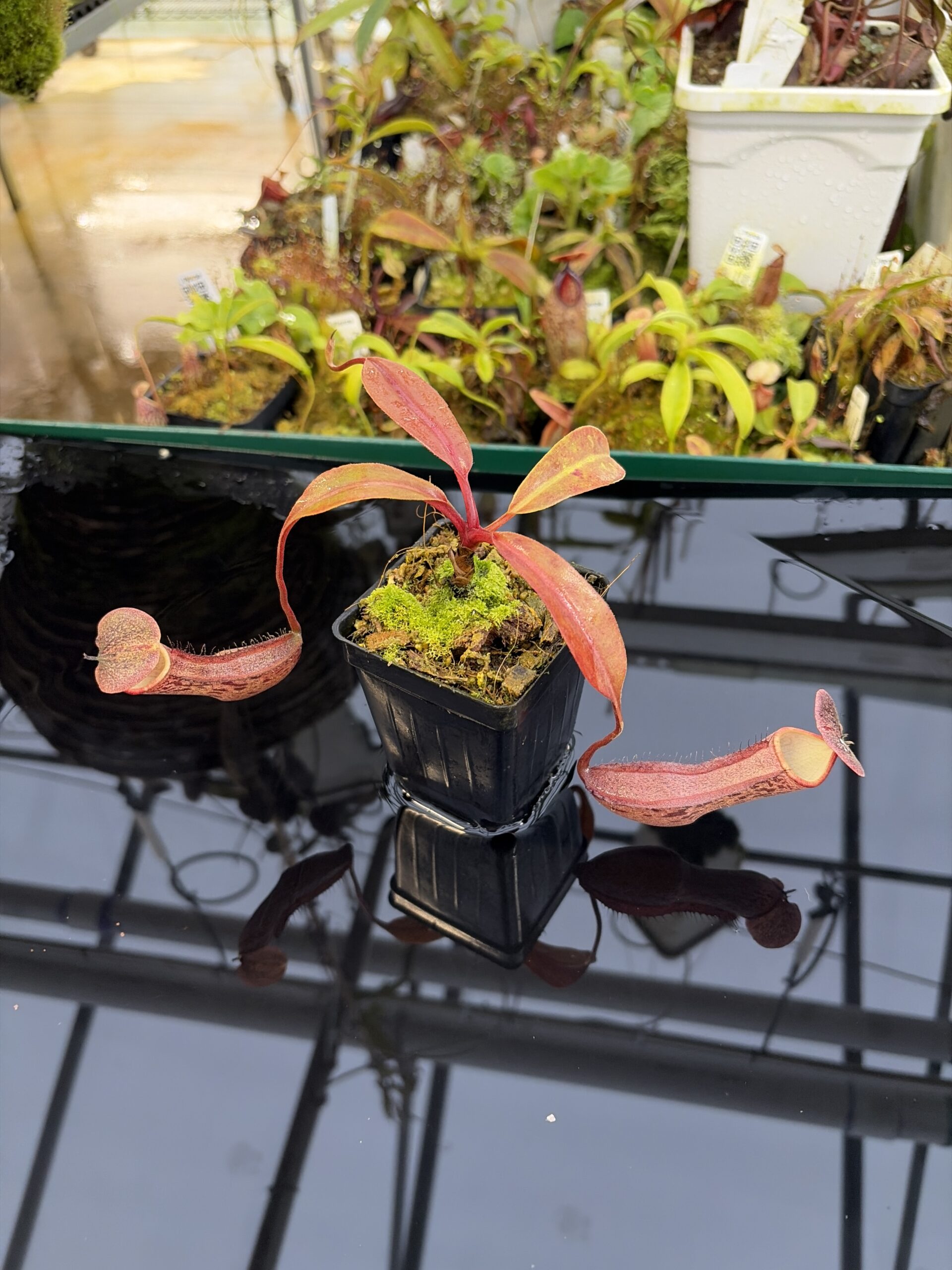
Nepenthes boschiana

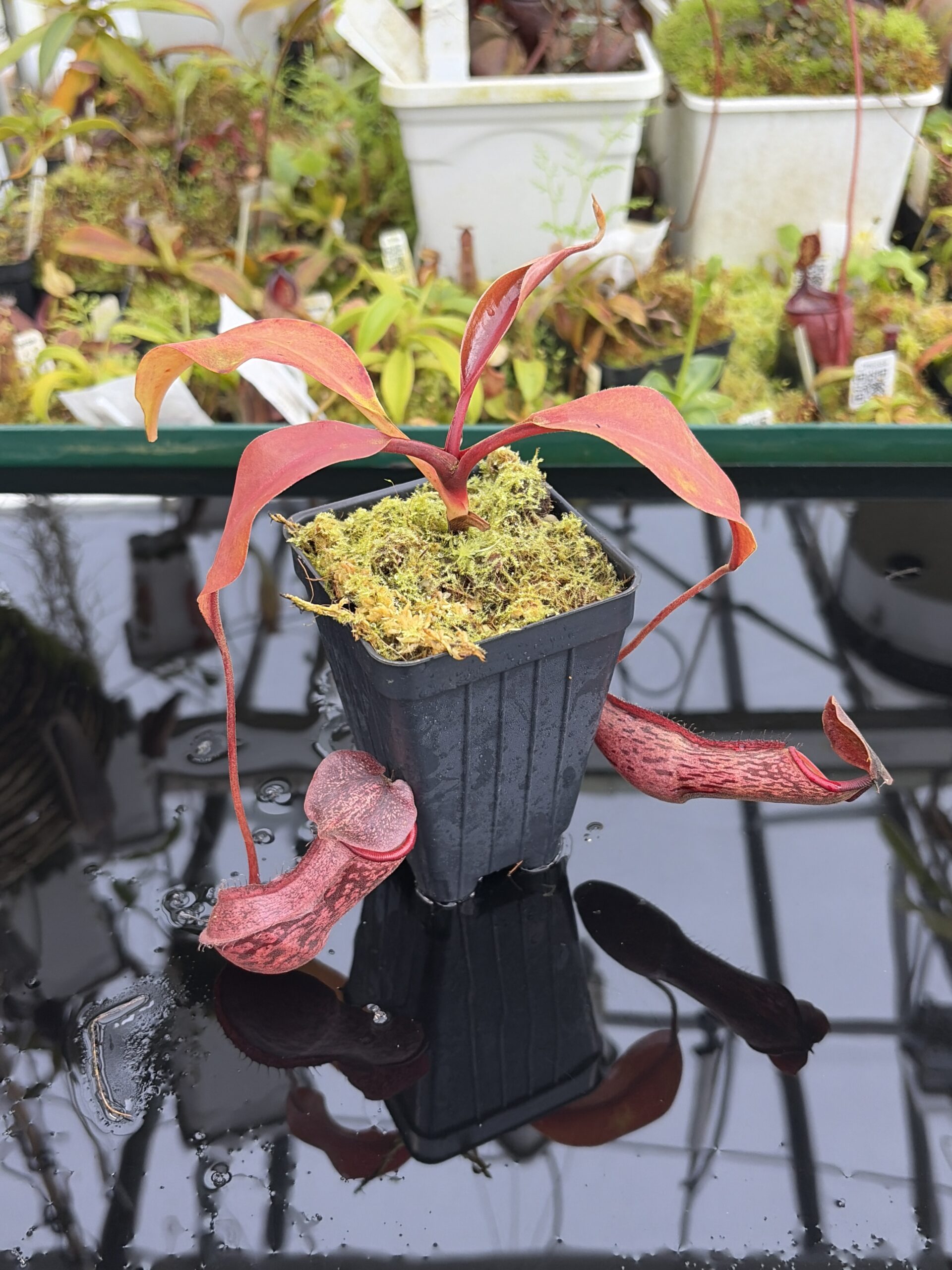
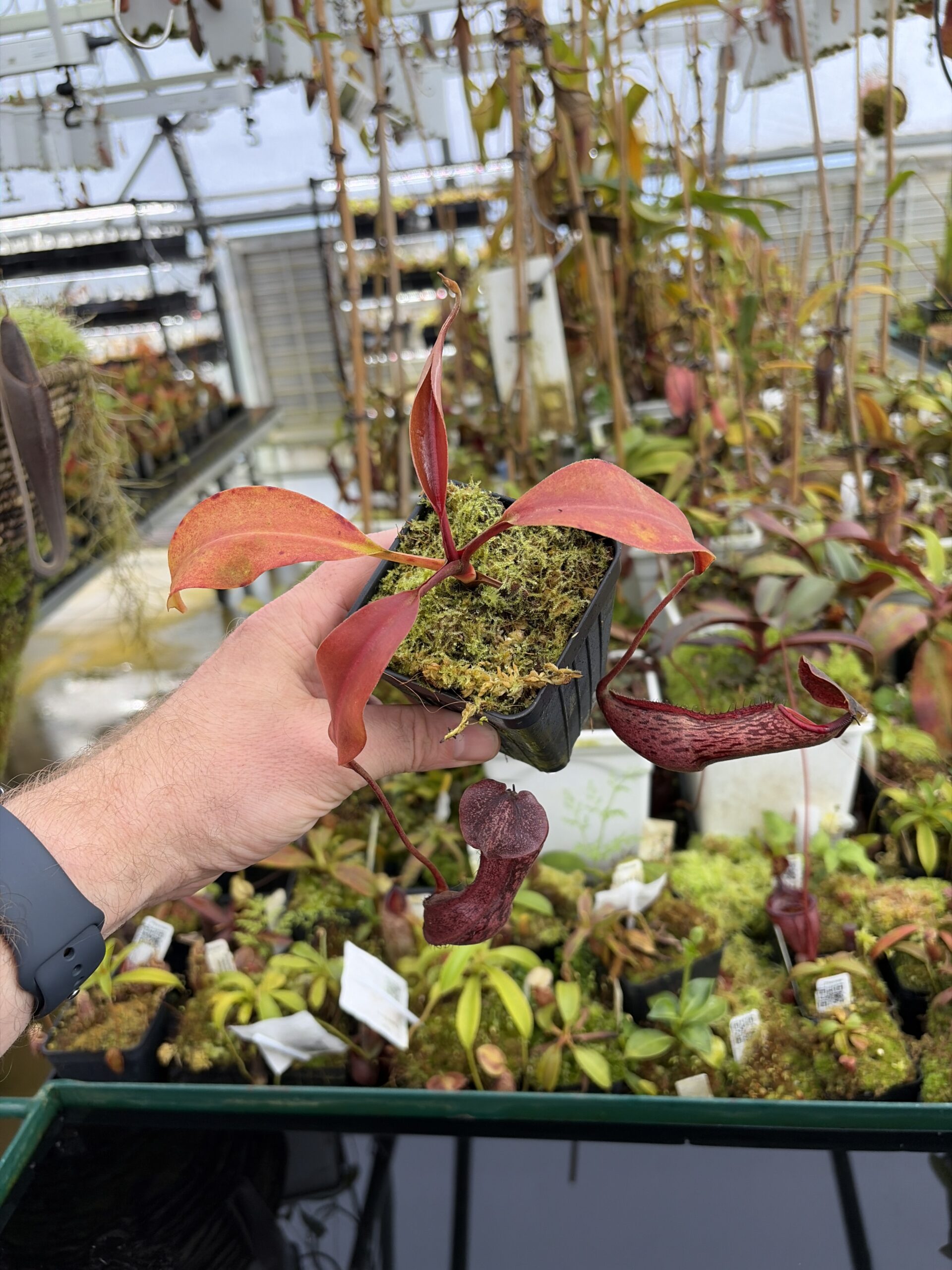
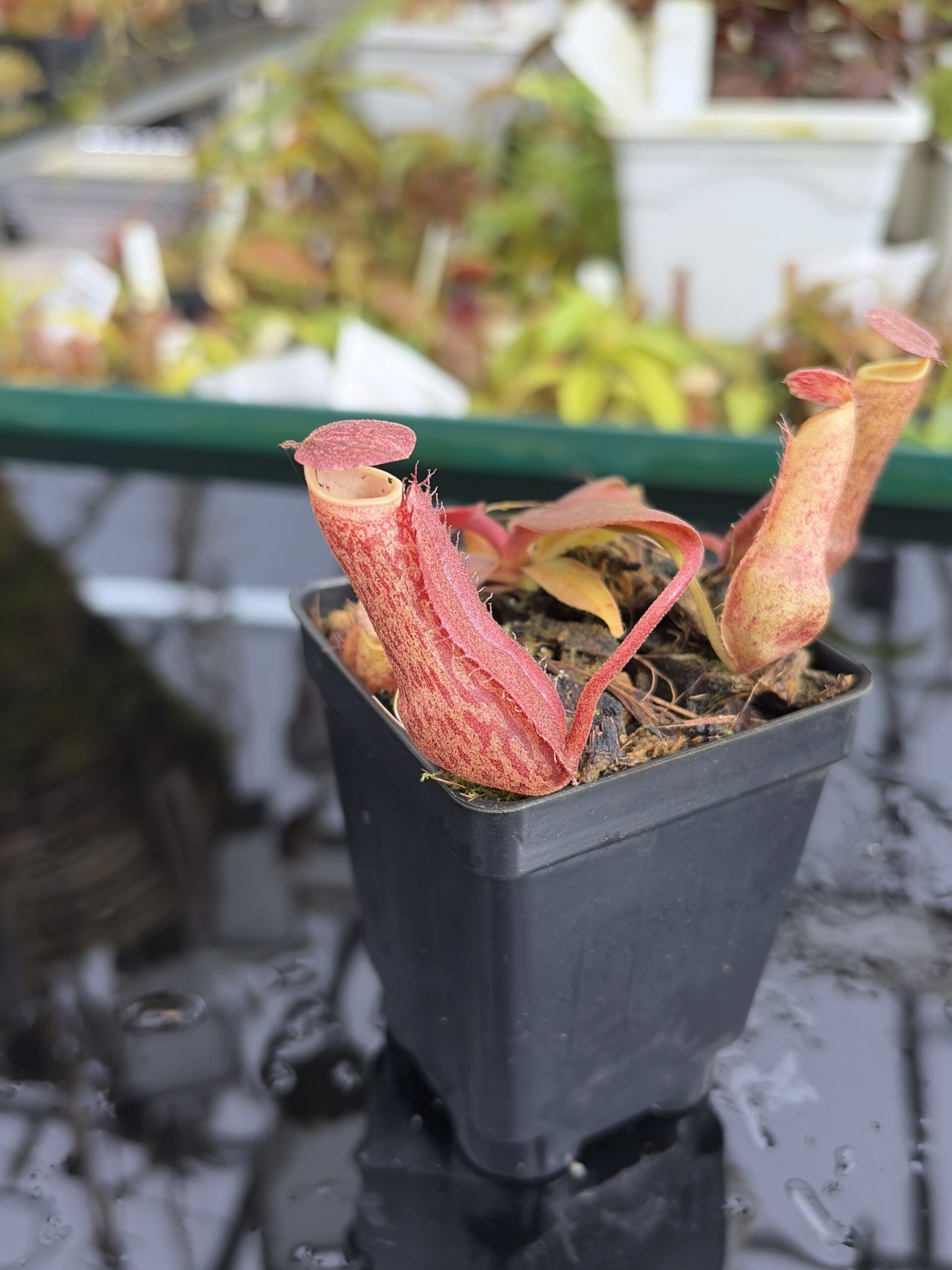
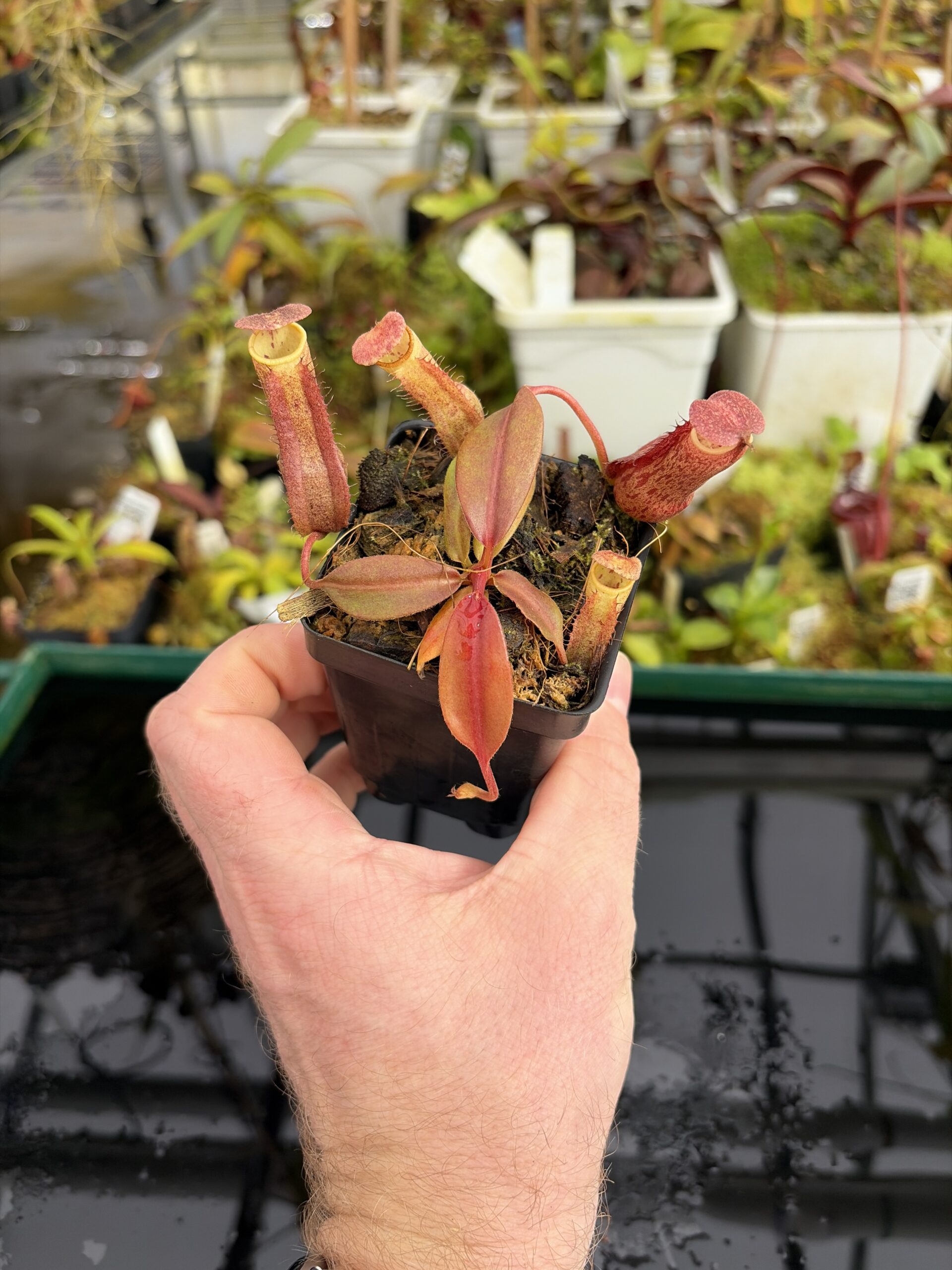
4 specimens in stock, $26.99 to $35.99. Each photo shows the exact plant you receive.

Nepenthes boschiana, specimen IN27472
Large · Borneo Exotics
Choose a specimen

$29.99

Size
Large
Locality
N/A
Breeder
Borneo Exotics
Producer code
BE-3643
Conditions
Intermediate
Propagation
Tissue Culture
Specimen
IN27472

Nepenthes boschiana

A Nepenthes of the Meratus Mountains in South Kalimantan, described by Korthals in 1839 and long used by local people, whose pitcher water treated sore eyes.

Nepenthes boschiana is endemic to the Meratus Mountains of South Kalimantan, in Indonesian Borneo, at about 1,200 to 1,800 m. Pieter Willem Korthals described it in 1839 in his monograph on the genus, and recorded its habitat on Mount Sakoembang as sterile, open and stony ground. The epithet honours Johannes van den Bosch. N. borneensis, described in 1989, is now treated as the same species. It is listed as Endangered.

The plant has a long human history. Korthals recorded that local people collected unopened pitchers for the fluid inside, which they used as a remedy for inflamed eyes, and cut open pitchers as toys for children. The local name translates as blow-pipe leaf. Botanically it belongs to the loosely defined N. maxima complex, and its closest relative is N. faizaliana. The upper pitchers can be very large, and no natural hybrids are known.

Specimens available now

Learn more about this plant

Breeders

Borneo Exotics

The Nepenthes nursery in Sri Lanka that Rob Cantley founded in 1997.

Borneo Exotics is a Nepenthes nursery in the central highlands of Sri Lanka. Rob Cantley founded it in 1997, and he runs it with his wife and business partner, Diana. It built its own tissue culture laboratory because cuttings proved inconsistent and prone to disease, and it now offers micropropagation services to breeders and nurseries around the world.

Its plants are sold under BE numbers, and other sellers keep those numbers on their listings. Cantley also found a new species in January 1997, on a trip to Mindanao to look for N. truncata seed. It was described in 2011 as N. robcantleyi in his honor, and nearly all plants in cultivation descend from a small batch of seedlings from that one trip.

Care

Growing intermediate Nepenthes

Warm days, mild nights and high humidity: forgiving conditions that suit hybrids with both highland and lowland parents.

Intermediate Nepenthes sit between the cool highland and the warm lowland plants, and many hybrids with parents from both are happiest here. Aim for days about 70 to 80 F (21 to 27 C) and nights about 55 to 65 F (13 to 18 C), with humidity above 70 percent, bright filtered light and good airflow. A modest drop at night helps, but these plants tolerate more warmth than strict highlanders.

Use an open mix that drains fast, such as long-fiber sphagnum with perlite or bark, and keep it evenly moist with pure water (rain, distilled or reverse osmosis).

Give larger plants room to climb or trail as they mature. The pitchers feed the plant; fertilizer, if any, should be light and occasional.