
Cephalotus follicularis
The only species in its family: a small, lidded pitcher plant from the peaty swamps and creek banks of far southwestern Western Australia.
Cephalotus follicularis is endemic to a coastal strip of about 400 km in the southwest corner of Western Australia, between Augusta and Cape Riche, northeast of Albany. It grows in moist, peaty sand in swamps and along creeks and riverbanks, often in sphagnum cushions on acidic peat over granite. Robert Brown's expedition collected it at King George Sound in 1801 to 1802, and Labillardière published it in 1806, first placing it in the rose family by mistake. It is the only species in its genus and the only member of the family Cephalotaceae, now placed in the order Oxalidales.
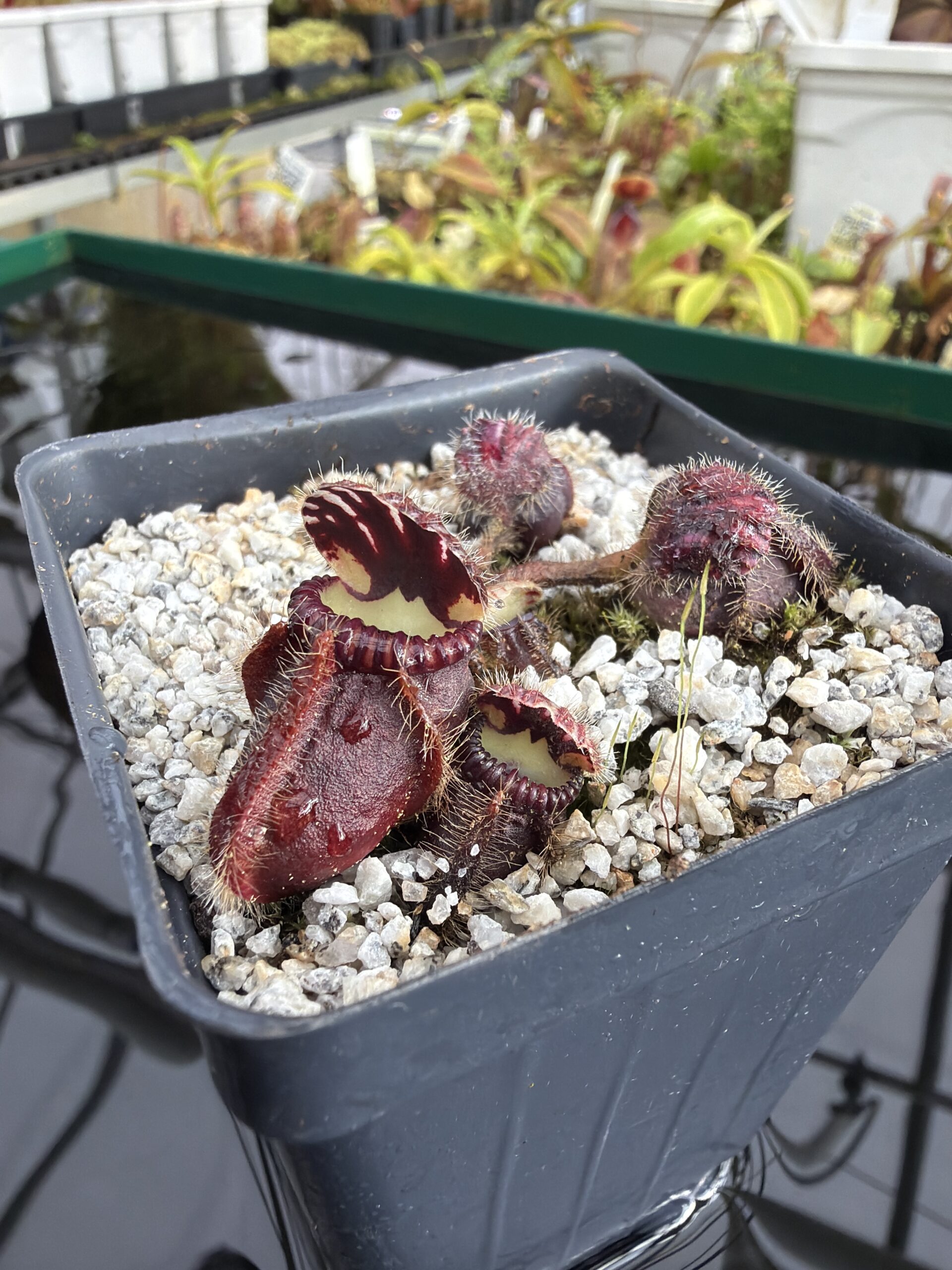
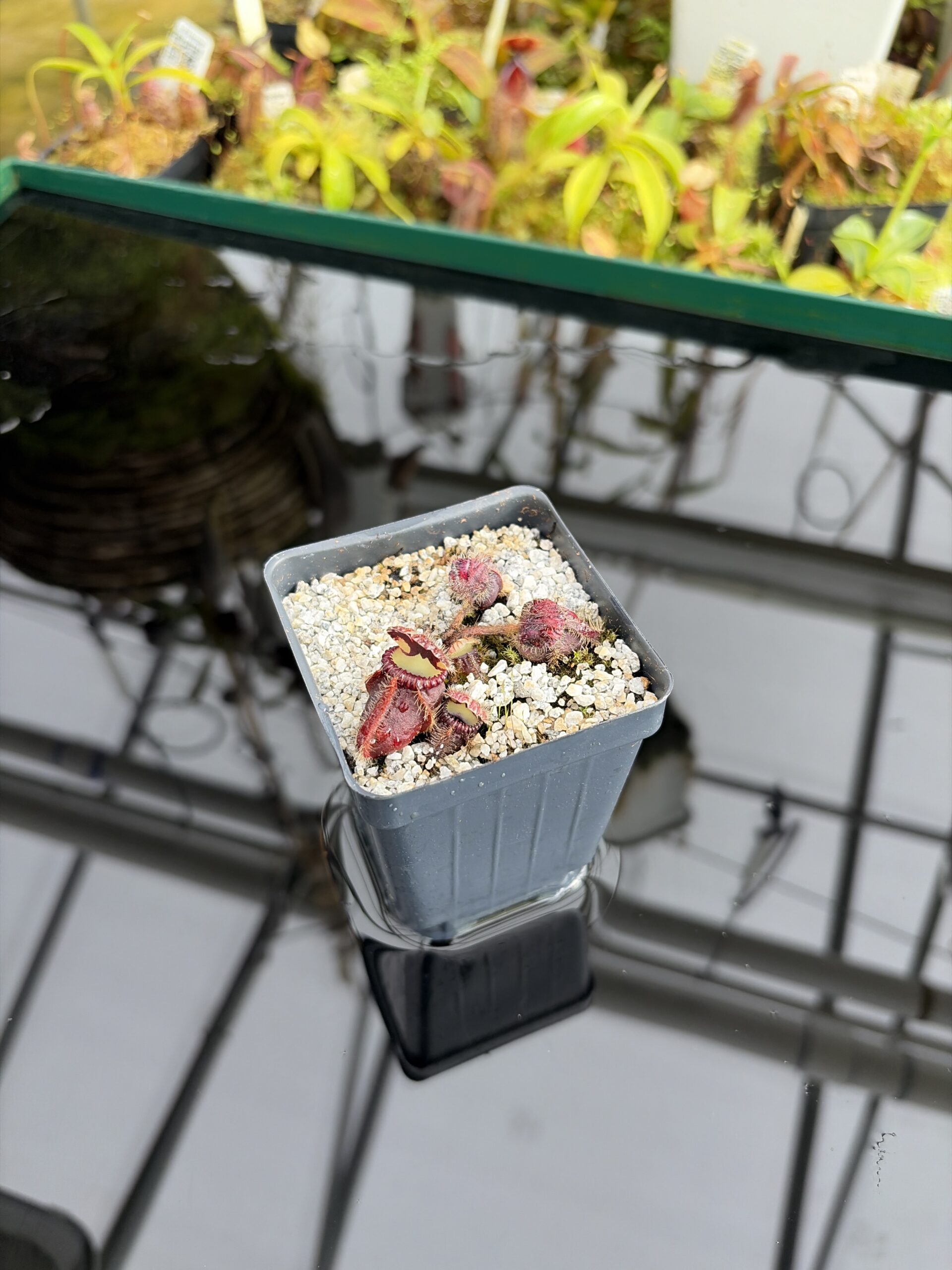
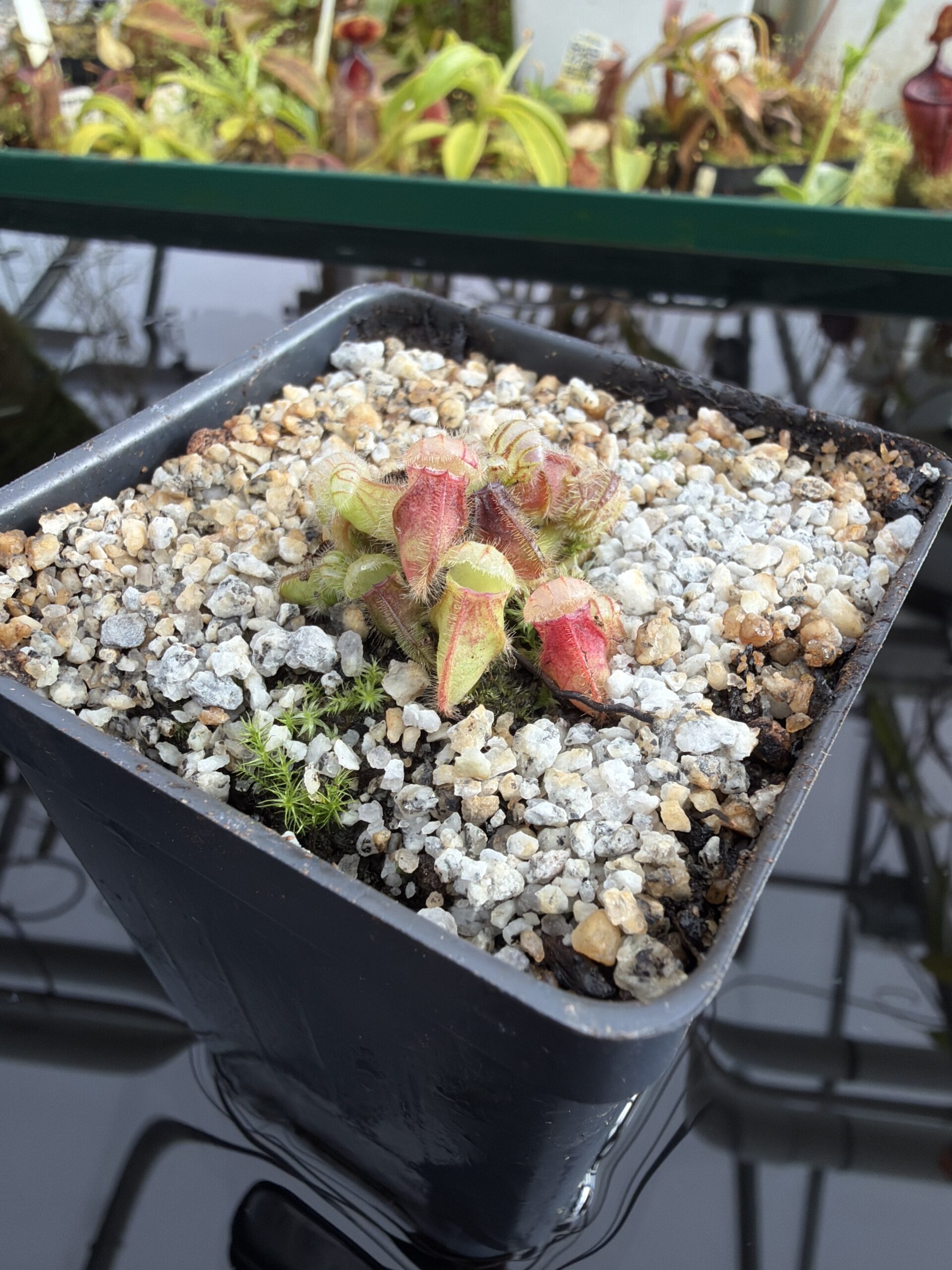
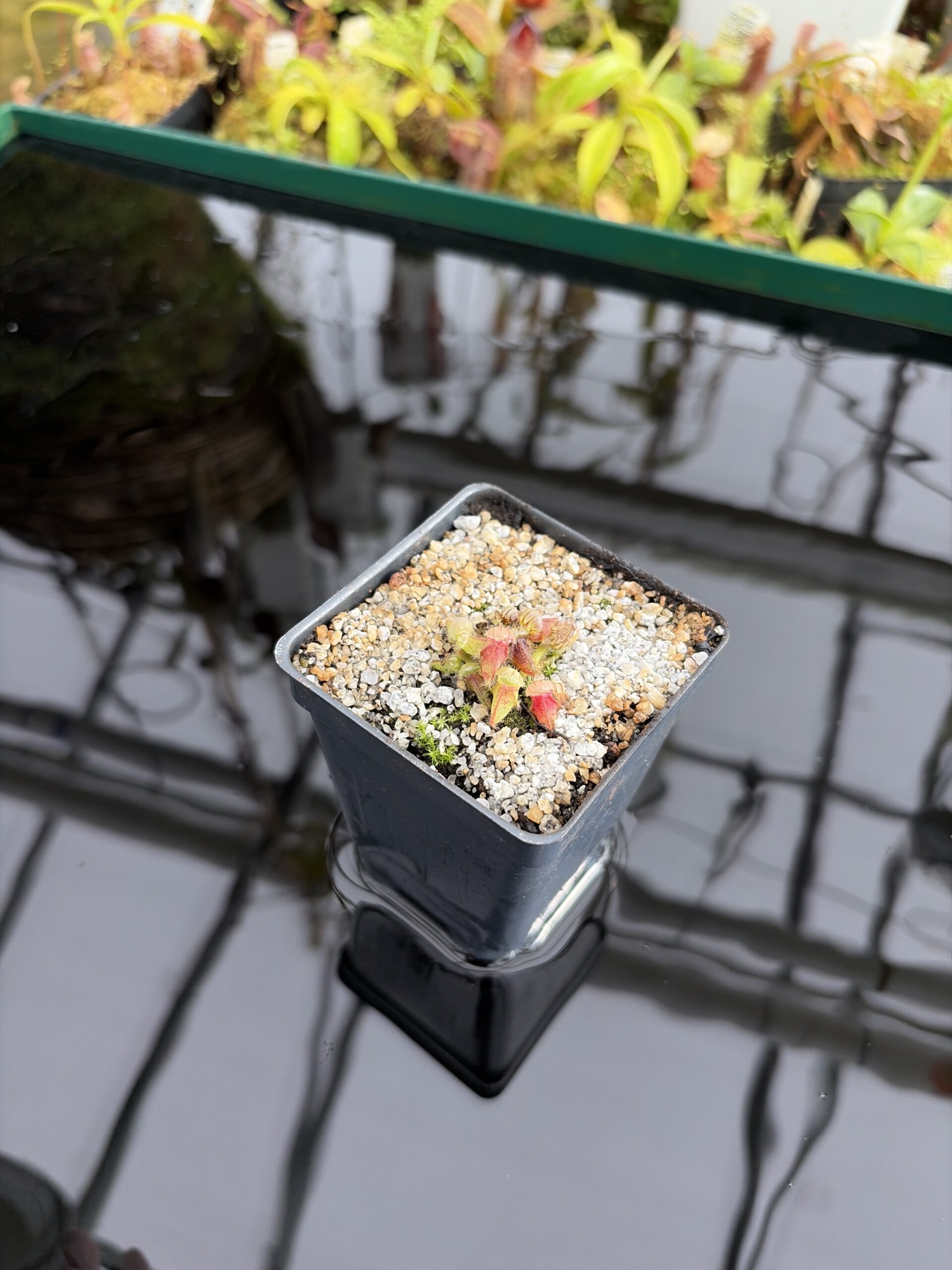
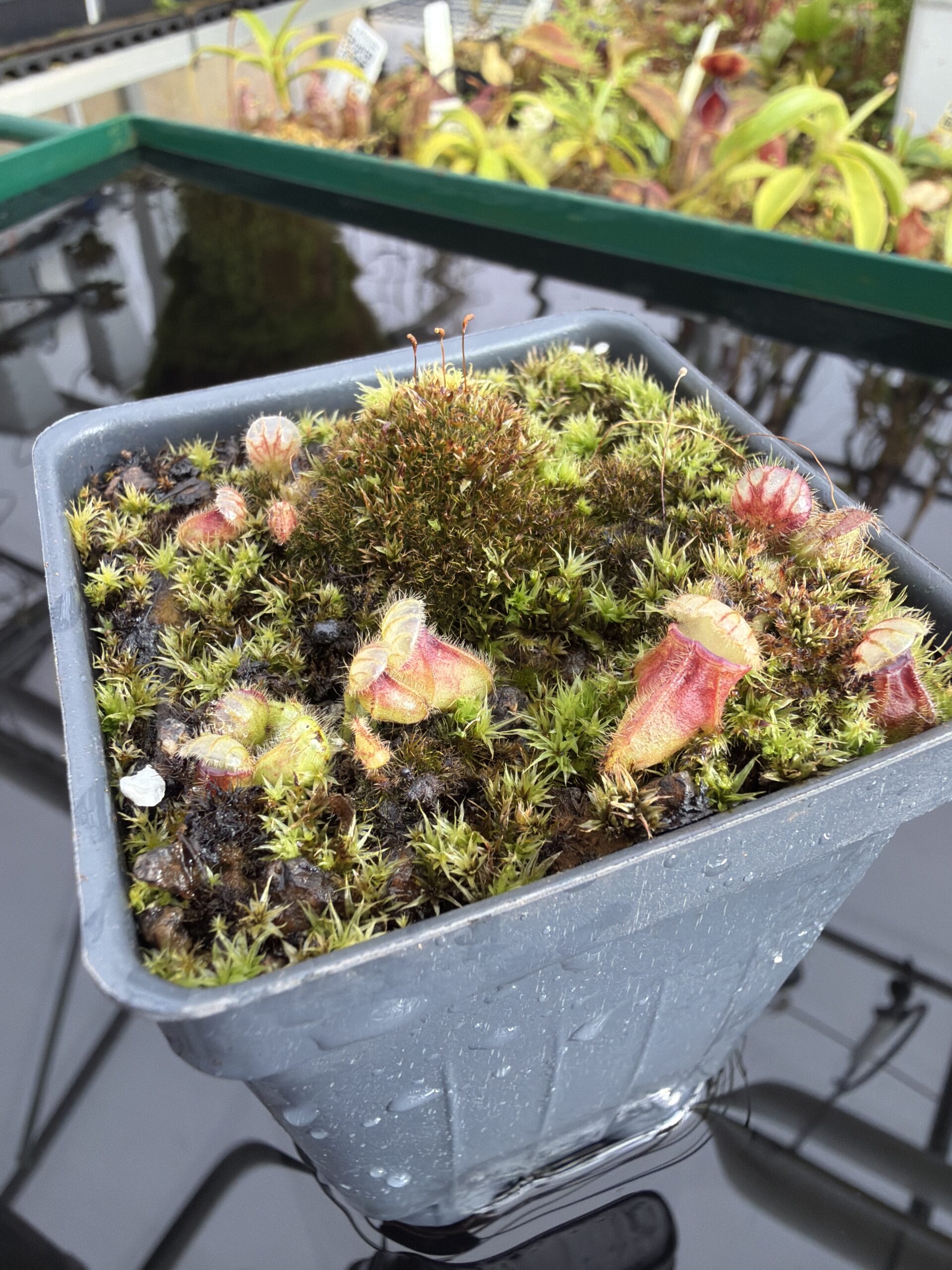
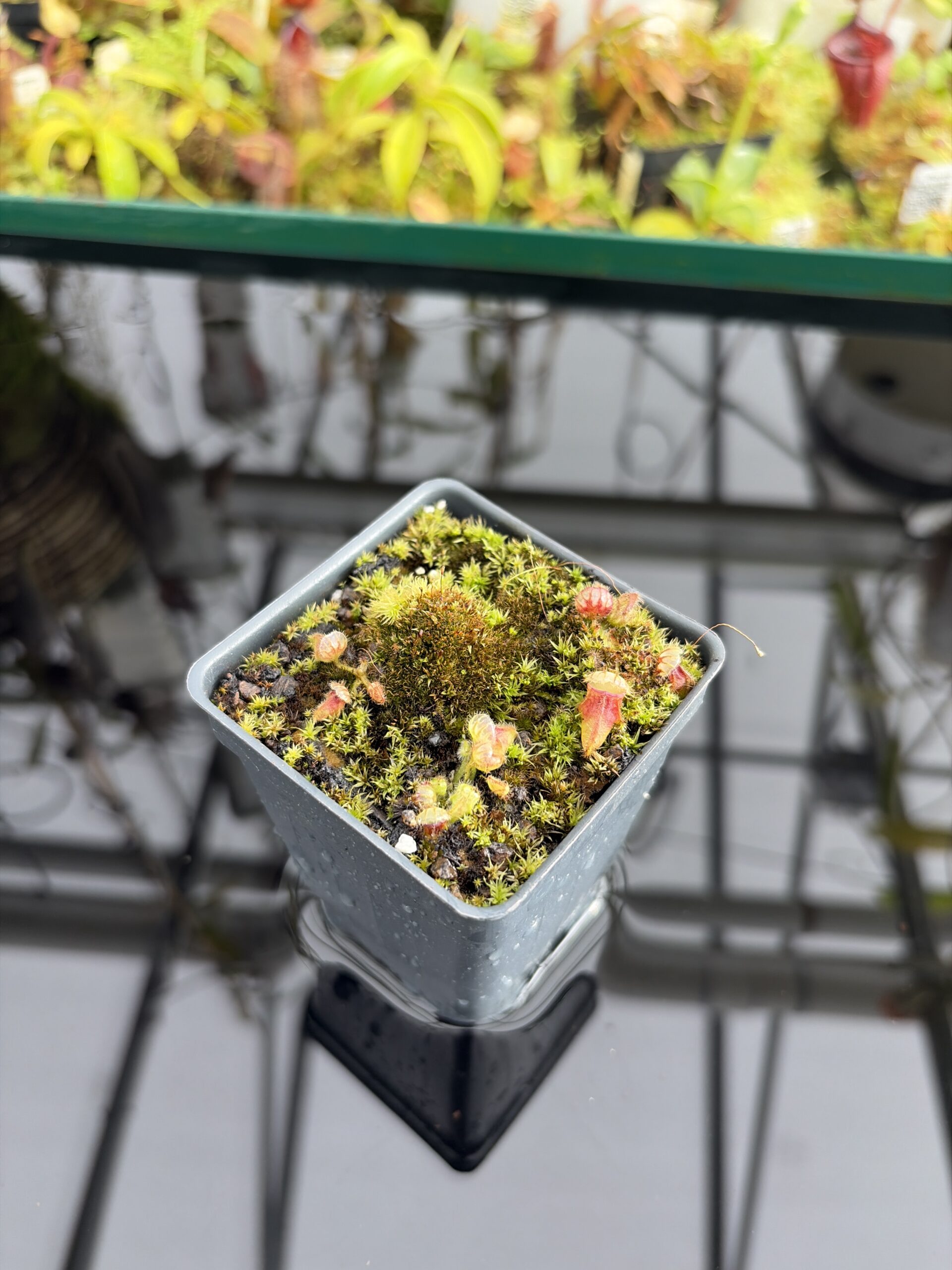
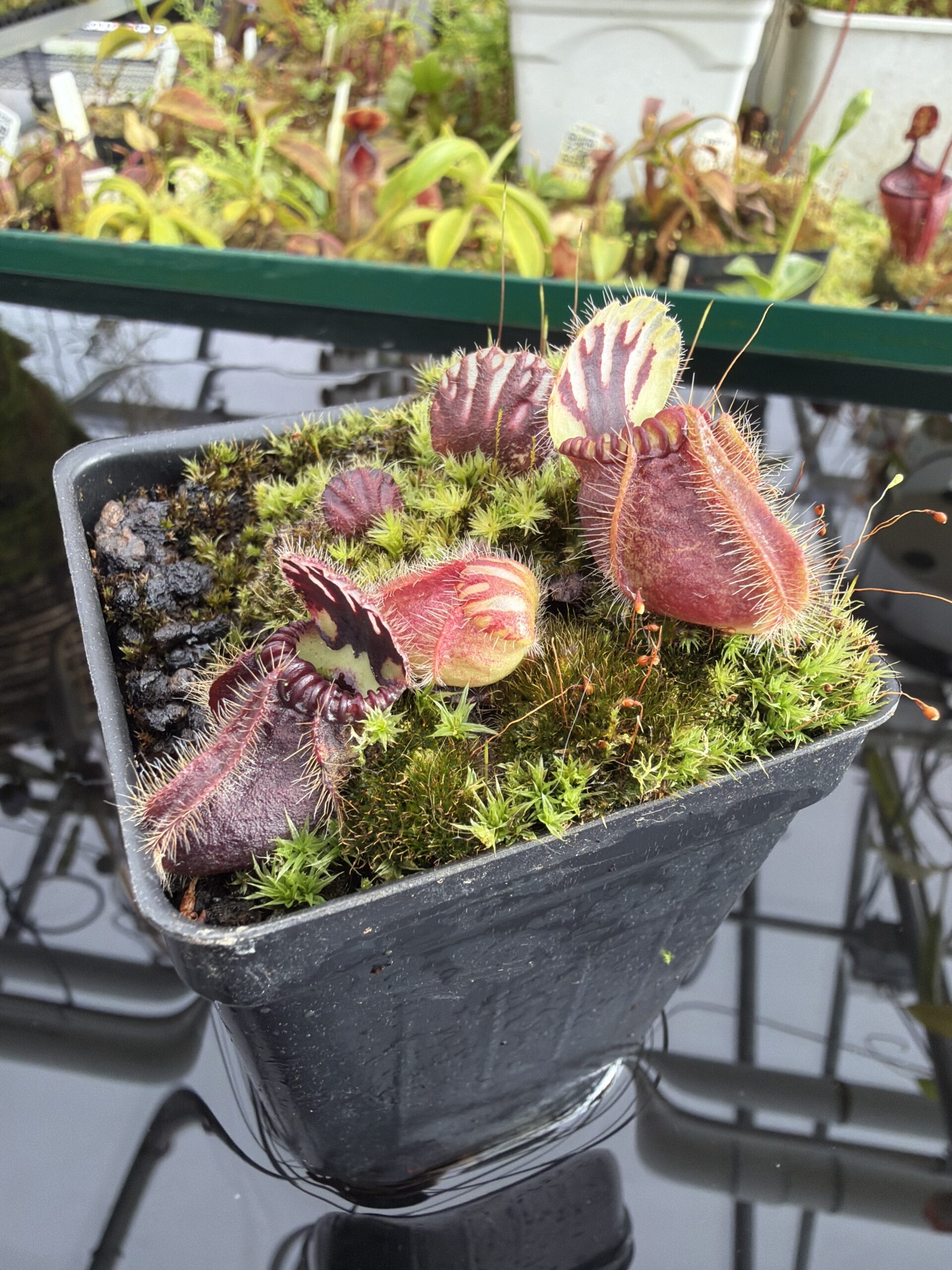
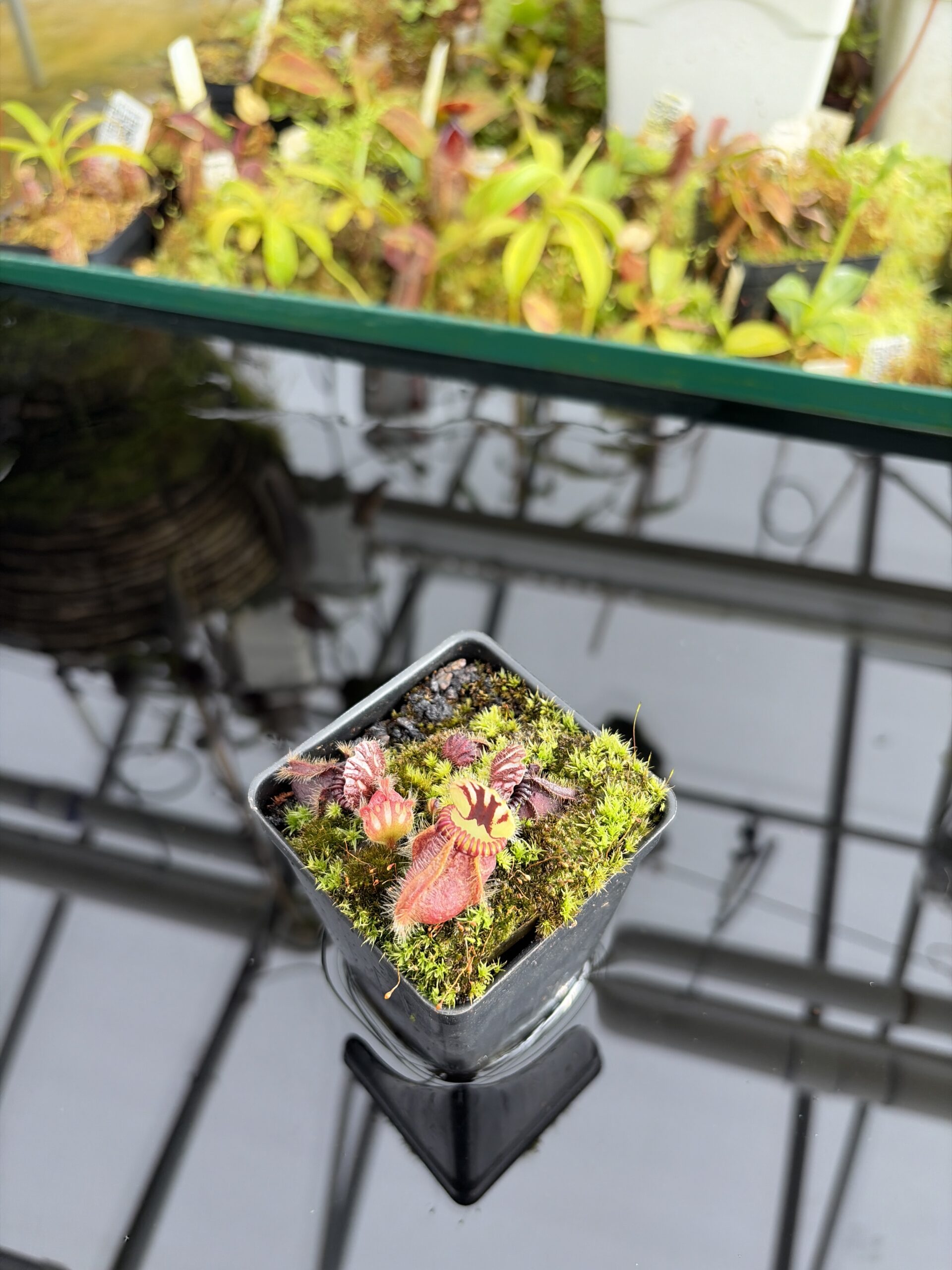
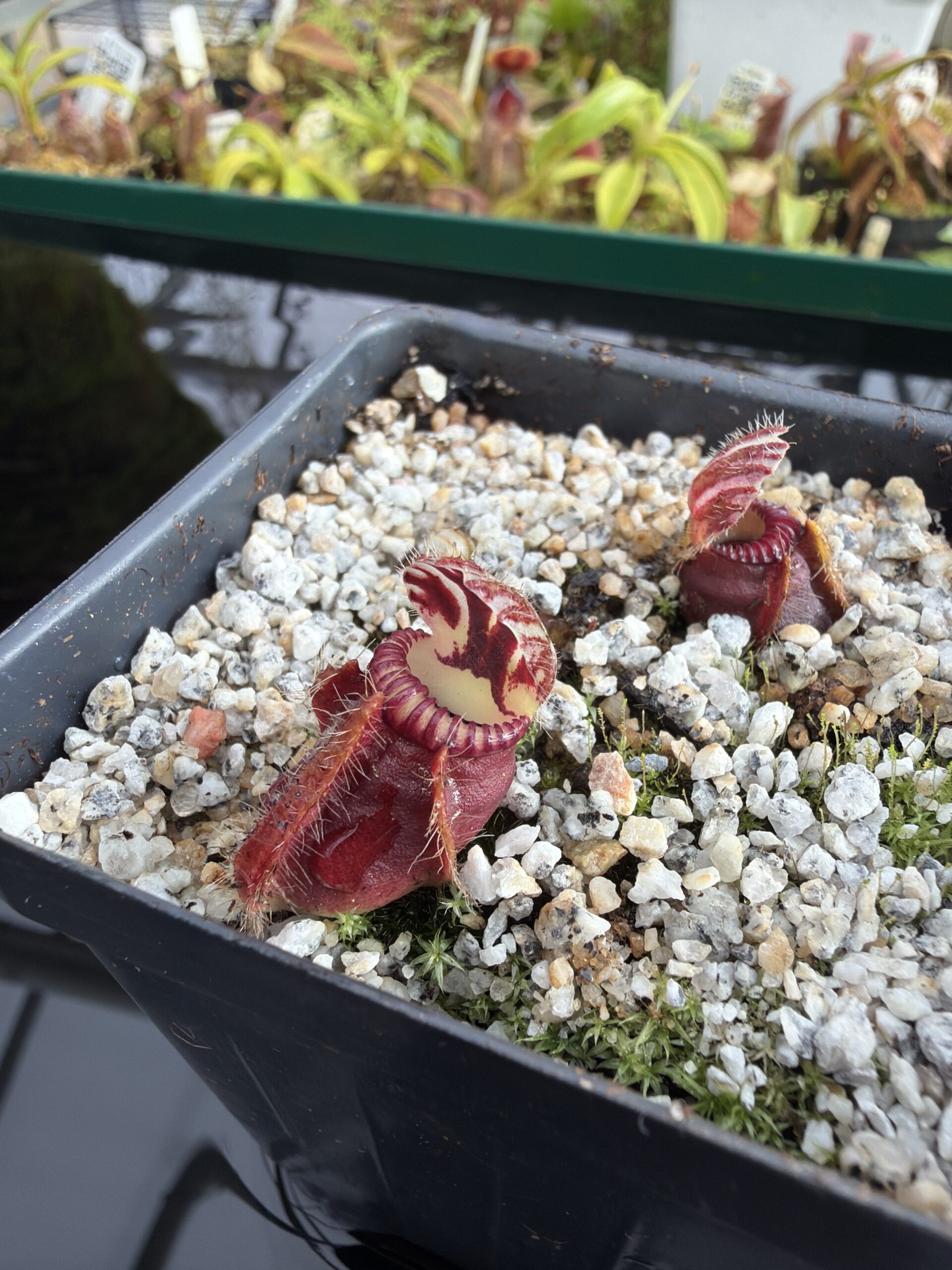
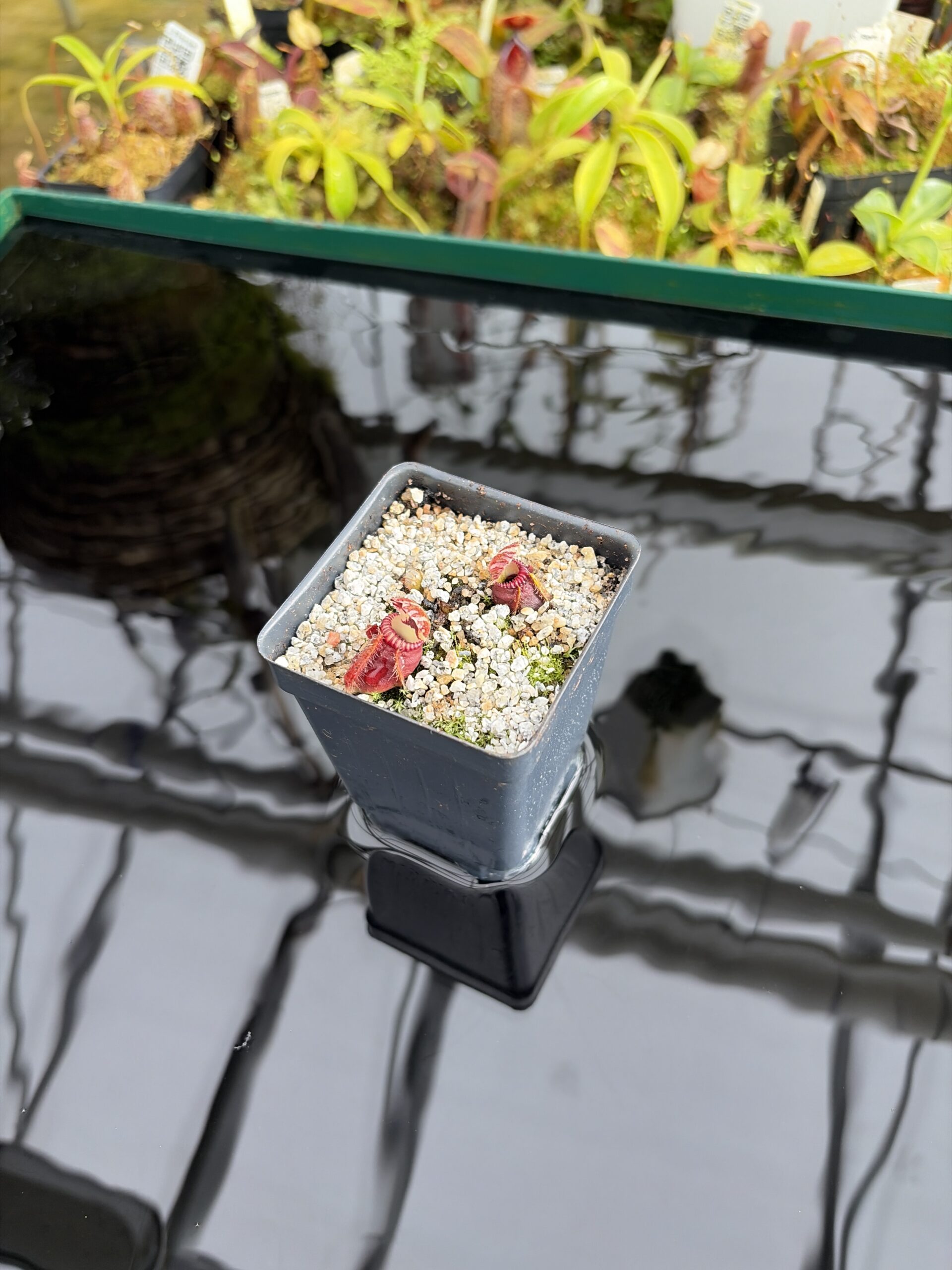
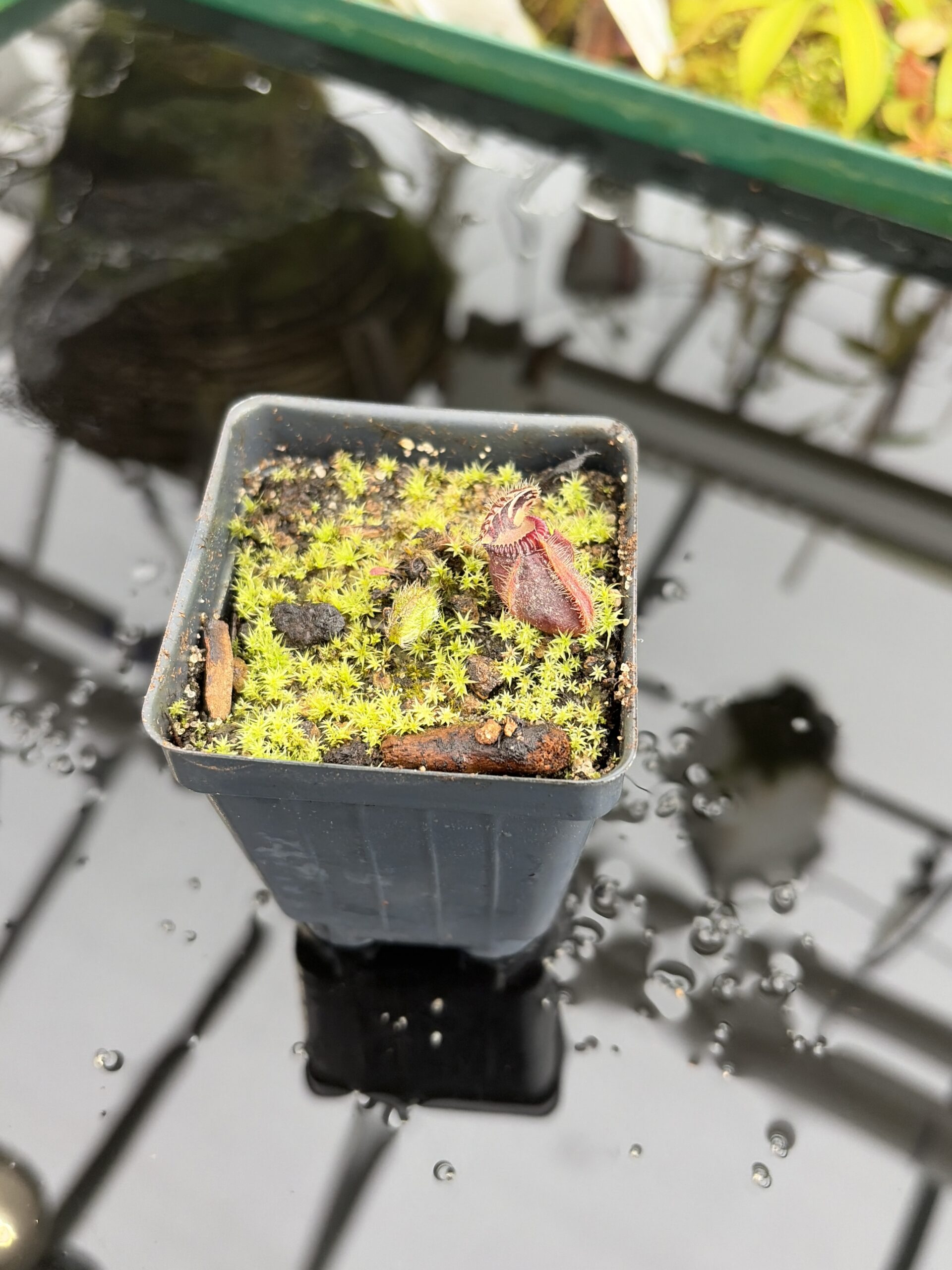
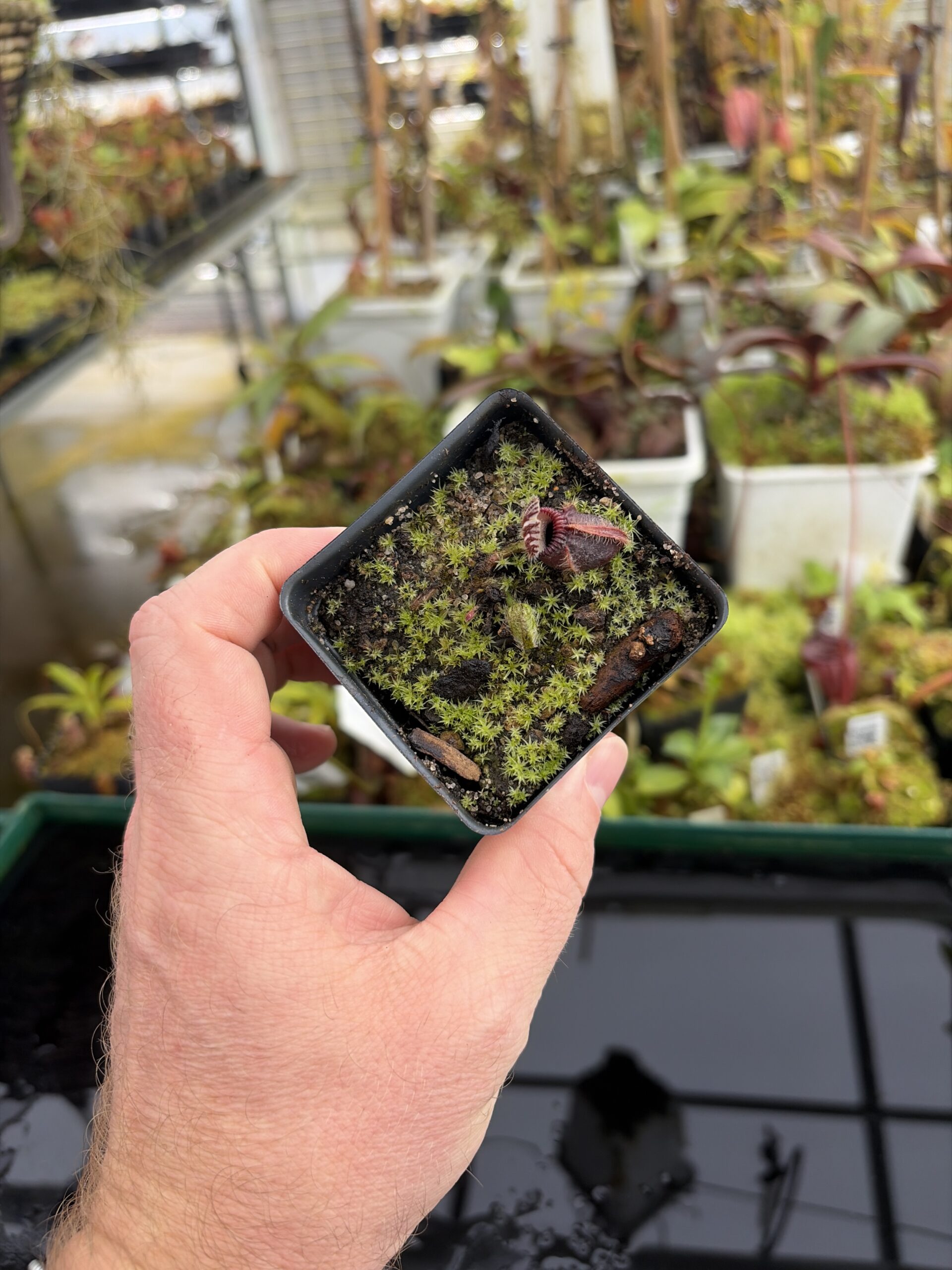
The pitchers are small, around 5 cm, with a lid that grows from the leaf stalk and shields the mouth from rain. Translucent, window-like patches in the lid are thought to mislead insects. The rim carries inward-pointing teeth above a smooth, slippery inner wall. In strong light the pitchers color deep red; in shade they stay green. The plant also makes flat, thick, glossy leaves that do not trap, and it produces the two leaf types in different seasons. Follicularis refers to the small, sack-like form of the pitchers.