
Cephalotus follicularis

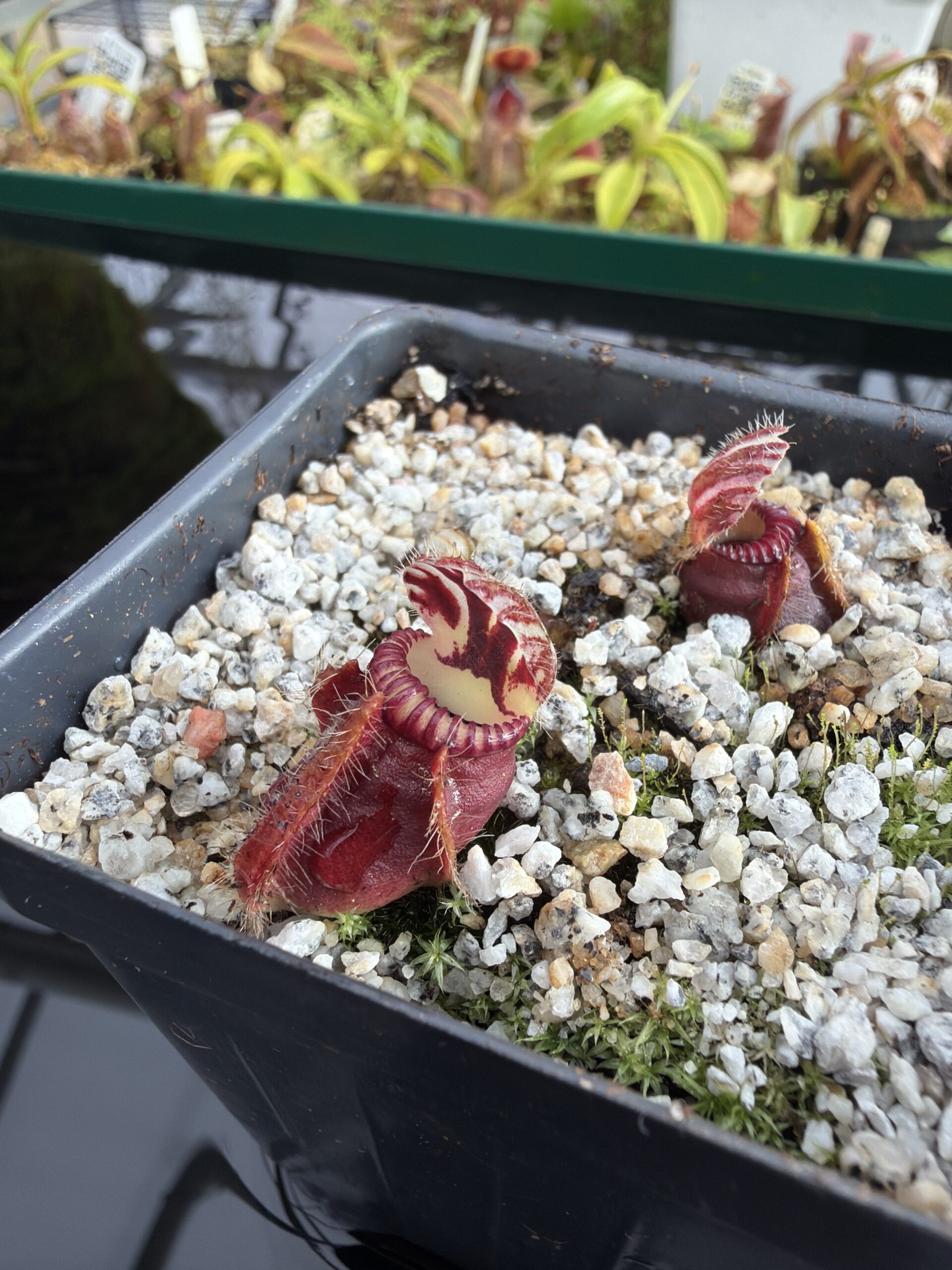
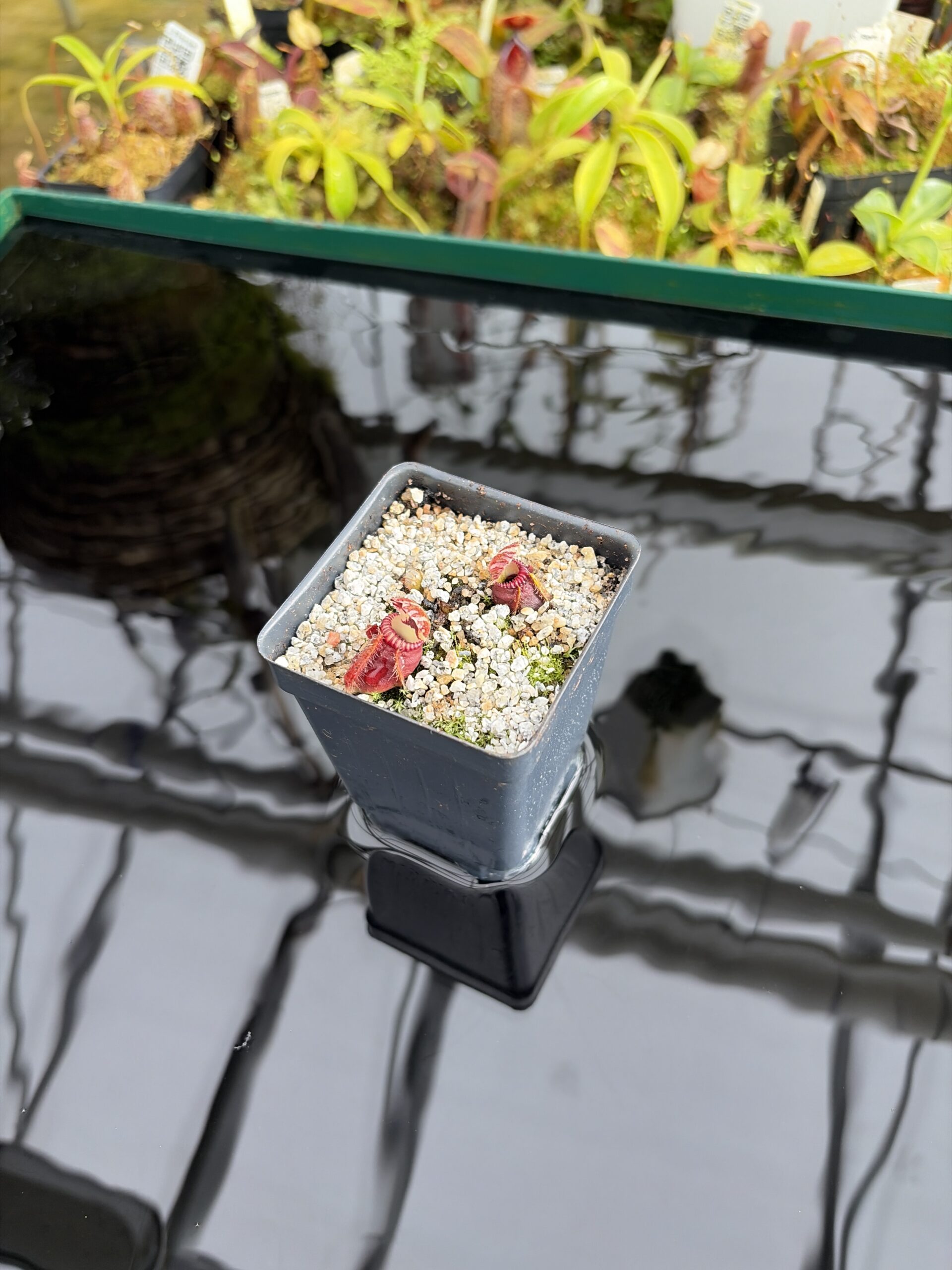
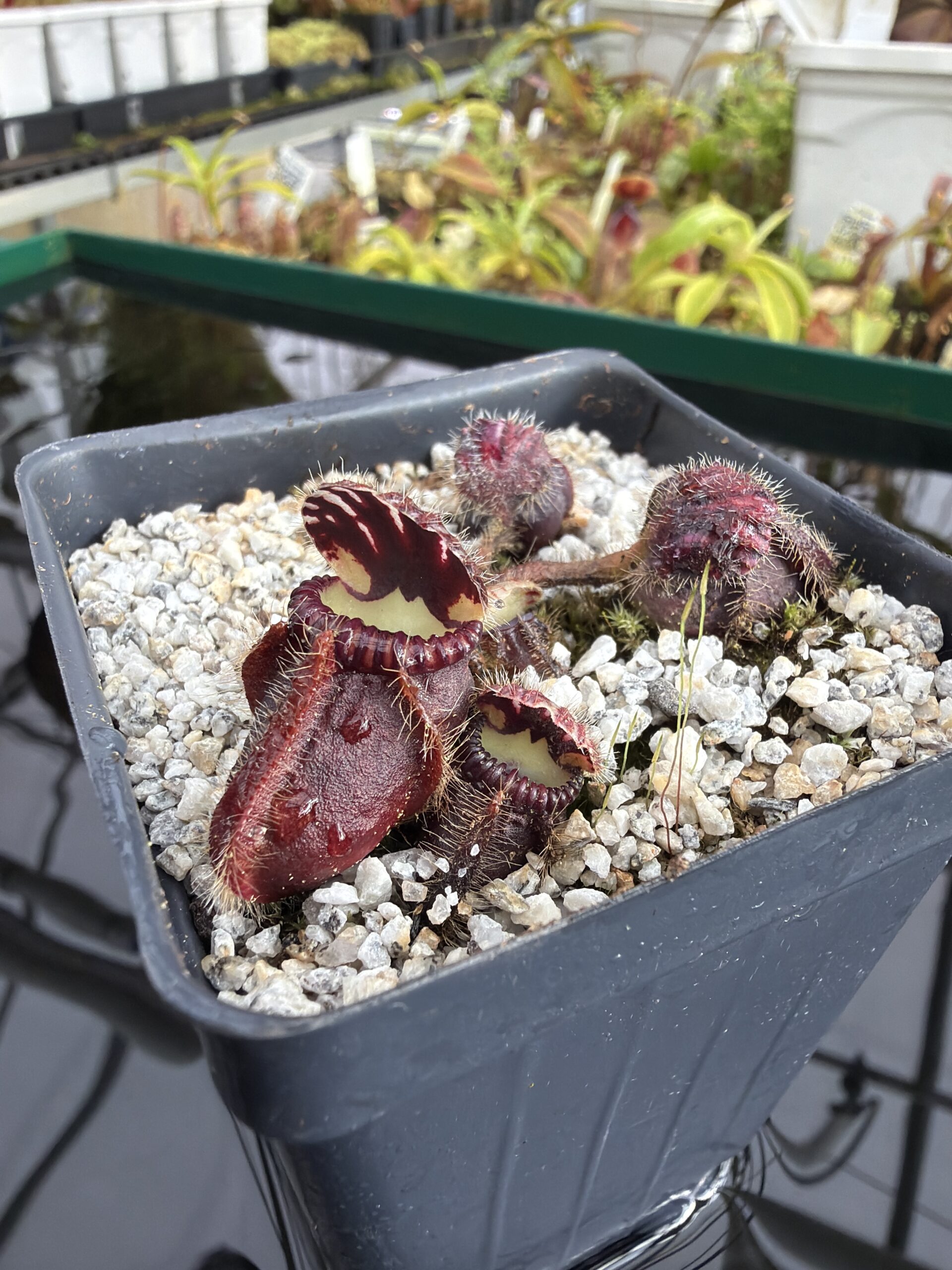
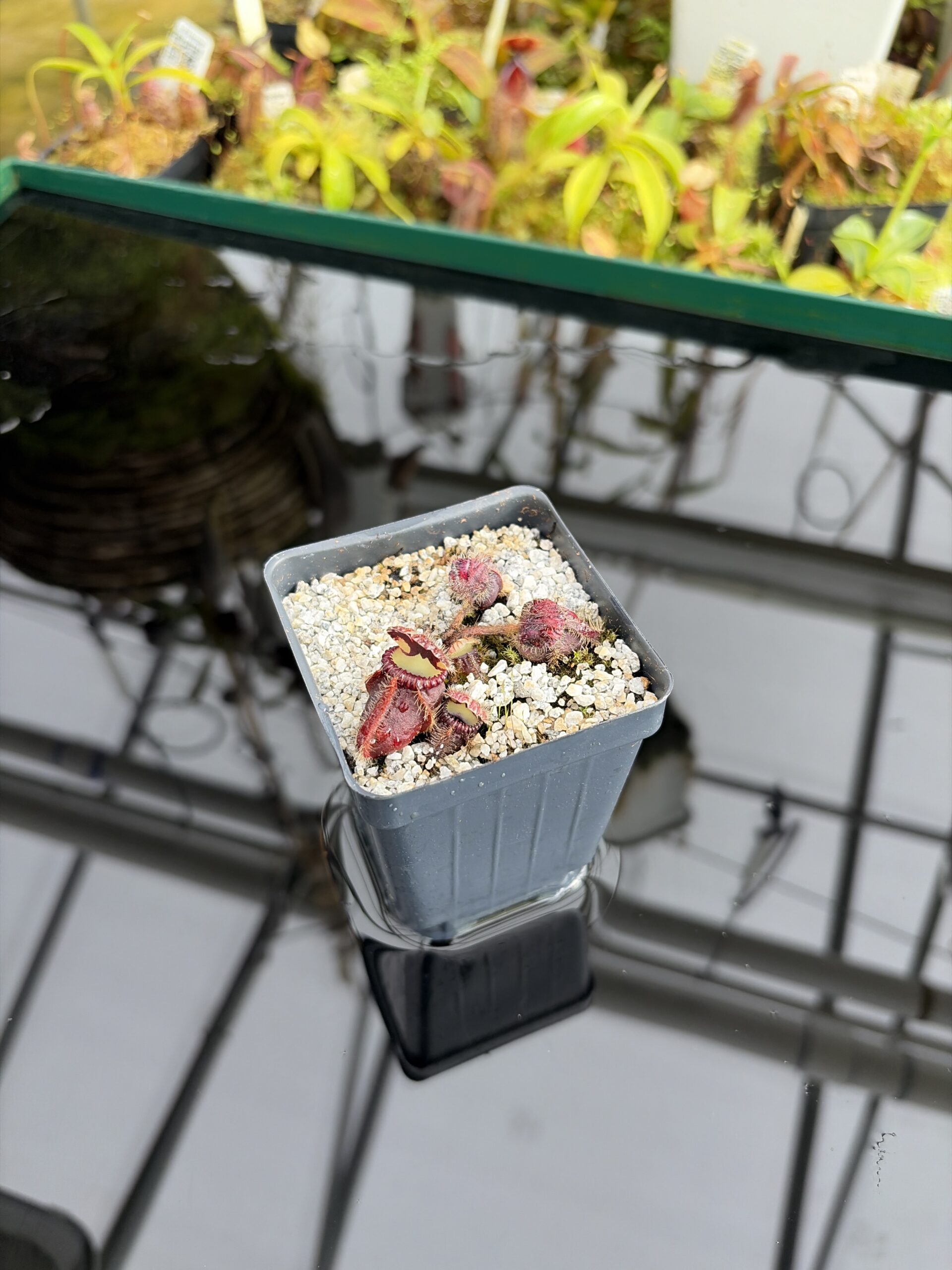
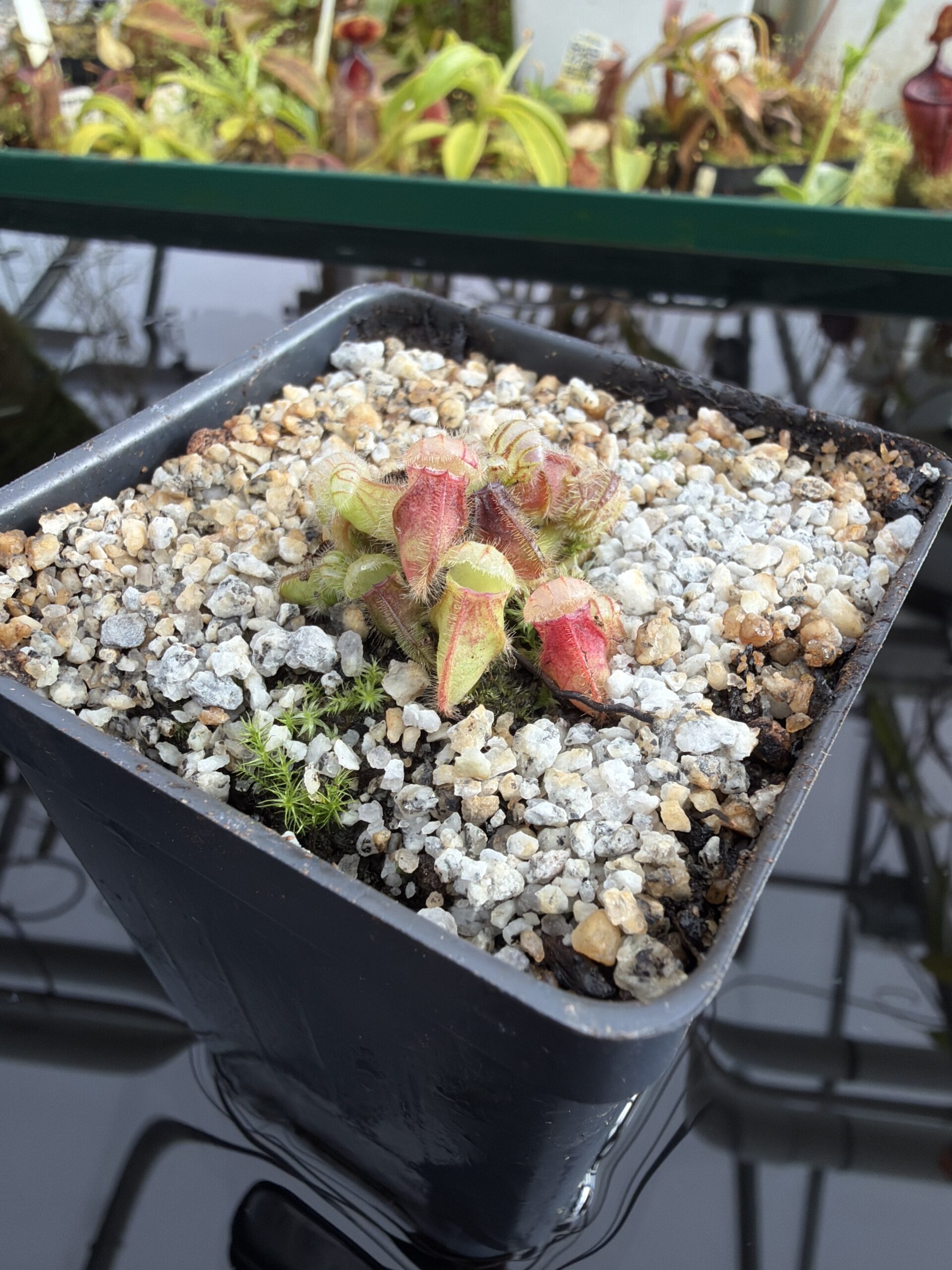
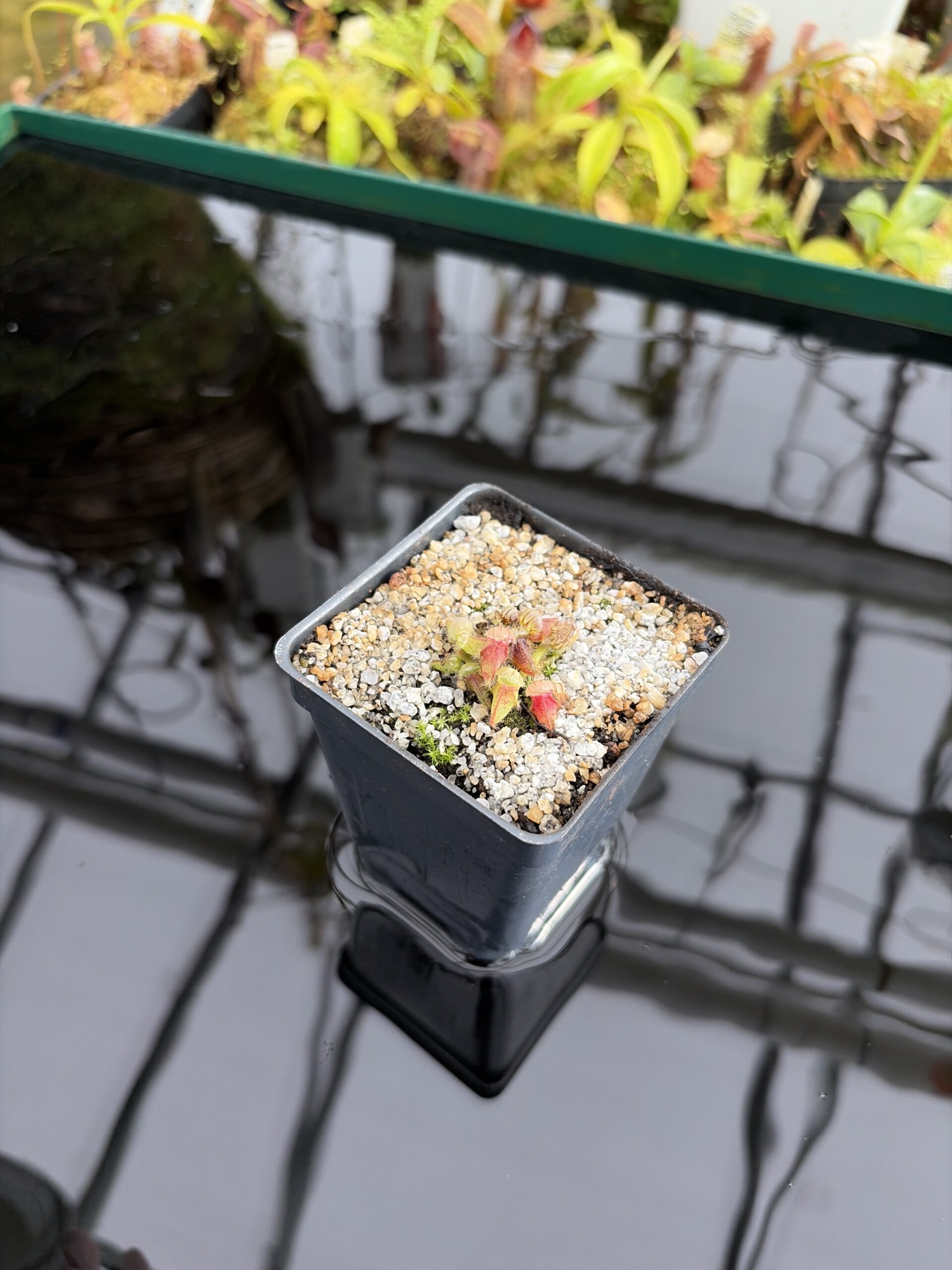
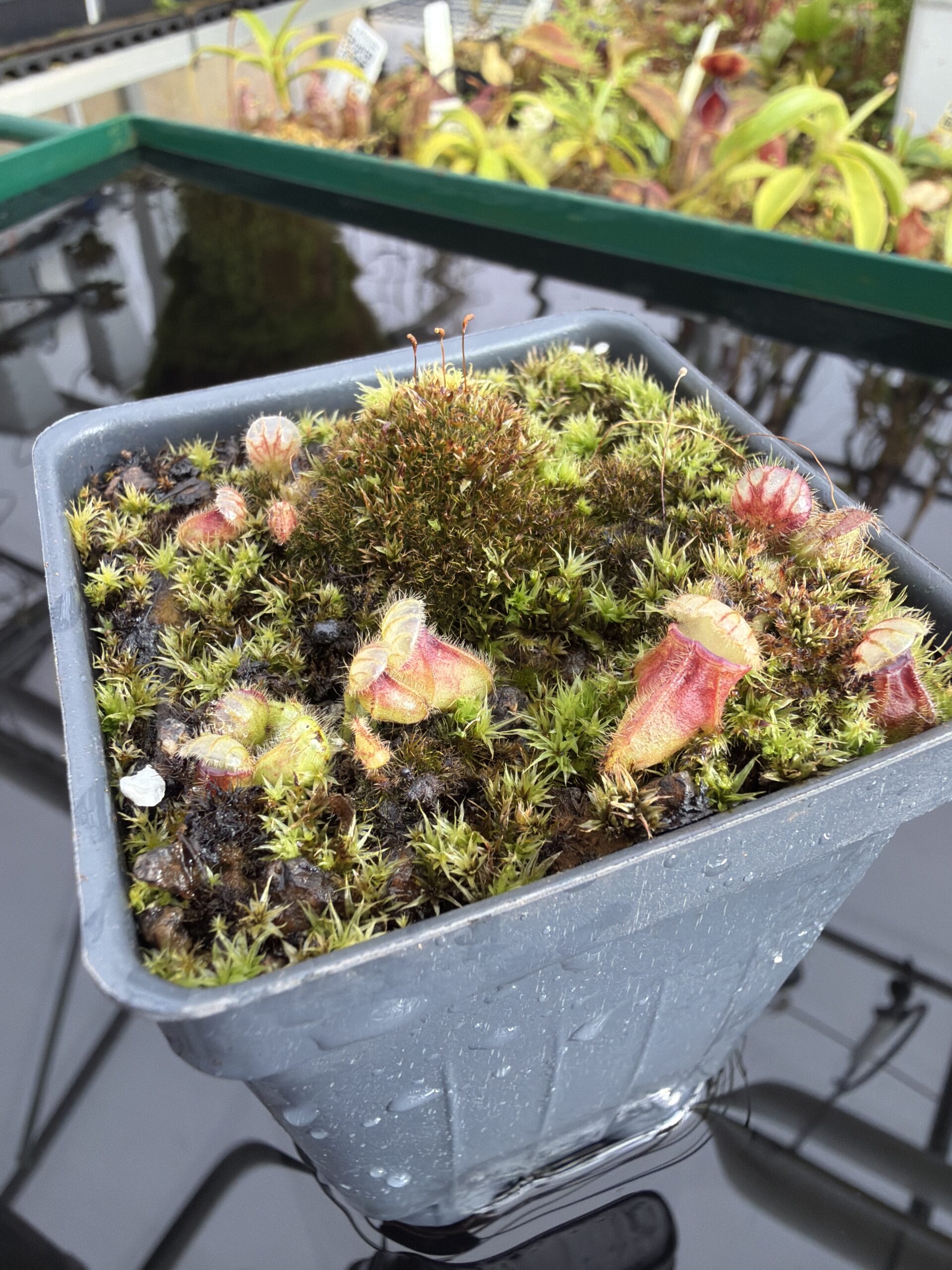
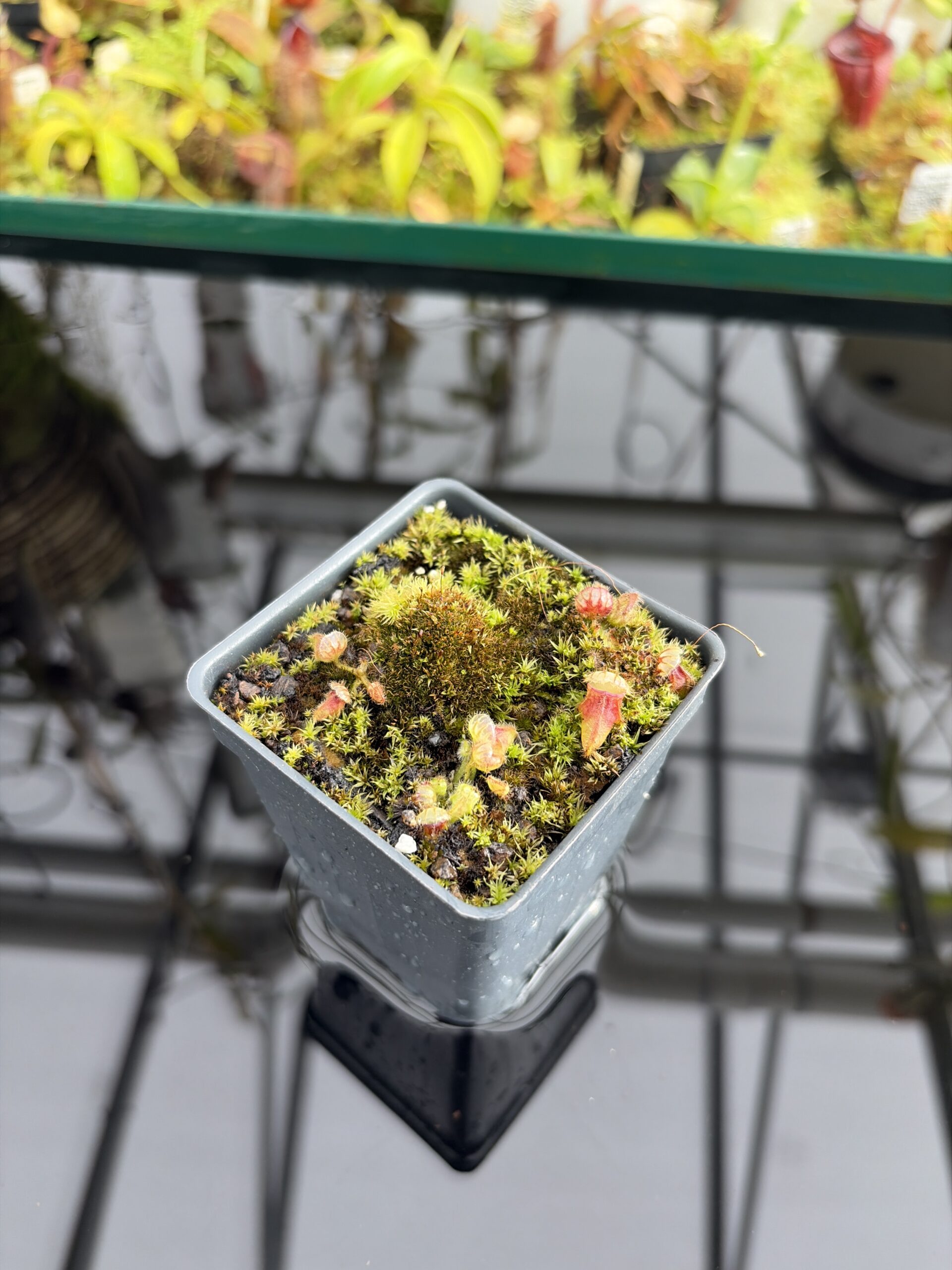
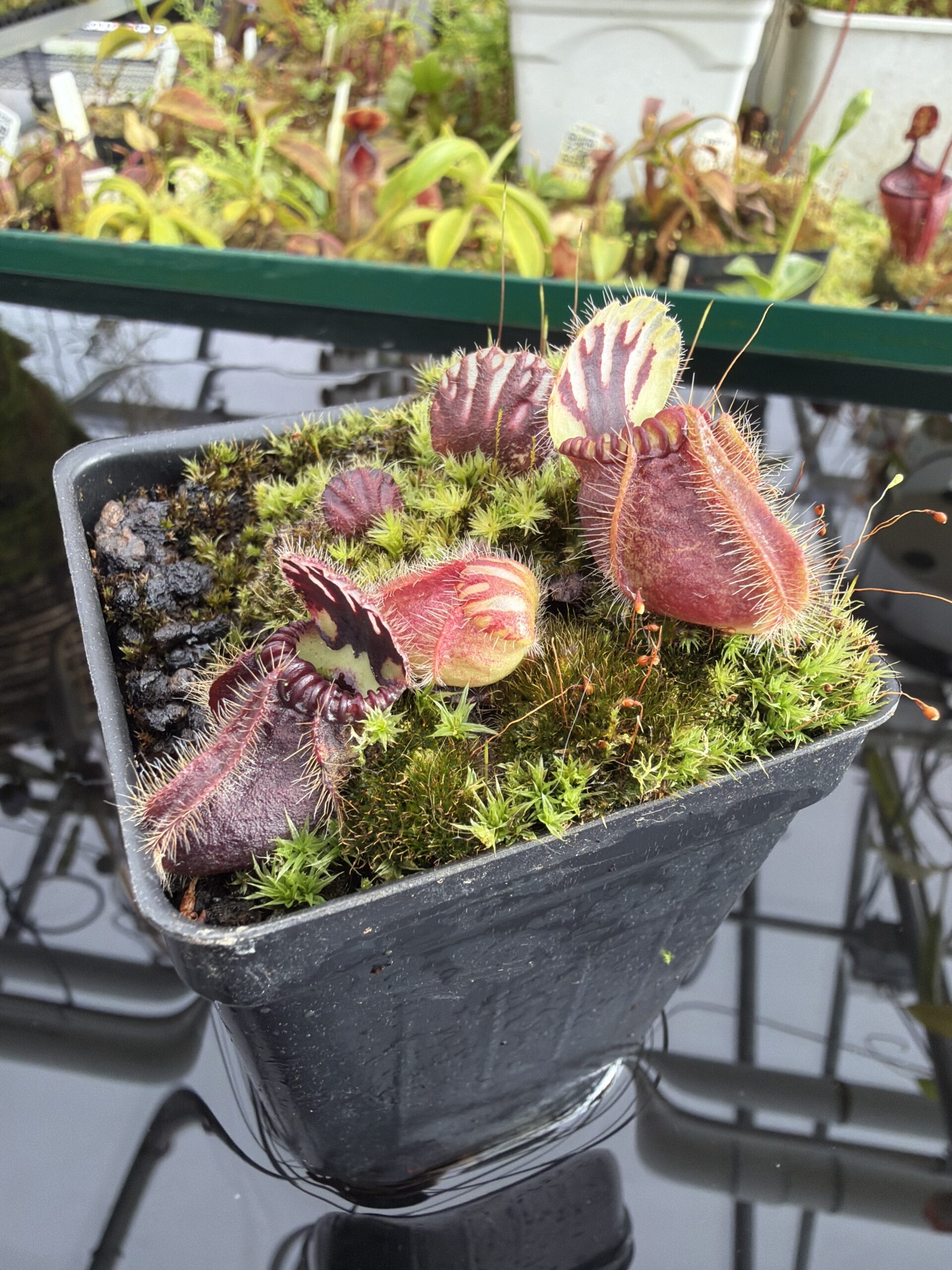
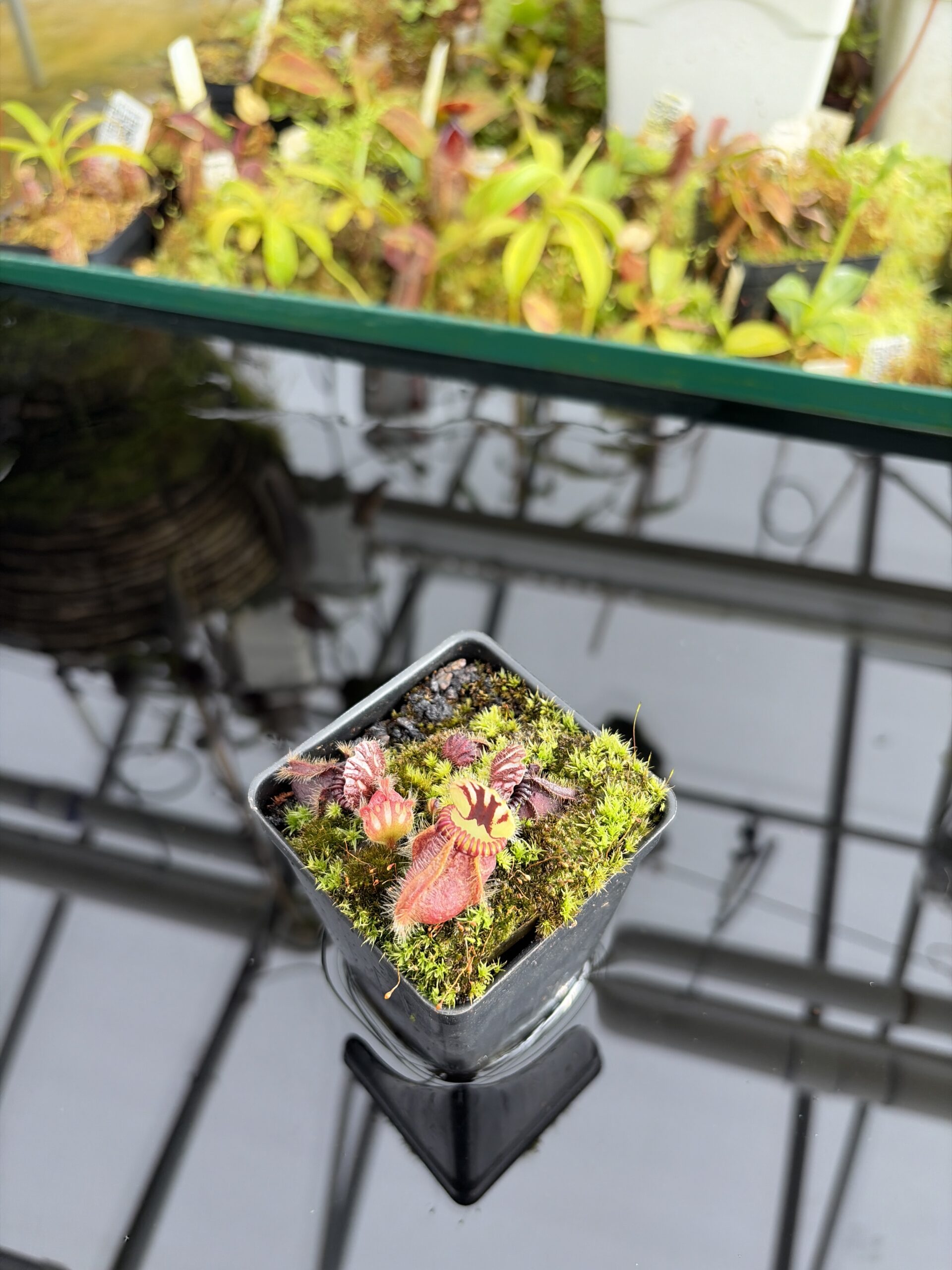
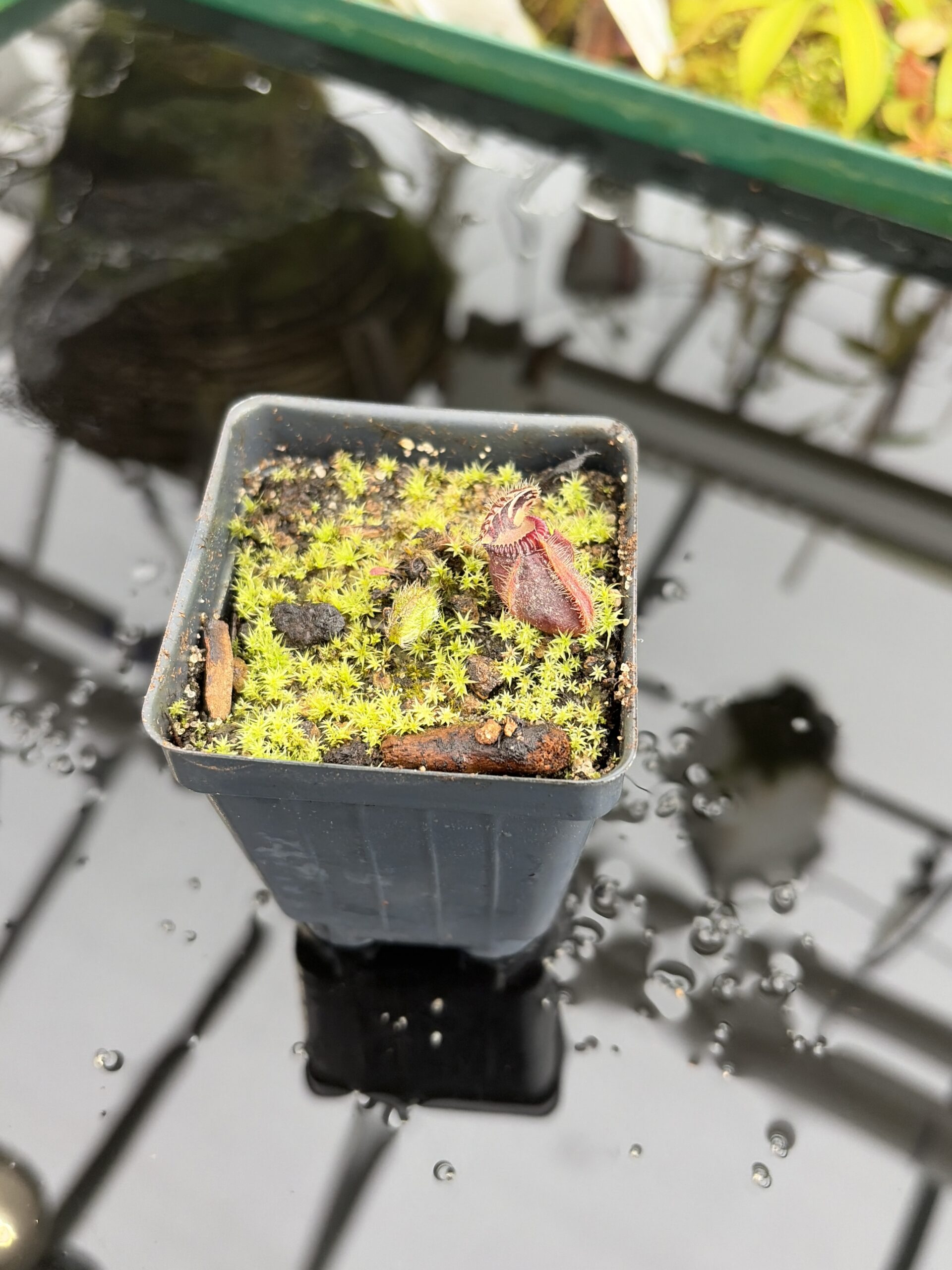
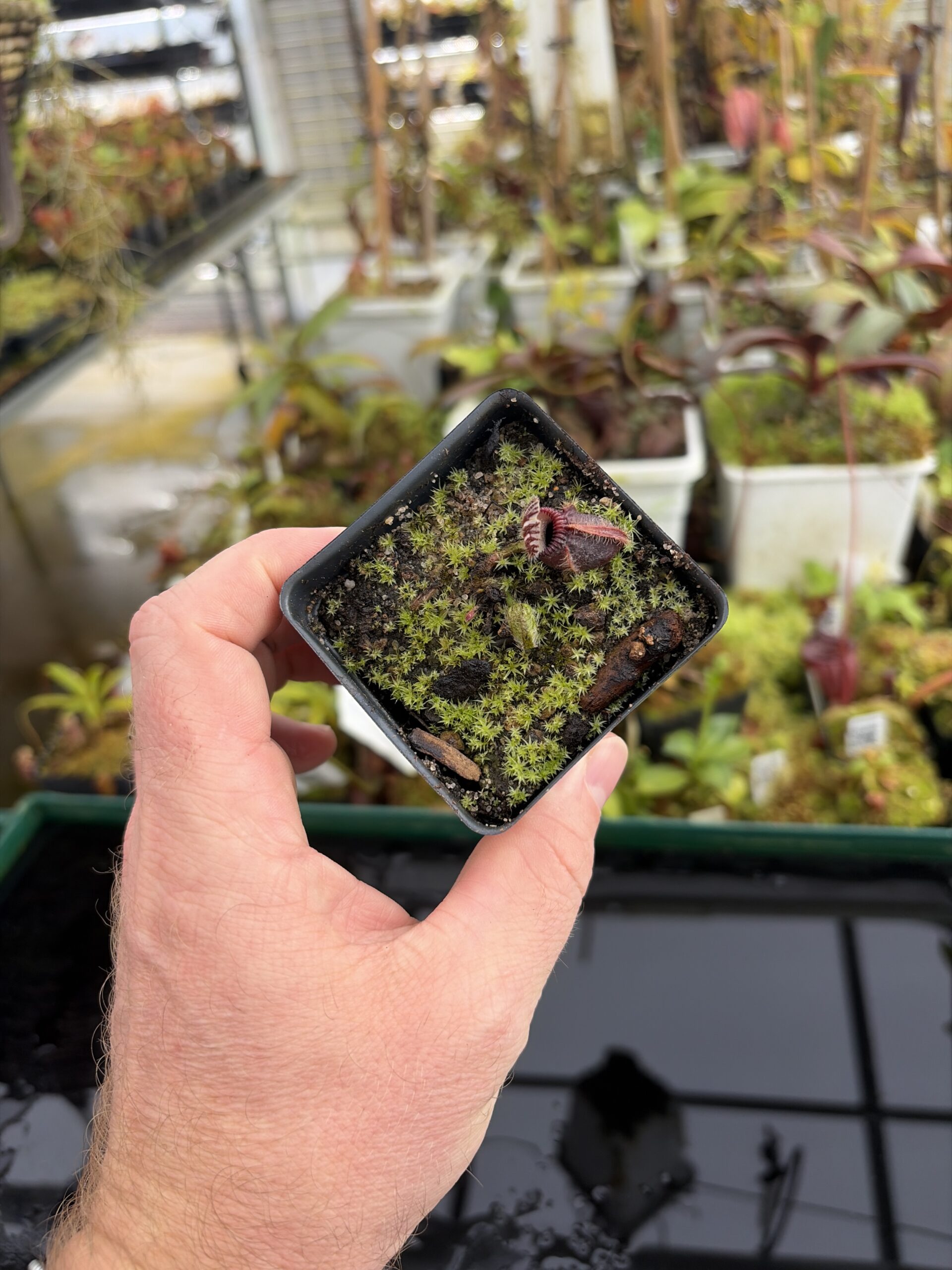
6 specimens in stock, $38.99 to $64.99. Each photo shows the exact plant you receive.

Cephalotus follicularis, specimen IN27806
Medium · Christian Klein
Choose a specimen

$64.99

Size
Medium
Locality
N/A
Breeder
Christian Klein
Conditions
Intermediate
Propagation
Tissue Culture
Specimen
IN27806

Cephalotus follicularis

The only species in its family: a small, lidded pitcher plant from the peaty swamps and creek banks of far southwestern Western Australia.

Cephalotus follicularis is endemic to a coastal strip of about 400 km in the southwest corner of Western Australia, between Augusta and Cape Riche, northeast of Albany. It grows in moist, peaty sand in swamps and along creeks and riverbanks, often in sphagnum cushions on acidic peat over granite. Robert Brown's expedition collected it at King George Sound in 1801 to 1802, and Labillardière published it in 1806, first placing it in the rose family by mistake. It is the only species in its genus and the only member of the family Cephalotaceae, now placed in the order Oxalidales.

The pitchers are small, around 5 cm, with a lid that grows from the leaf stalk and shields the mouth from rain. Translucent, window-like patches in the lid are thought to mislead insects. The rim carries inward-pointing teeth above a smooth, slippery inner wall. In strong light the pitchers color deep red; in shade they stay green. The plant also makes flat, thick, glossy leaves that do not trap, and it produces the two leaf types in different seasons. Follicularis refers to the small, sack-like form of the pitchers.

Specimens available now

Learn more about this plant

Breeders

Borneo Exotics

The Nepenthes nursery in Sri Lanka that Rob Cantley founded in 1997.

Borneo Exotics is a Nepenthes nursery in the central highlands of Sri Lanka. Rob Cantley founded it in 1997, and he runs it with his wife and business partner, Diana. It built its own tissue culture laboratory because cuttings proved inconsistent and prone to disease, and it now offers micropropagation services to breeders and nurseries around the world.

Its plants are sold under BE numbers, and other sellers keep those numbers on their listings. Cantley also found a new species in January 1997, on a trip to Mindanao to look for N. truncata seed. It was described in 2011 as N. robcantleyi in his honor, and nearly all plants in cultivation descend from a small batch of seedlings from that one trip.

Care

Growing Cephalotus

Bright light, pure water and a free-draining mix that stays moist but never waterlogged.

Cephalotus follicularis comes from coastal southwest Western Australia, with warm summers and cooler winters. We grow it intermediate: days in the 70s F (21 to 26 C), cooler nights, and bright light, which brings out the deep red color in the pitchers.

Use a free-draining mix such as peat with plenty of perlite or sand, and keep it moist but never waterlogged; water with pure water (rain, distilled or reverse osmosis). Good airflow helps keep the roots healthy.

Cephalotus is slow and dislikes being disturbed, so repot only when needed. It tolerates a cooler, slower winter.