
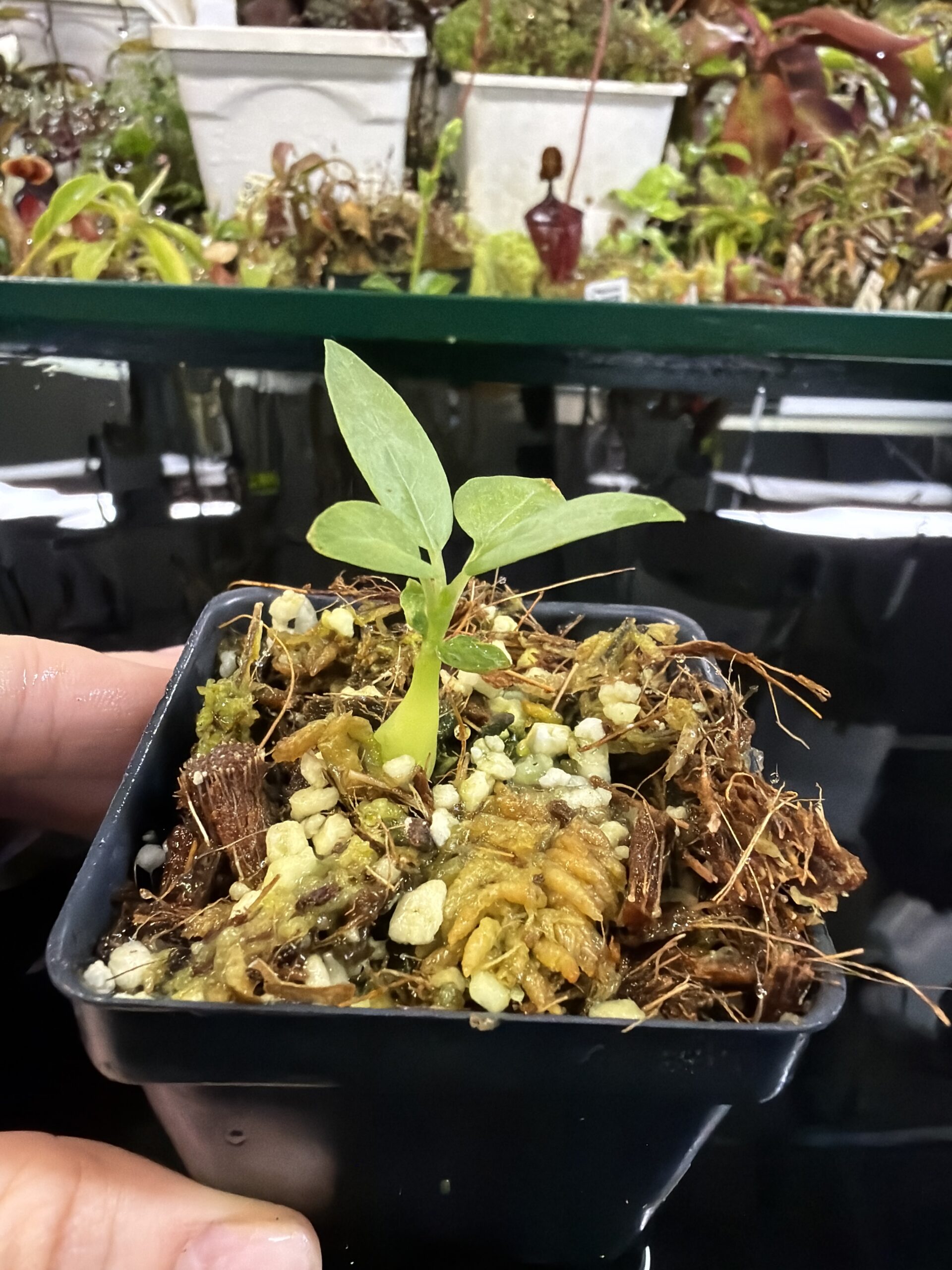
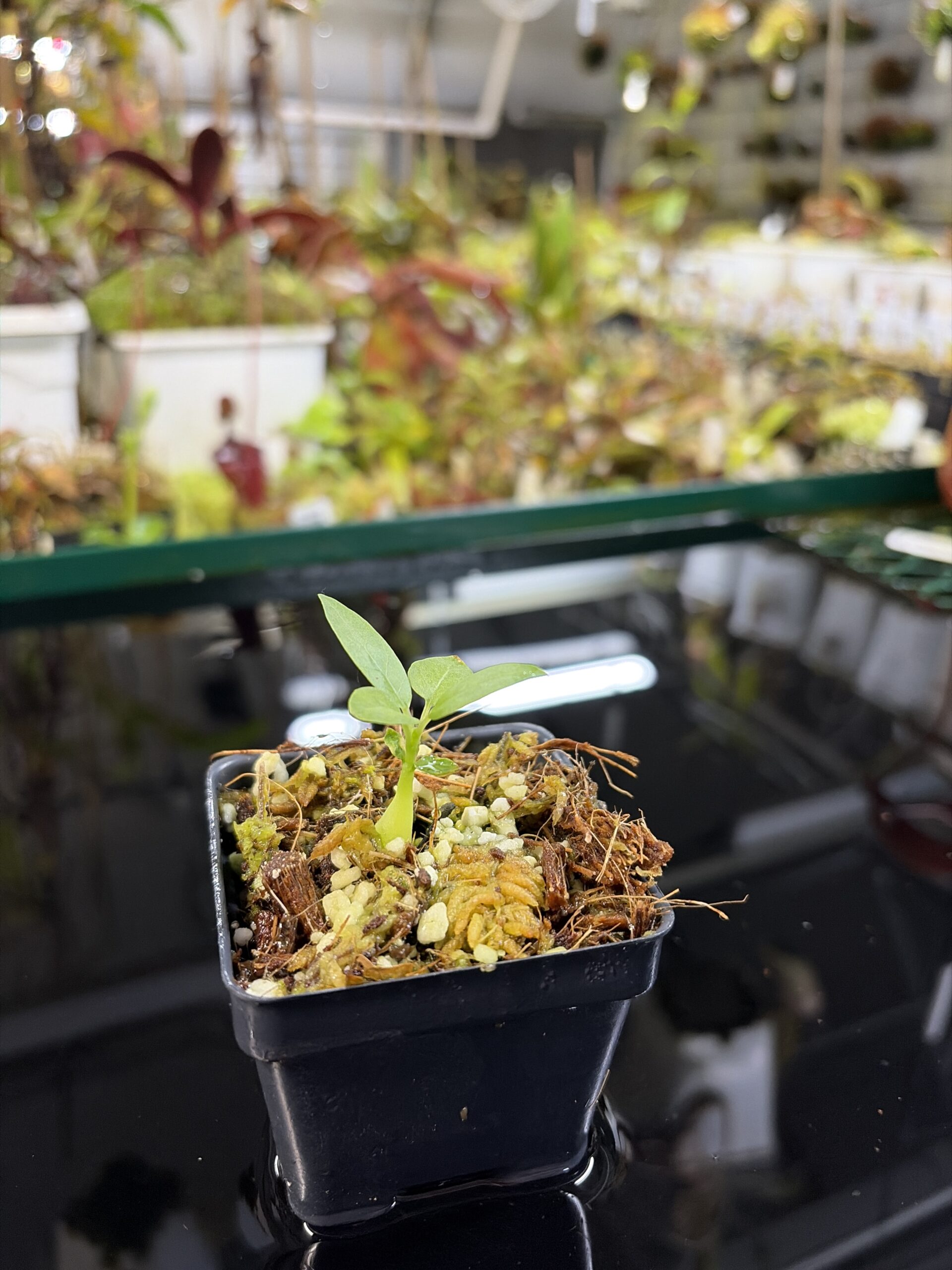
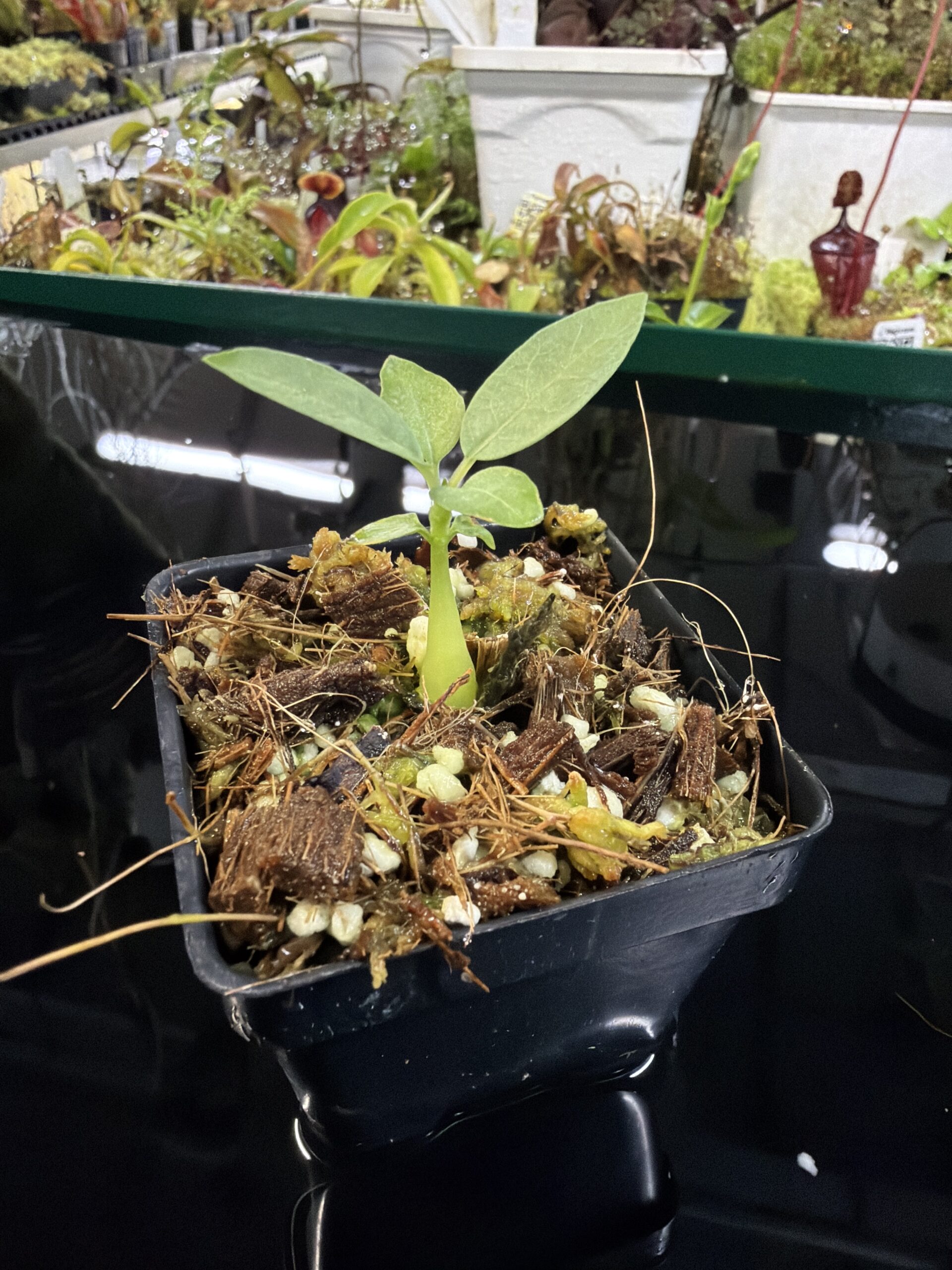
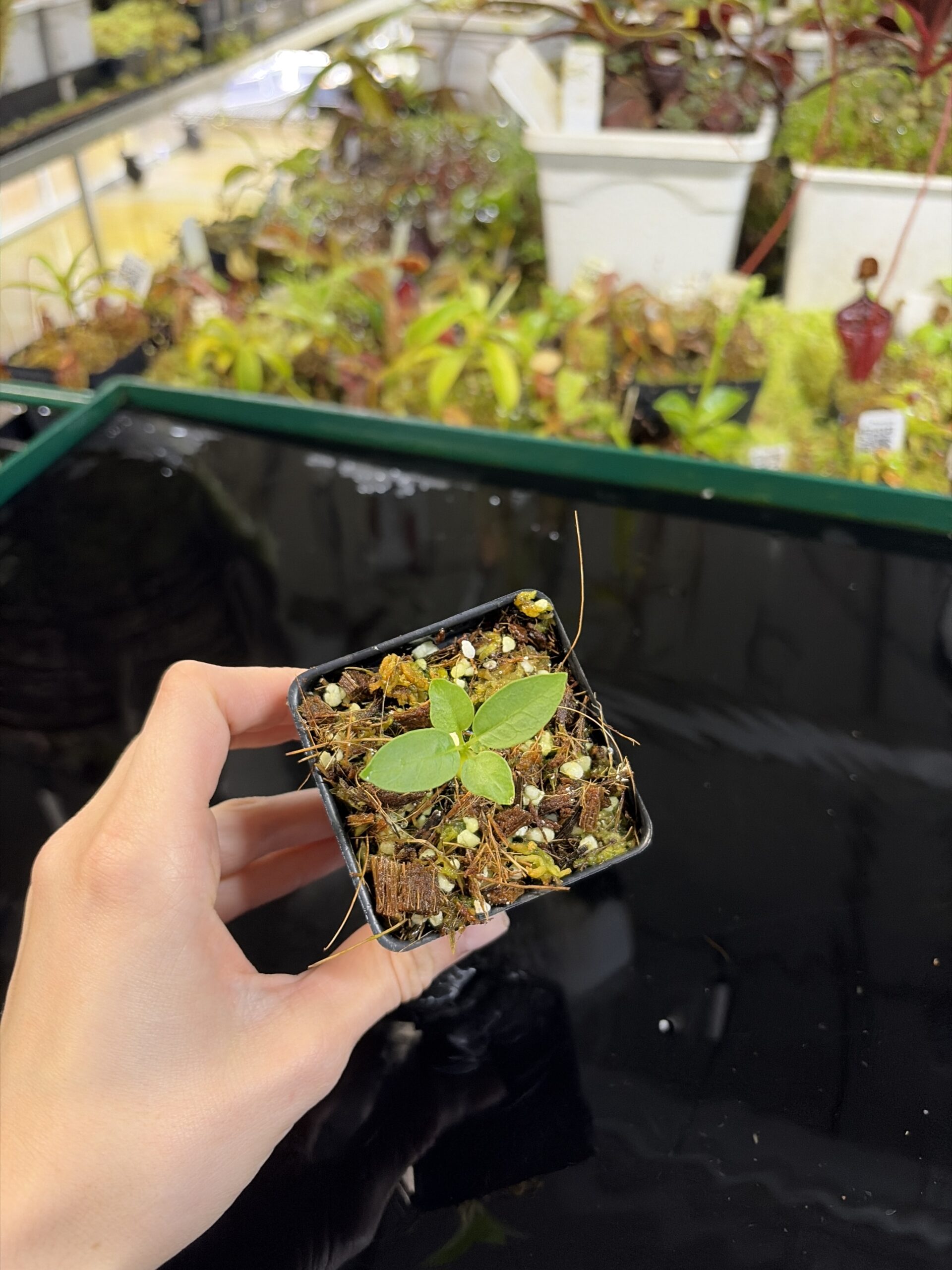
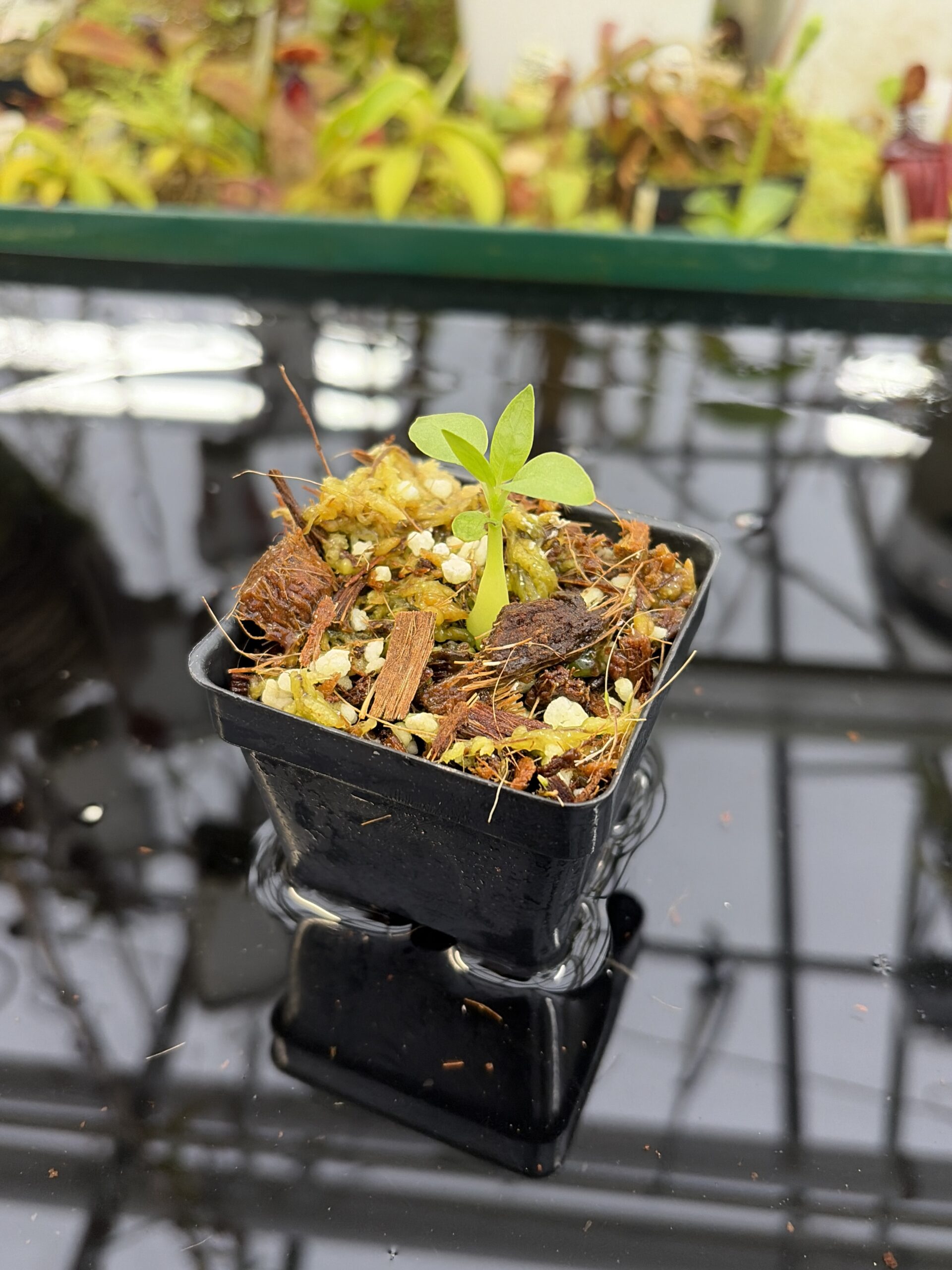
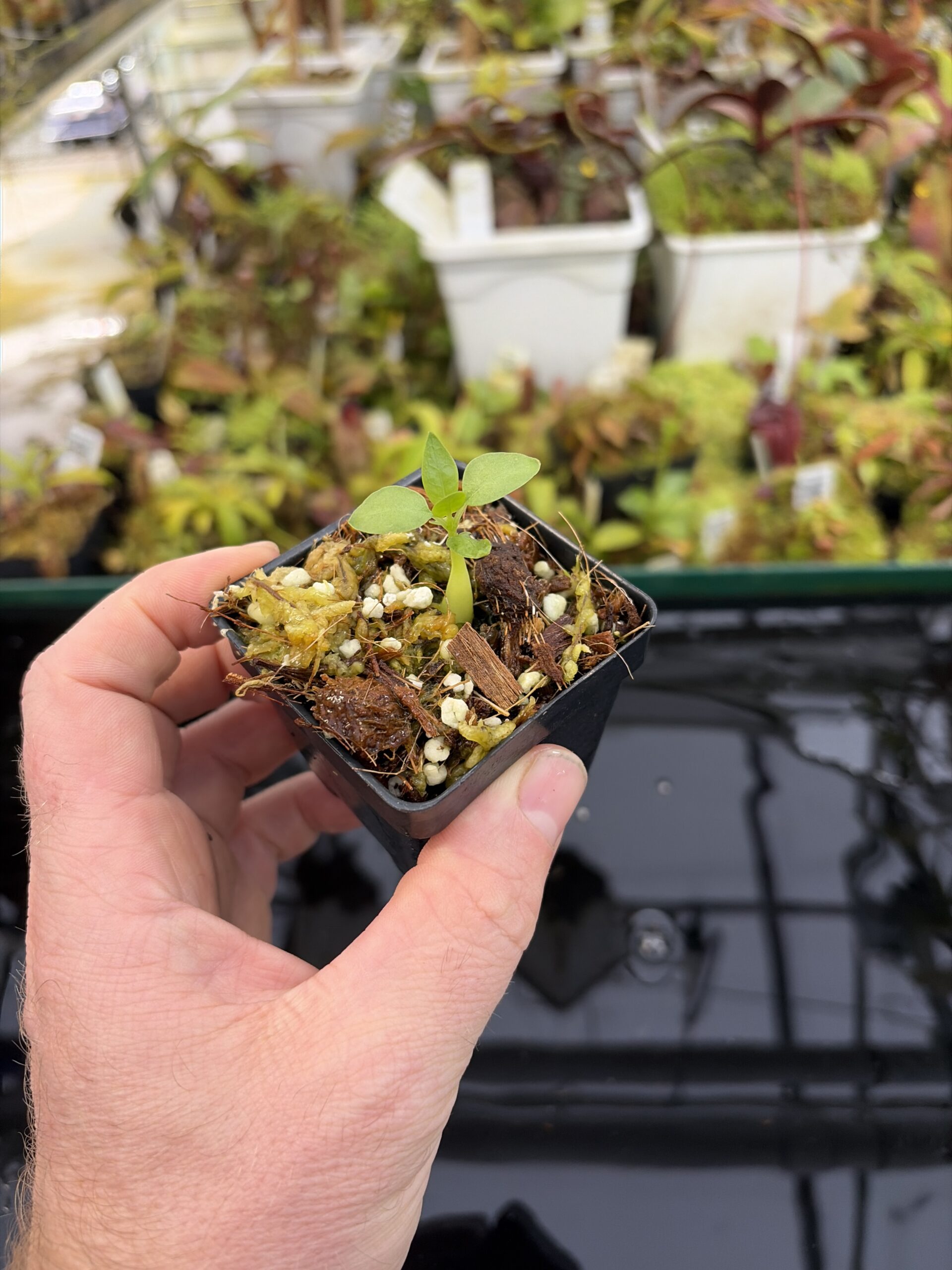
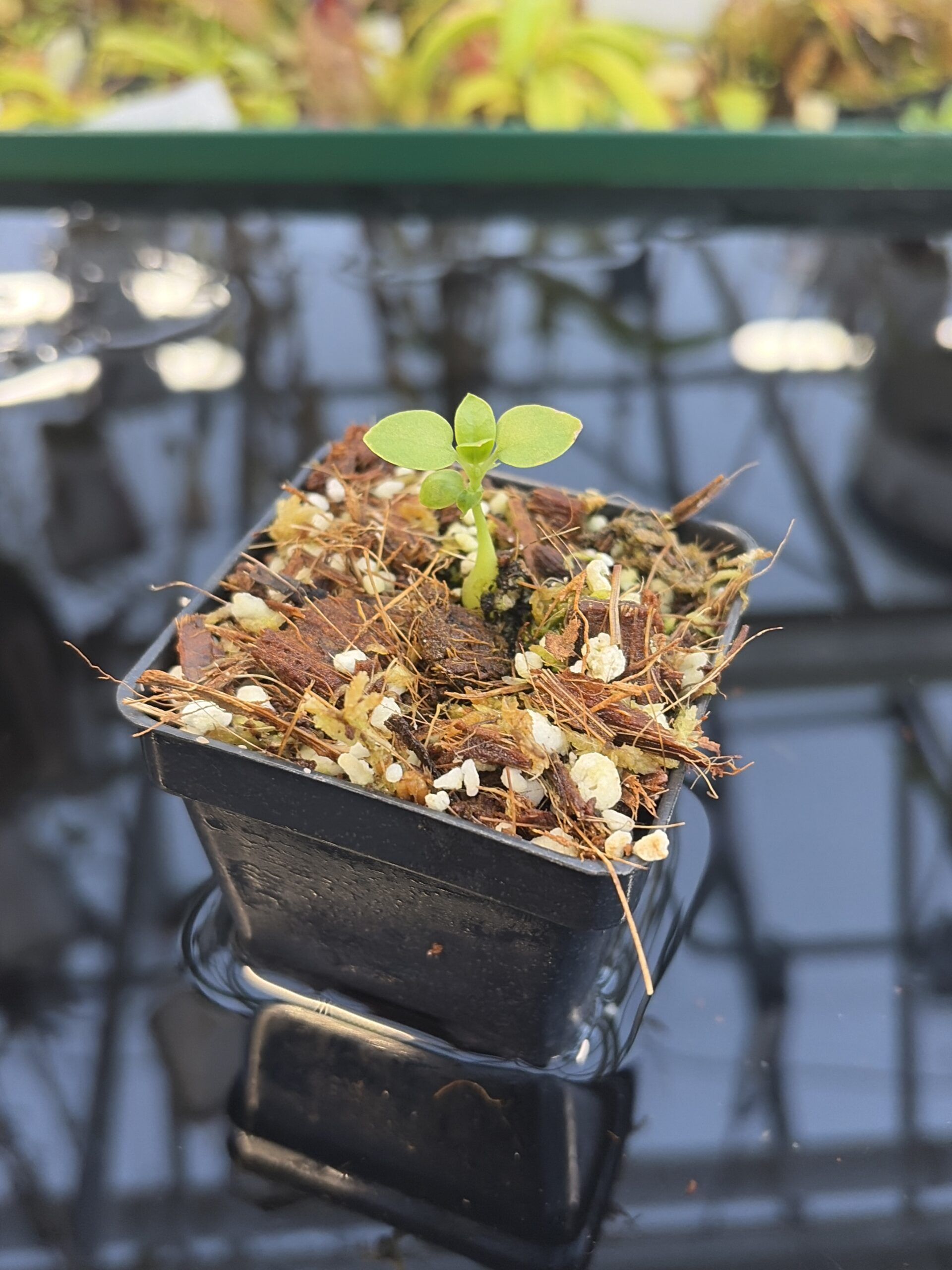
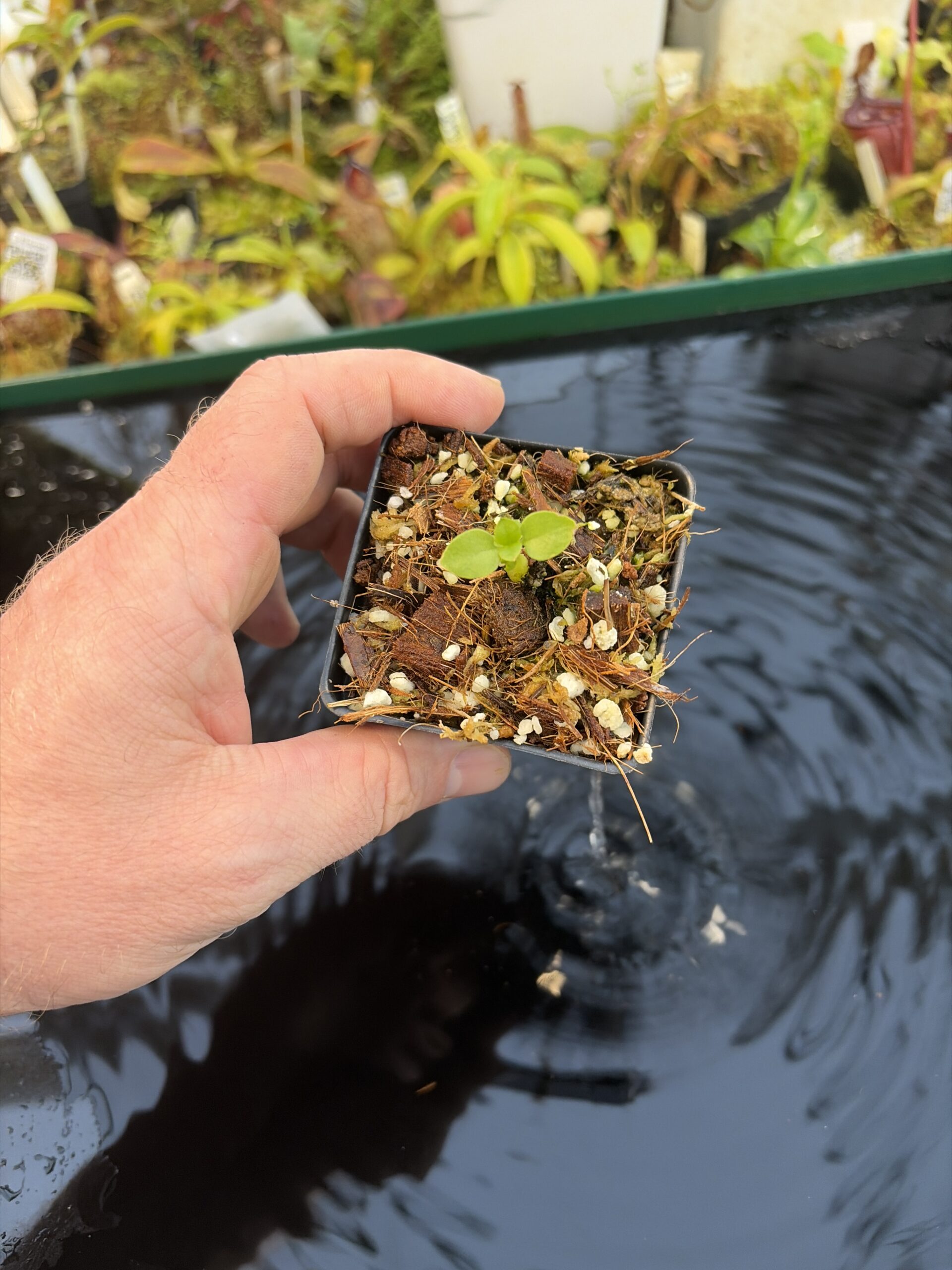
Hydnophytum radicans
A widespread New Guinea and Moluccan ant plant in the coffee family, growing as an epiphyte from a swollen tuber, from sea level to about 1,200 m.
Hydnophytum radicans ranges across the whole of New Guinea and into the Moluccas, from Seram and the Kei and Aru islands through Indonesian Papua to mainland Papua New Guinea and its offshore islands. It grows from open savannah to closed forest, usually as a low epiphyte, from sea level to about 1,200 m and occasionally higher. Beccari described it in 1884 in his work Malesia. In a 2019 revision Jebb and Huxley folded eight other names into it, including H. simplex, and assessed it as Least Concern, with more than 45 known subpopulations.
Hydnophytum belongs to the coffee family, Rubiaceae. The genus name joins the Greek for tuber and plant, after the swollen, succulent stem base. In the genus, that tuber develops smooth-walled internal tunnels with entrance holes, which ants can use as a nest; waste left inside is absorbed by glands lining the tunnels. H. radicans is recorded with and without ants in the wild. Its tuber varies from globose to spindle-shaped and can reach 60 cm across, with stems to 150 cm or more and lance-shaped leathery leaves.