Nepenthes appendiculata

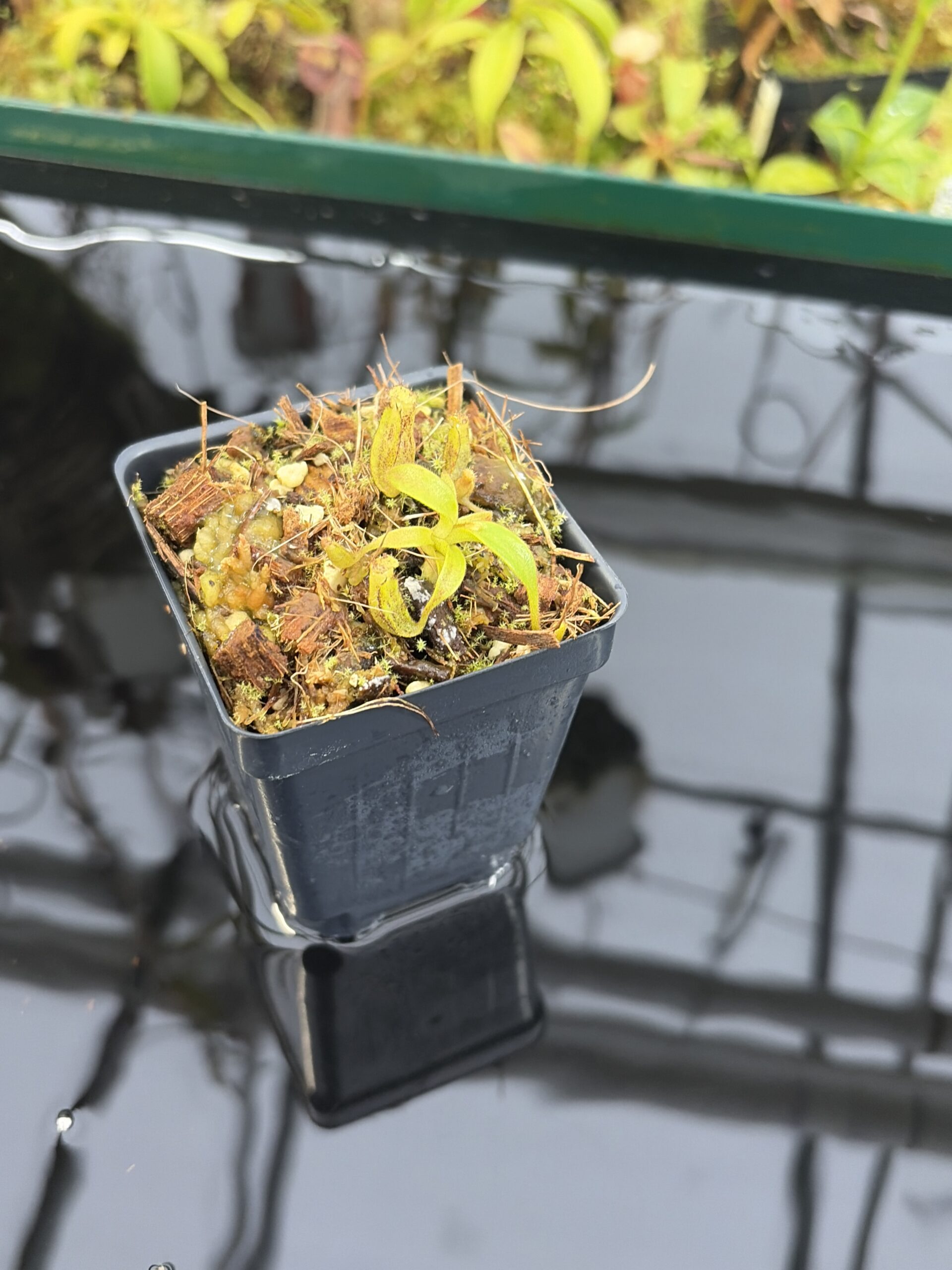
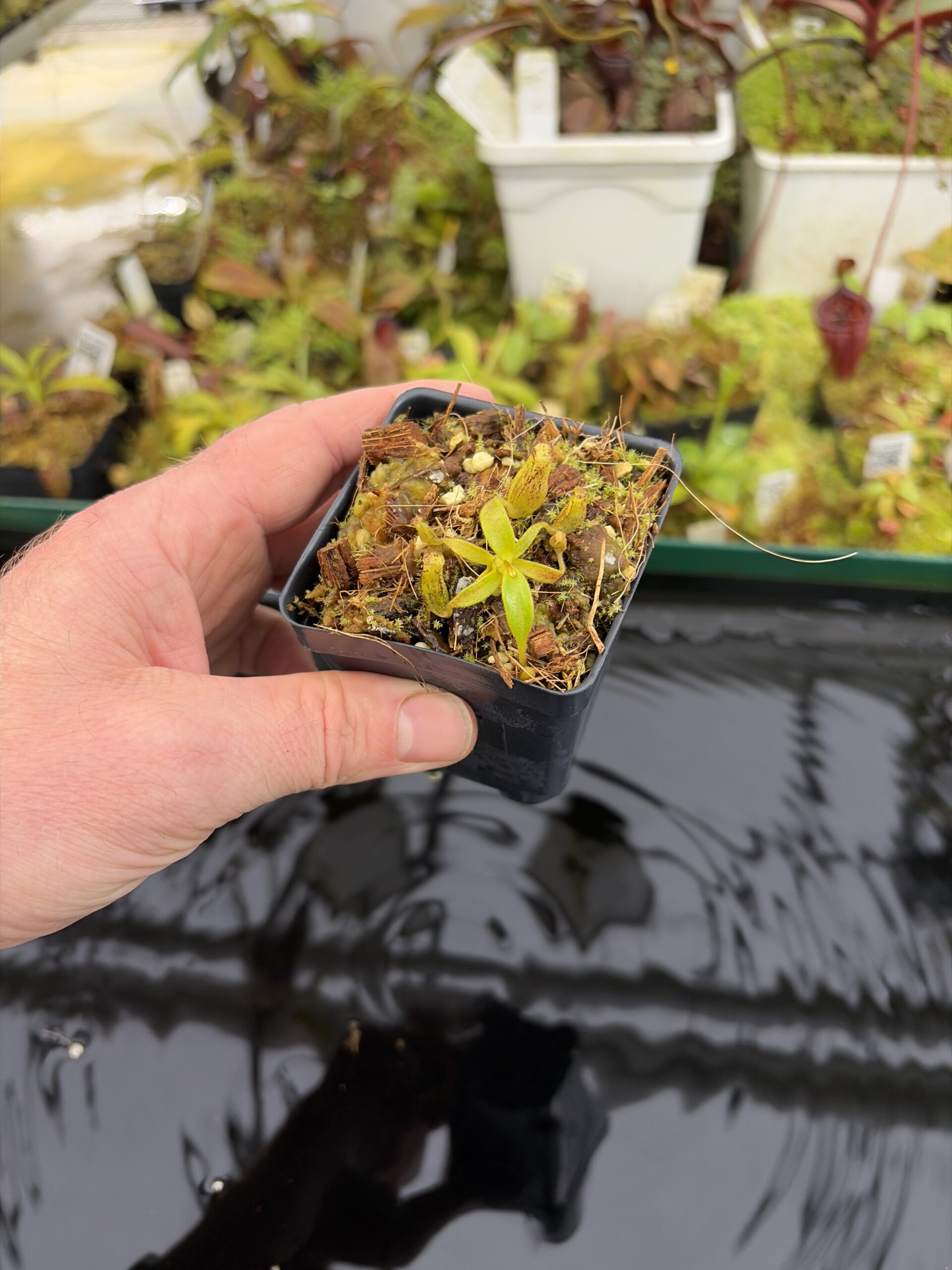
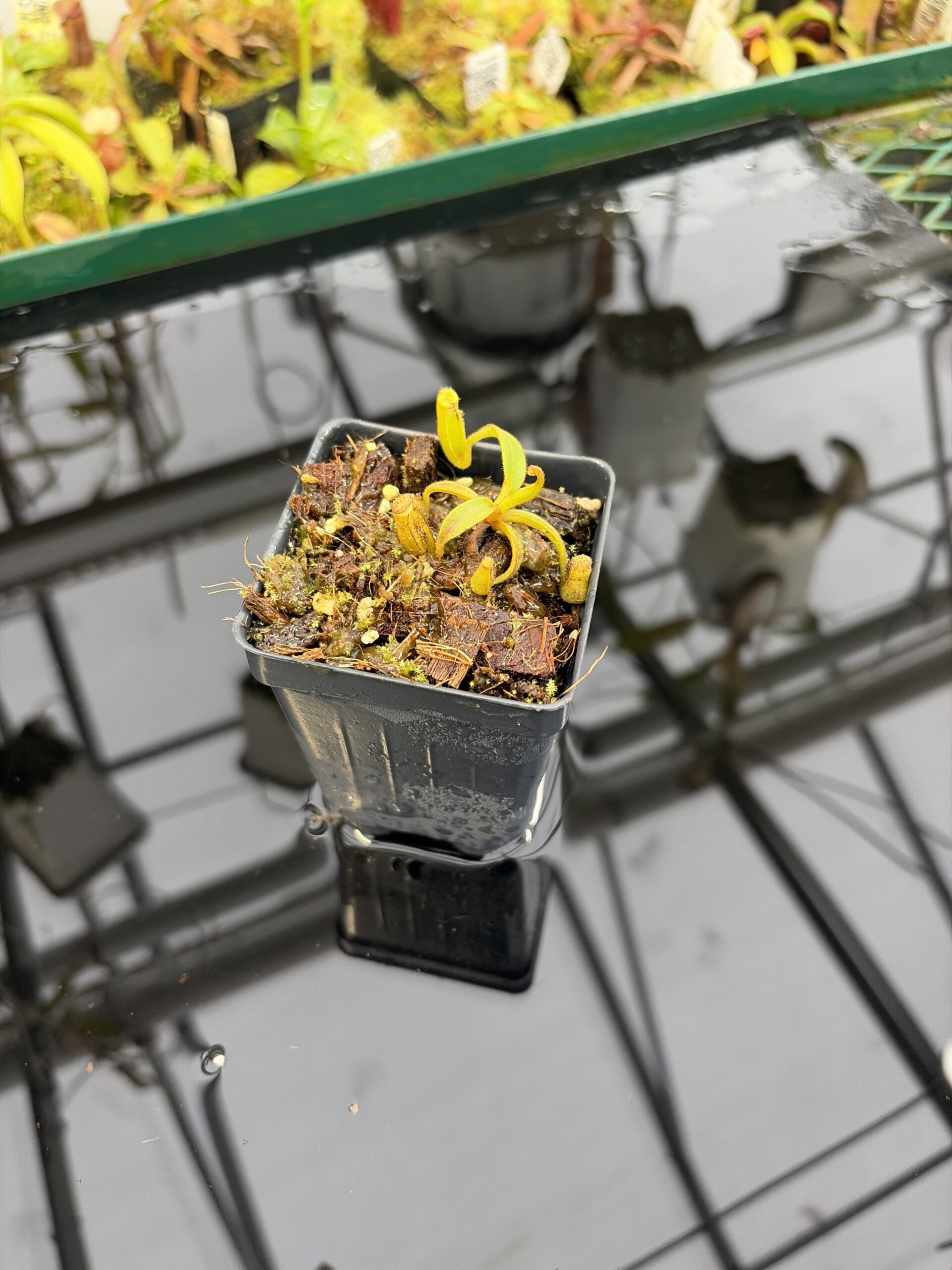
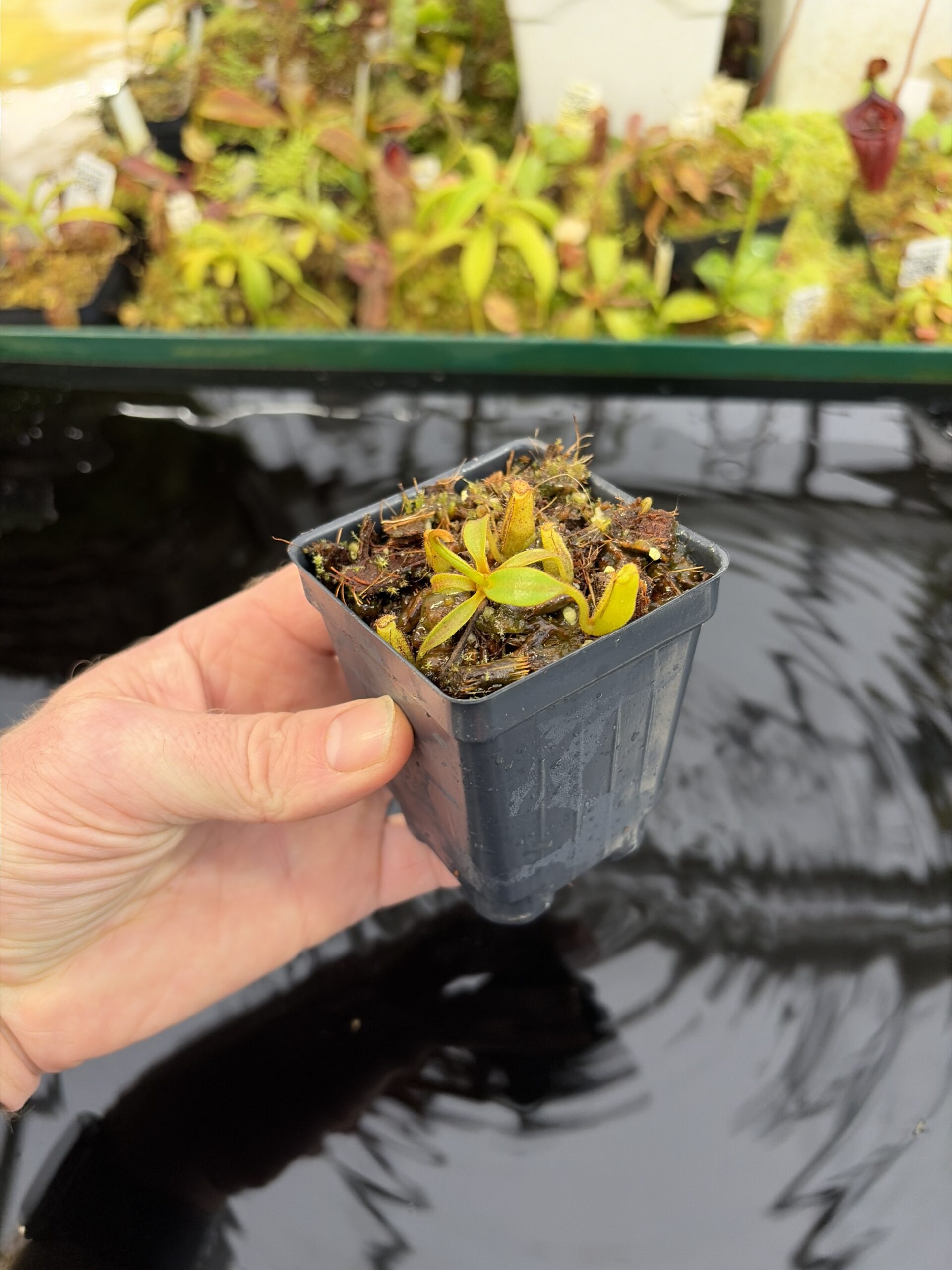
4 specimens in stock, $59.99 to $144.49. Each photo shows the exact plant you receive.

Nepenthes appendiculata, specimen H25705
Small · James Ellis
Choose a specimen

$199.99 $144.49

Size
Small
Locality
N/A
Breeder
James Ellis
Conditions
Highland
Propagation
Seed Grown
Specimen
H25705

Nepenthes appendiculata

A highland Nepenthes known only from the Hose Mountains of central Sarawak, named for the swollen, nectar-rich appendage at the tip of its lid.

Nepenthes appendiculata is known only from the remote Hose Mountains of central Sarawak, Borneo, where it grows in montane forest at about 1,450 to 1,700 m. It was described in 2011 by Ch'ien Lee, Bourke, Rembold, Taylor and Yeo, as one of the new species in the first volume of New Nepenthes. Despite its small range, it was assessed as Least Concern in 2018.

The name says what to look for. The lid ends in a swollen, brightly colored appendage packed with large nectar glands, a structure Lee describes as unlike that of any other species in the genus. He suggests it serves as a lure for insect prey, though which insects it targets still needs fieldwork. On a mature plant the appendage is the detail to check first.

Specimens available now

Learn more about this plant

Care

Growing highland Nepenthes

Cool nights, mild days, high humidity and steady airflow, the mountain cloud forest that most of our Nepenthes come from.

Highland Nepenthes grow in montane forest where nights cool down sharply after mild days. Aim for nights about 50 to 55 F (10 to 13 C), days 70 to 78 F (21 to 26 C), humidity above 70 to 80 percent, bright filtered light and constant airflow. The night drop is what highland plants need most; a warm room at night slows them down.

Grow them in an open, airy mix that drains fast, such as long-fiber sphagnum with perlite or bark, and keep it evenly moist with pure water (rain, distilled or reverse osmosis). Never let the pot sit in water for long.

New plants settle in over a few weeks; keep conditions steady while they do. The pitchers catch their own food, so fertilizer, if any, should be light and occasional.