
Nepenthes edwardsiana

Tamb.

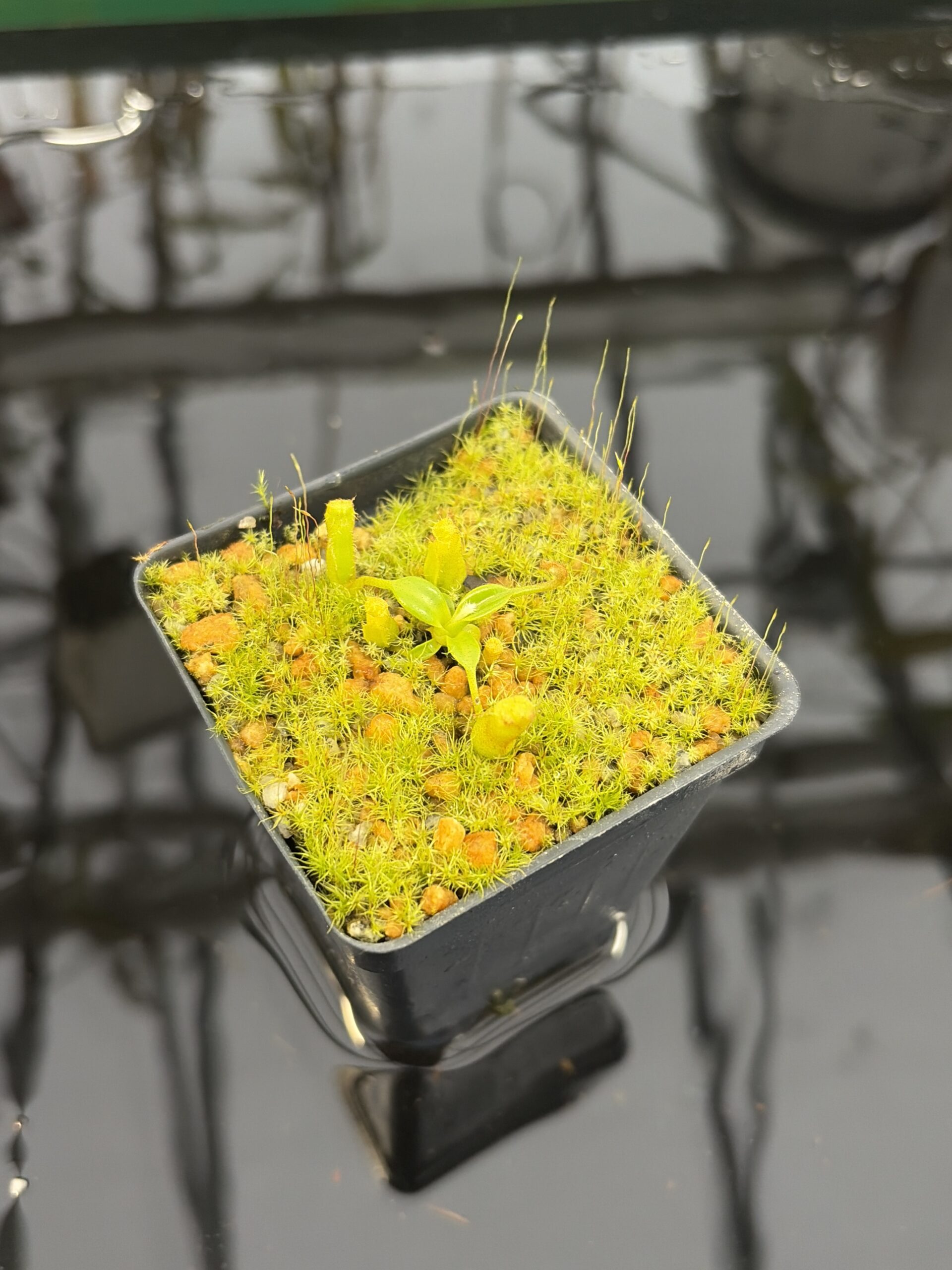
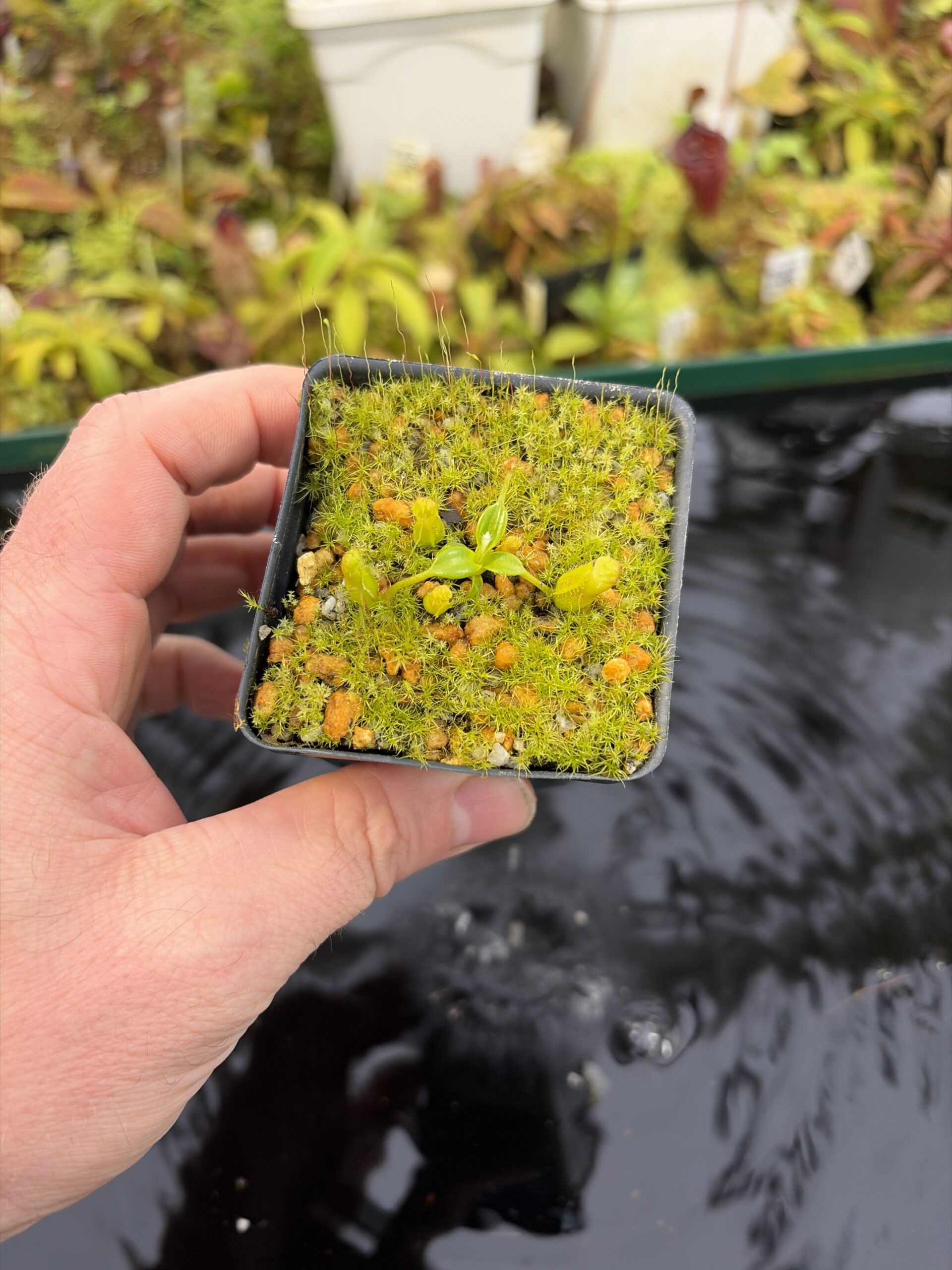
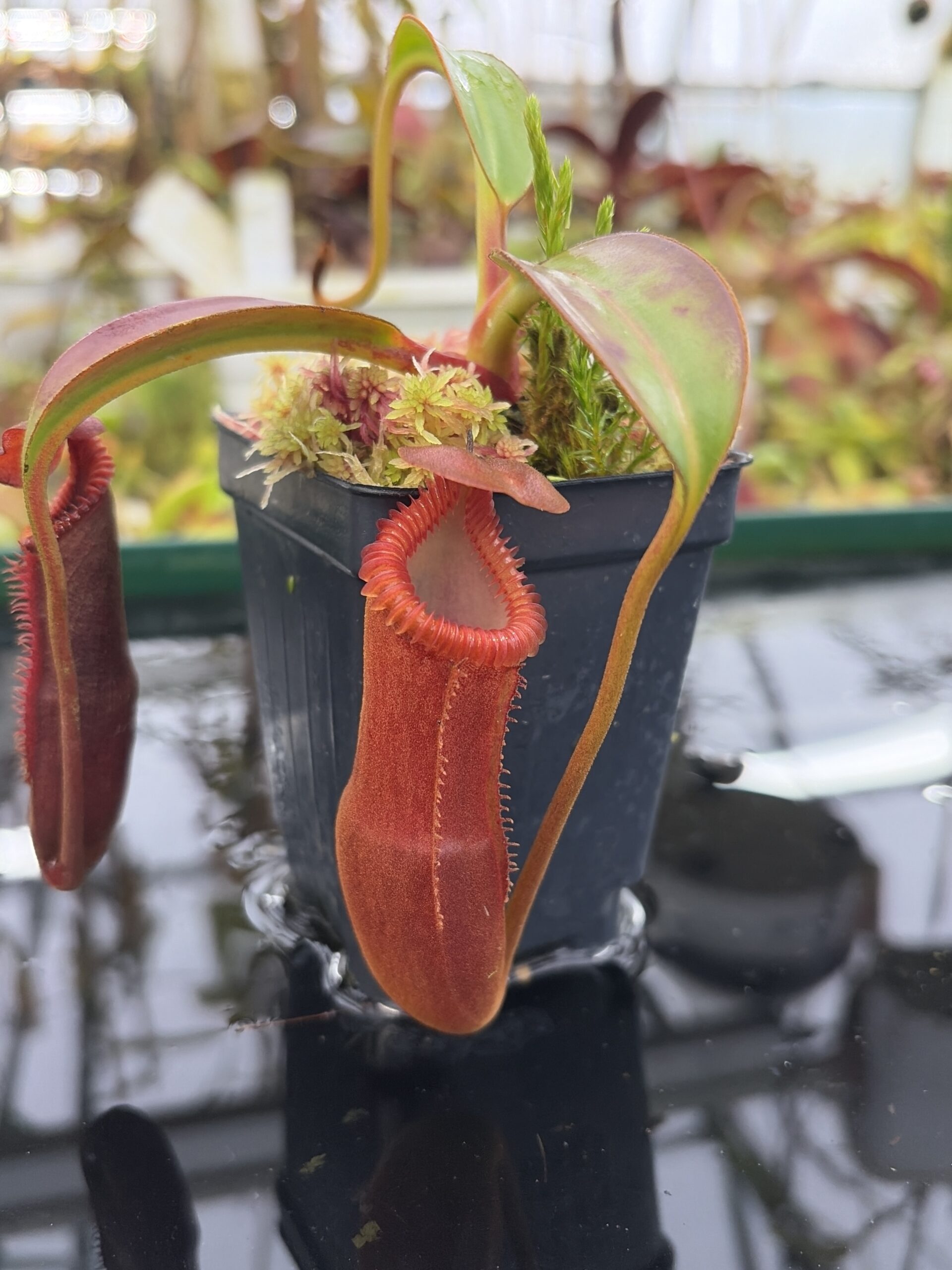
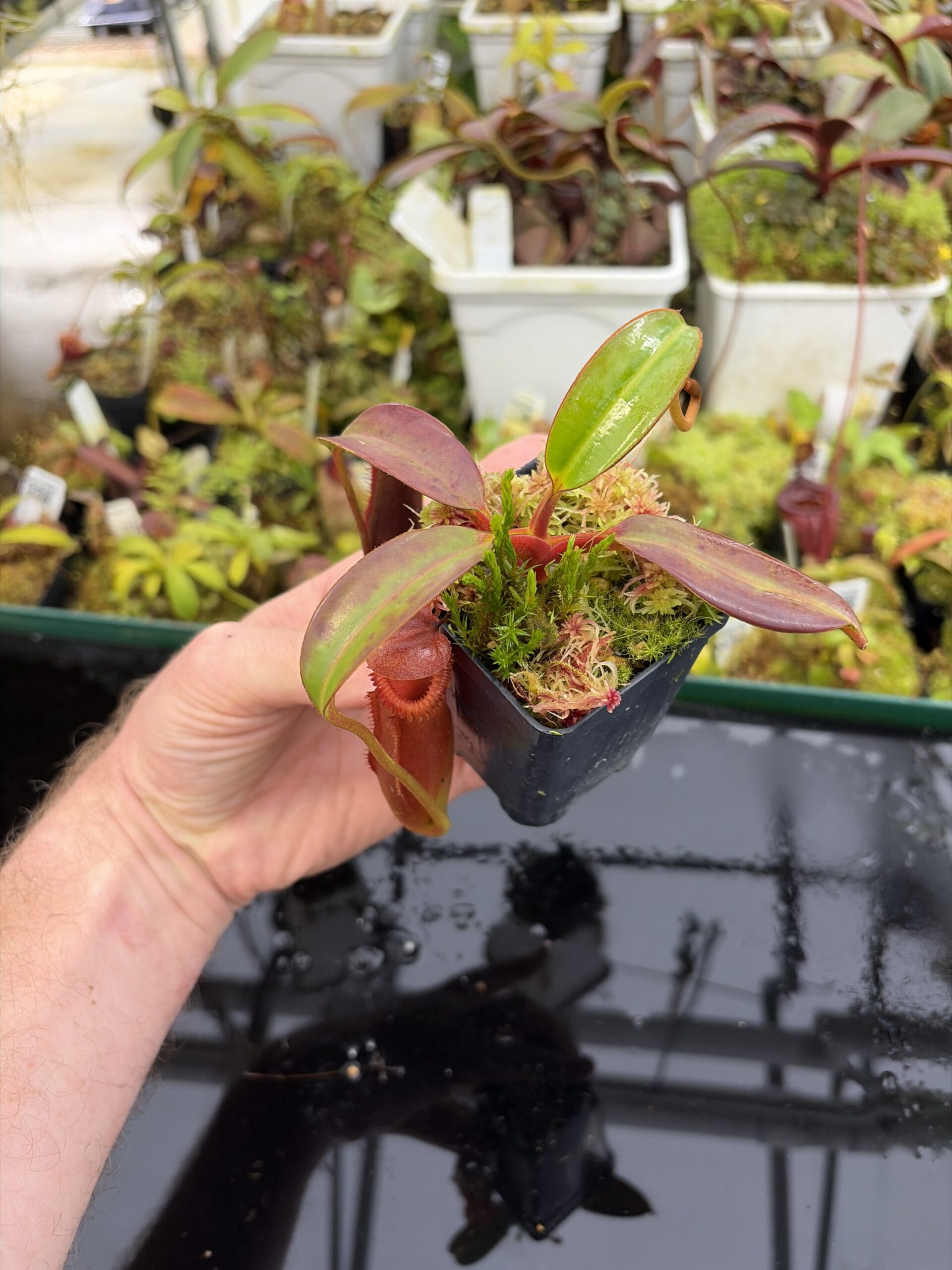
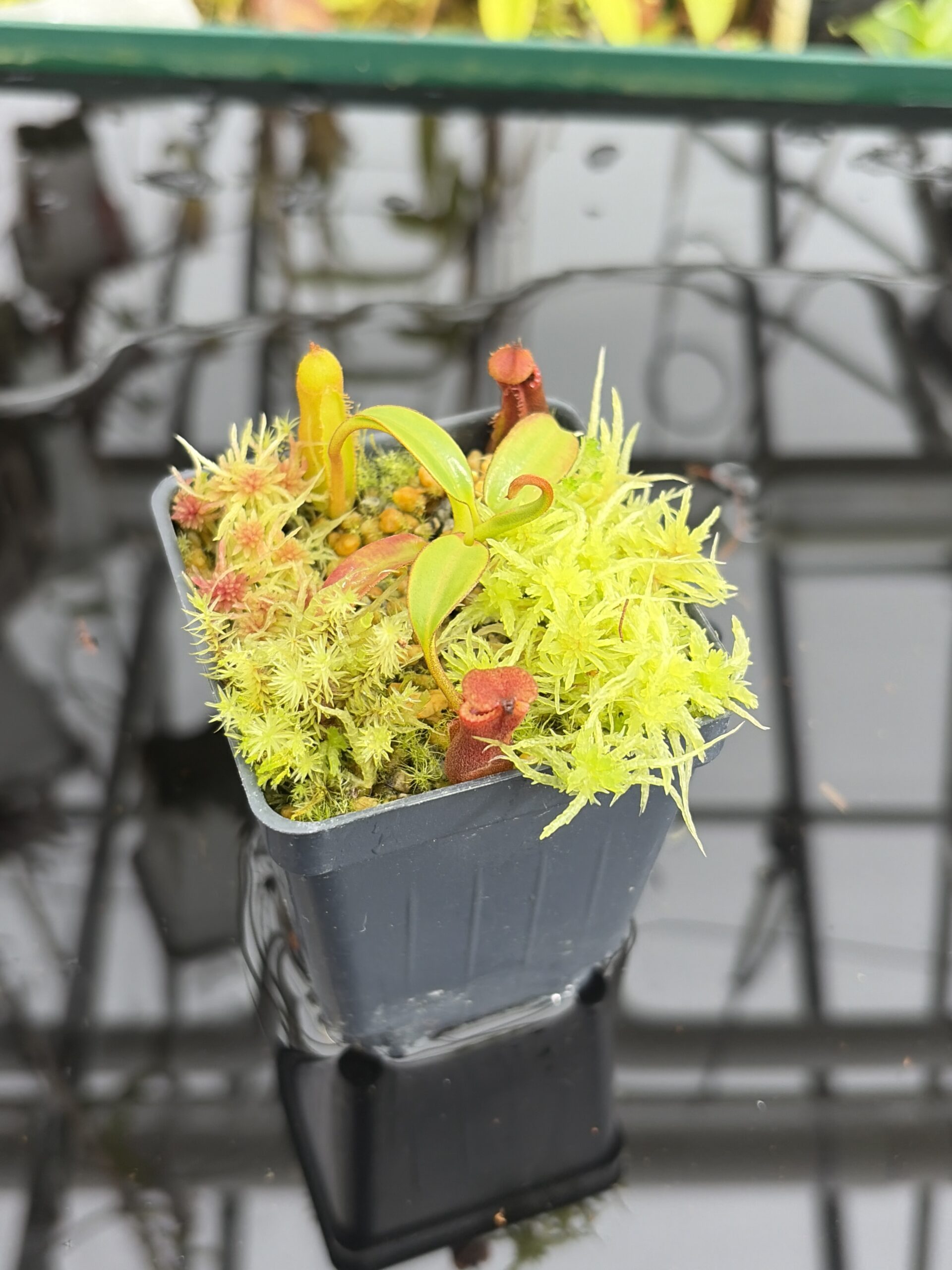
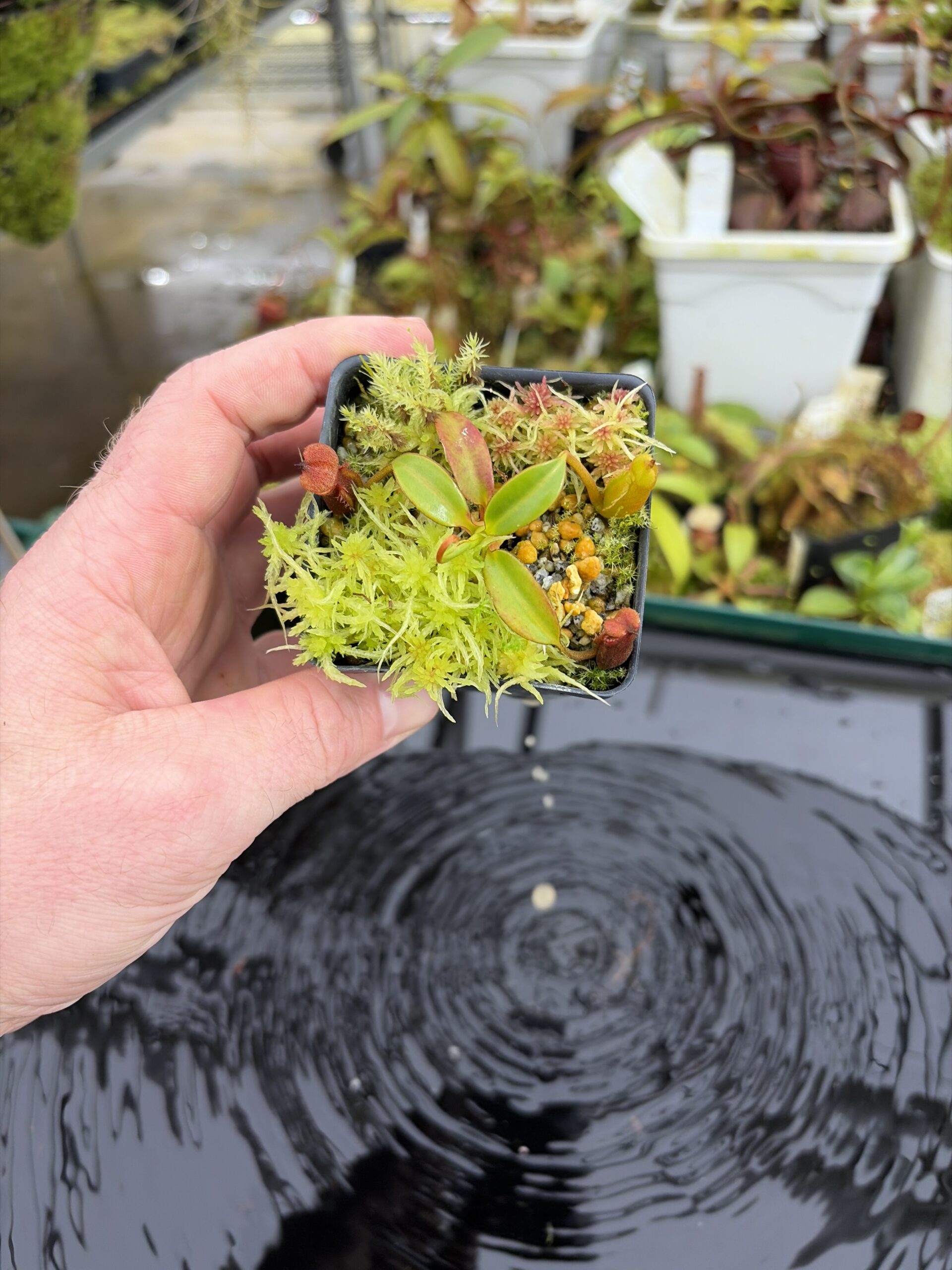
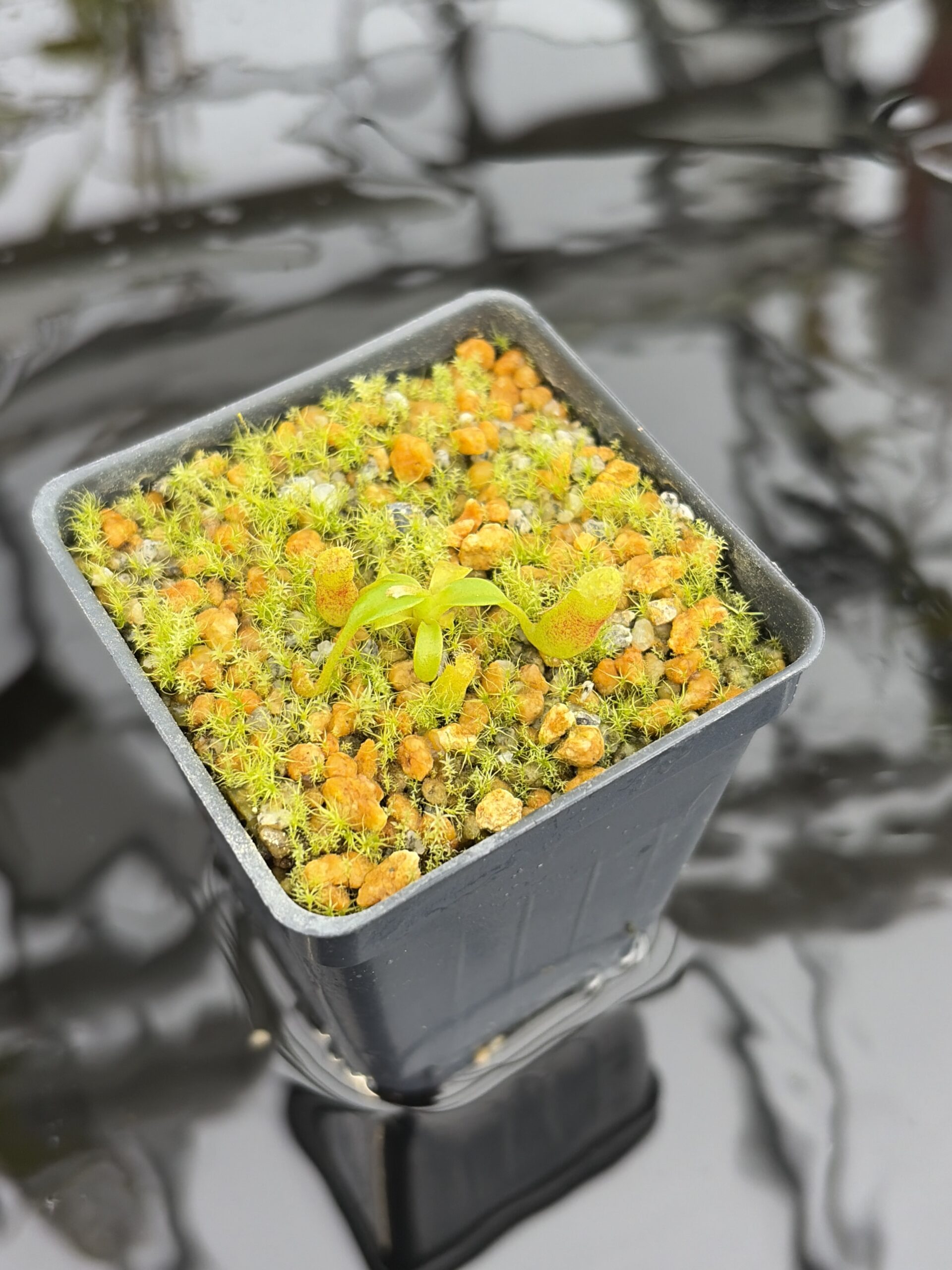
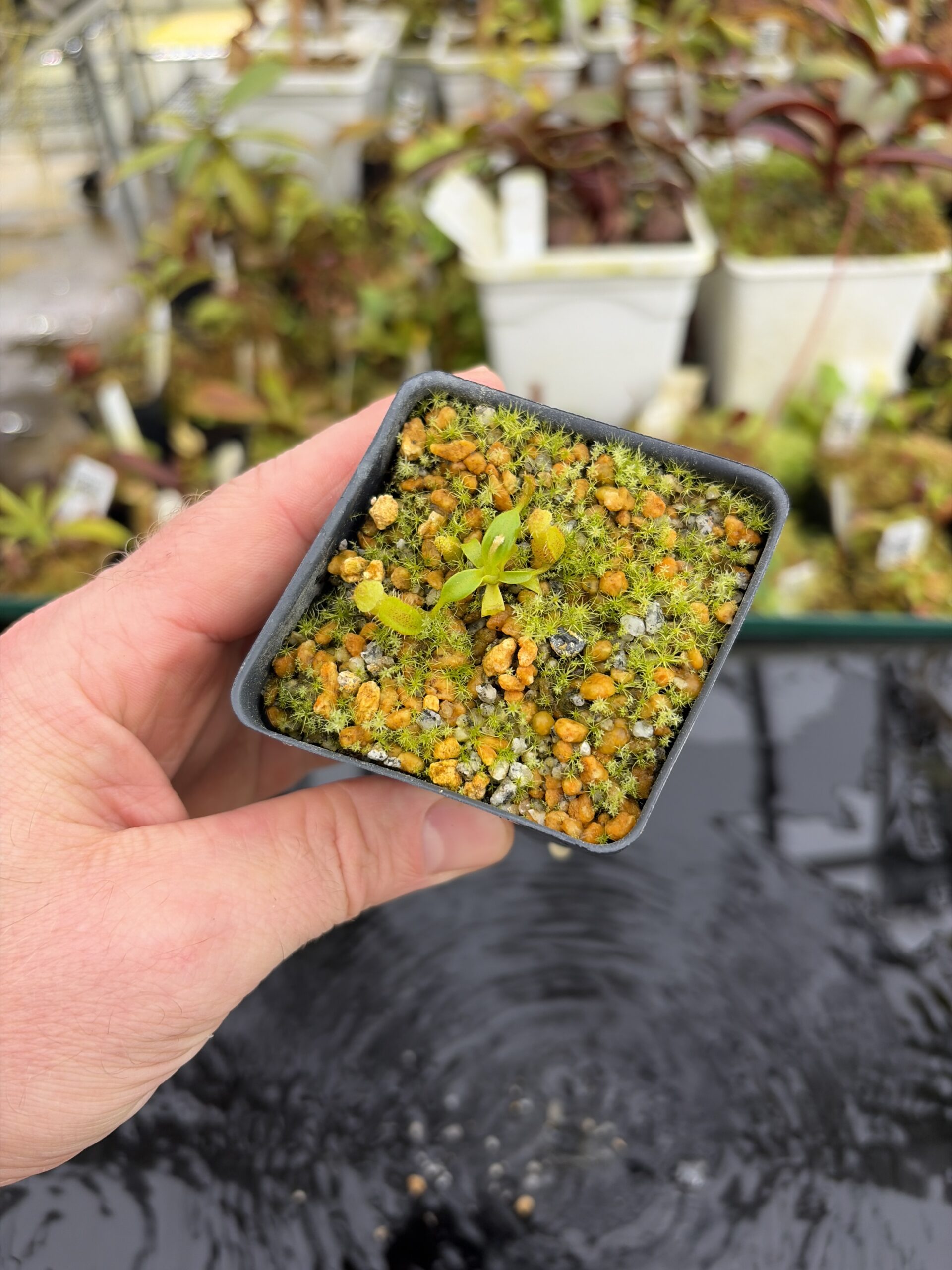
5 specimens in stock, $134.99 to $557.99. Each photo shows the exact plant you receive.

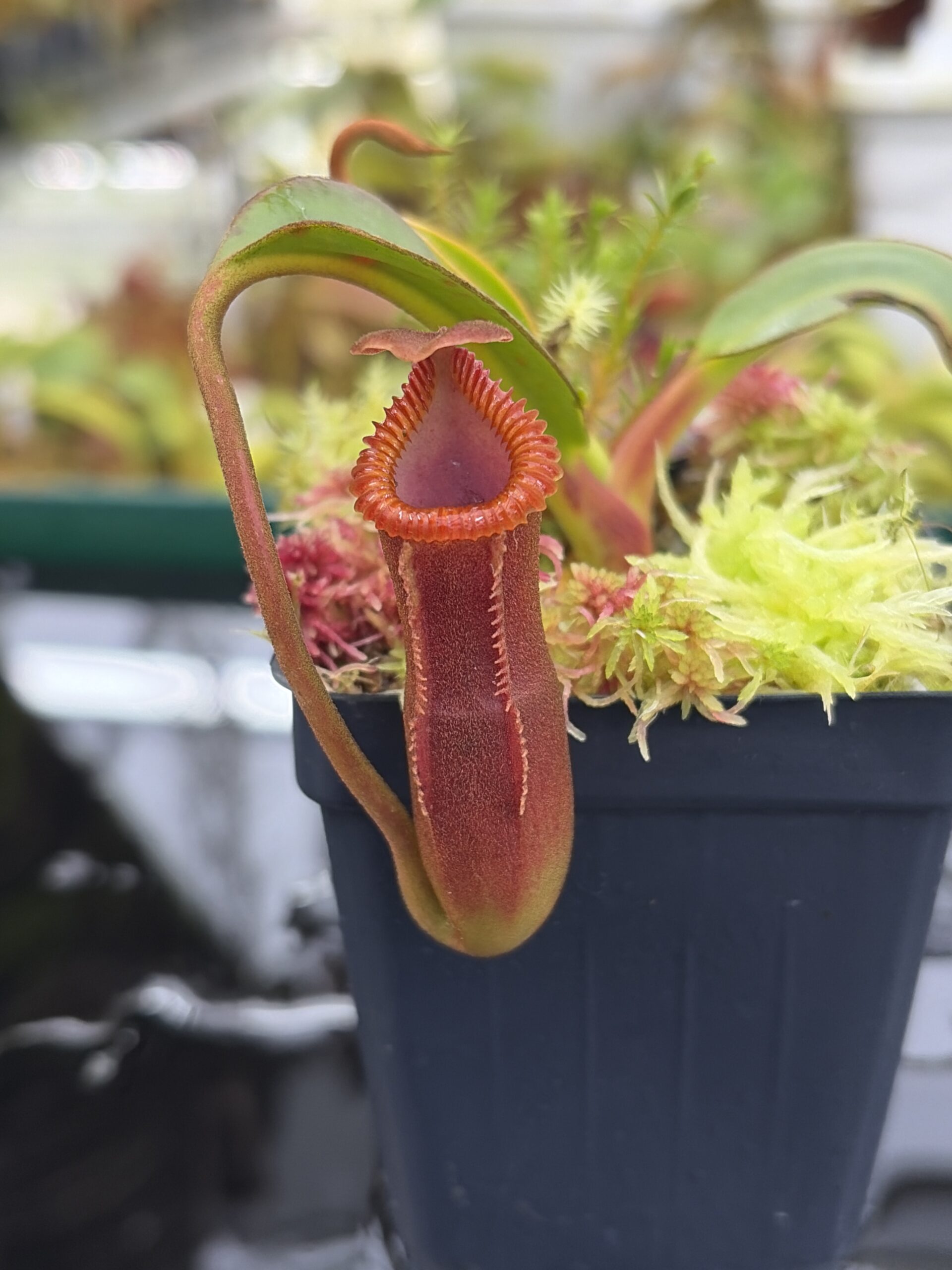
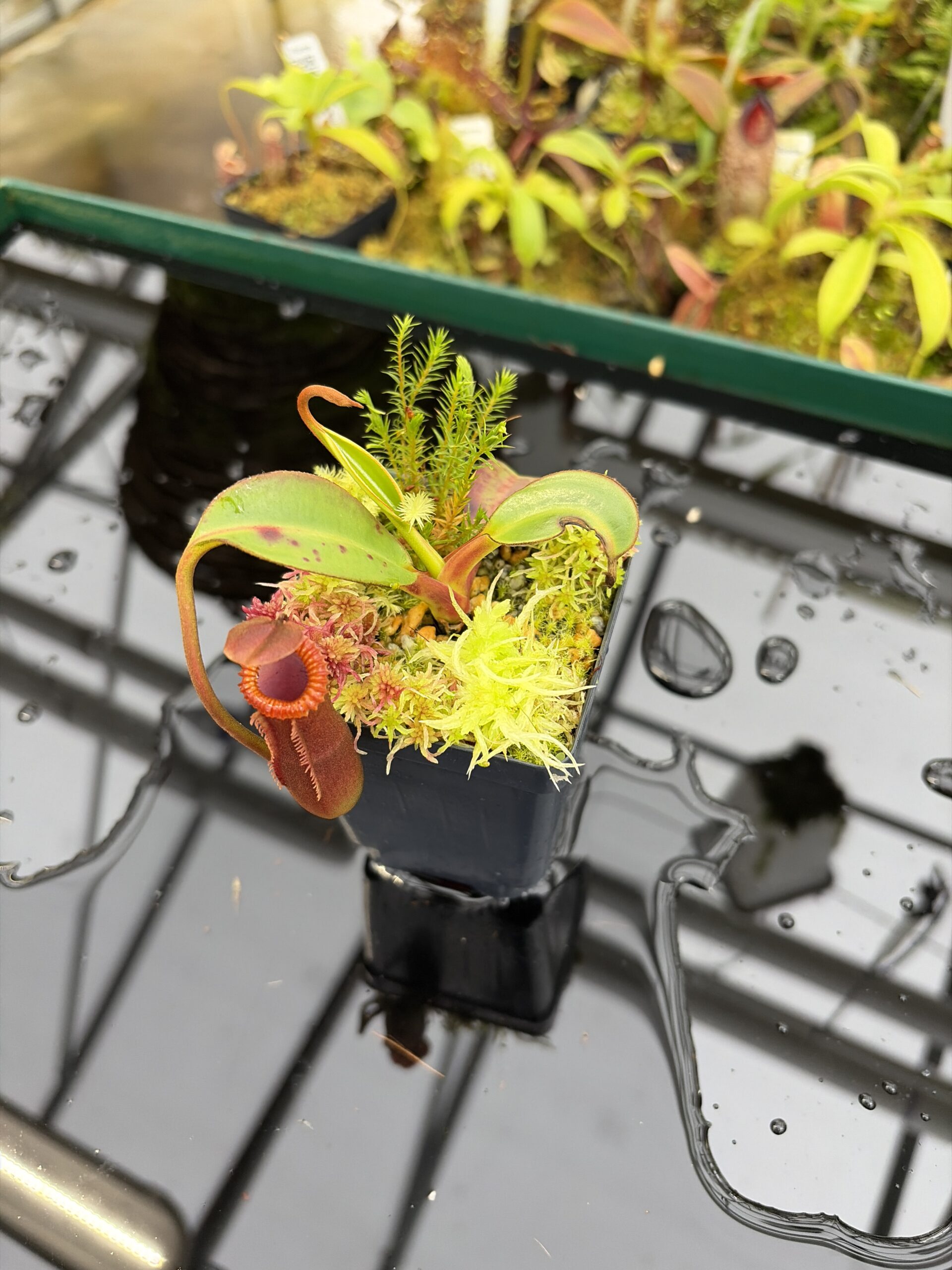
Nepenthes edwardsiana, Tamb., Clone 05, specimen H27116
Small · Clone 05 · Andreas Wistuba
Choose a specimen

$326.99 $319.99

Size
Small
Clone
Clone 05
Locality
Mount Tambuyukon, Sabah, Borneo
Breeder
Andreas Wistuba
Producer code
AW-05
Conditions
Highland
Propagation
Tissue Culture
Specimen
H27116

Nepenthes edwardsiana

A Kinabalu Park highland species with tall pitchers and one of the most refined, closely ribbed peristomes in the genus.

Nepenthes edwardsiana is endemic to the highland slopes of Mount Kinabalu and neighboring Mount Tambuyukon, at 1,500 to 2,700 m. It grows mostly as an epiphyte in dense, cloud-soaked mossy forest on ridge tops, and sometimes on moss-covered rock, largely over ultramafic soils. Every known population sits inside Kinabalu Park. Hugh Low and Spenser St. John collected it on Kinabalu in 1858, and Joseph Hooker published it the following year under Low's name, honouring George Edwardes, Governor of Labuan. It is listed as Vulnerable.

The upper pitchers are tall, slightly constricted about the middle, usually around 30 cm and occasionally more than 50 cm, and finished with a peristome of closely spaced, high ribs that is among the most refined in the genus. Color runs from light yellow to dark red, with a usually white interior, under a heart-shaped lid without appendages. It is closely related to N. villosa and N. macrophylla, and can be told apart from both by its more elongated, less hairy pitchers. Where it meets N. villosa, the two form the natural hybrid N. ×harryana.

Specimens available now

Learn more about this plant

Localities

Nepenthes edwardsiana from Mount Tambuyukon

N. edwardsiana from Mount Tambuyukon, Kinabalu's neighbor in Kinabalu Park, where it is said to grow some of its longest pitchers.

Mount Tambuyukon lies north of Mount Kinabalu, inside Kinabalu Park, and its summit reaches about 2,579 m. The park's ultramafic outcrops carry several Nepenthes found nowhere outside it, including N. edwardsiana, N. burbidgeae, N. rajah and N. villosa, and all 4 grow on Tambuyukon. Here the usual order is reversed: N. villosa is commoner lower down, at 1,600 to 1,900 m, and N. rajah replaces it toward the summit. In their book Pitcher-Plants of Borneo, Phillipps and Lamb wrote that edwardsiana plants in the bamboo forest on Tambuyukon produce some of the longest and finest pitchers of the species, strongly waisted and pink to reddish orange.

Breeders

Jeremiah Harris

Colorado Springs grower and hybridizer, founder of the Colorado Carnivorous Plant Society, and breeder of 'Leviathan'.

Jeremiah Harris grows and breeds Nepenthes in Colorado Springs, and he founded the Colorado Carnivorous Plant Society in 2003. Among his crosses is 'Leviathan', a cross of N. rajah and N. peltata that he first made in 2008. According to Guinness World Records, the name refers both to the biblical sea monster and to his brother Levi, and a male 'Leviathan' plant sold to an anonymous buyer for $4,500 in July 2019. Other growers have since used 'Leviathan' in crosses of their own.

Andreas Wistuba

German botanist and nurseryman who has described more than half of all known Heliamphora and many Nepenthes.

Andreas Wistuba is a German botanist from Maselheim who specializes in carnivorous plants. He is credited with describing more than half of all known Heliamphora species, among them H. hispida, H. folliculata and H. chimantensis, and in 2024 he co-described H. electrum. With Joachim Nerz and others he co-described Nepenthes including N. talangensis, N. flava and N. undulatifolia.

His nursery says that it has been in business for more than 25 years. It runs its own propagation laboratory and keeps a gene bank of rare species and forms.

Care

Growing highland Nepenthes

Cool nights, mild days, high humidity and steady airflow, the mountain cloud forest that most of our Nepenthes come from.

Highland Nepenthes grow in montane forest where nights cool down sharply after mild days. Aim for nights about 50 to 55 F (10 to 13 C), days 70 to 78 F (21 to 26 C), humidity above 70 to 80 percent, bright filtered light and constant airflow. The night drop is what highland plants need most; a warm room at night slows them down.

Grow them in an open, airy mix that drains fast, such as long-fiber sphagnum with perlite or bark, and keep it evenly moist with pure water (rain, distilled or reverse osmosis). Never let the pot sit in water for long.

New plants settle in over a few weeks; keep conditions steady while they do. The pitchers catch their own food, so fertilizer, if any, should be light and occasional.