
Nepenthes mollis × eymae

#1

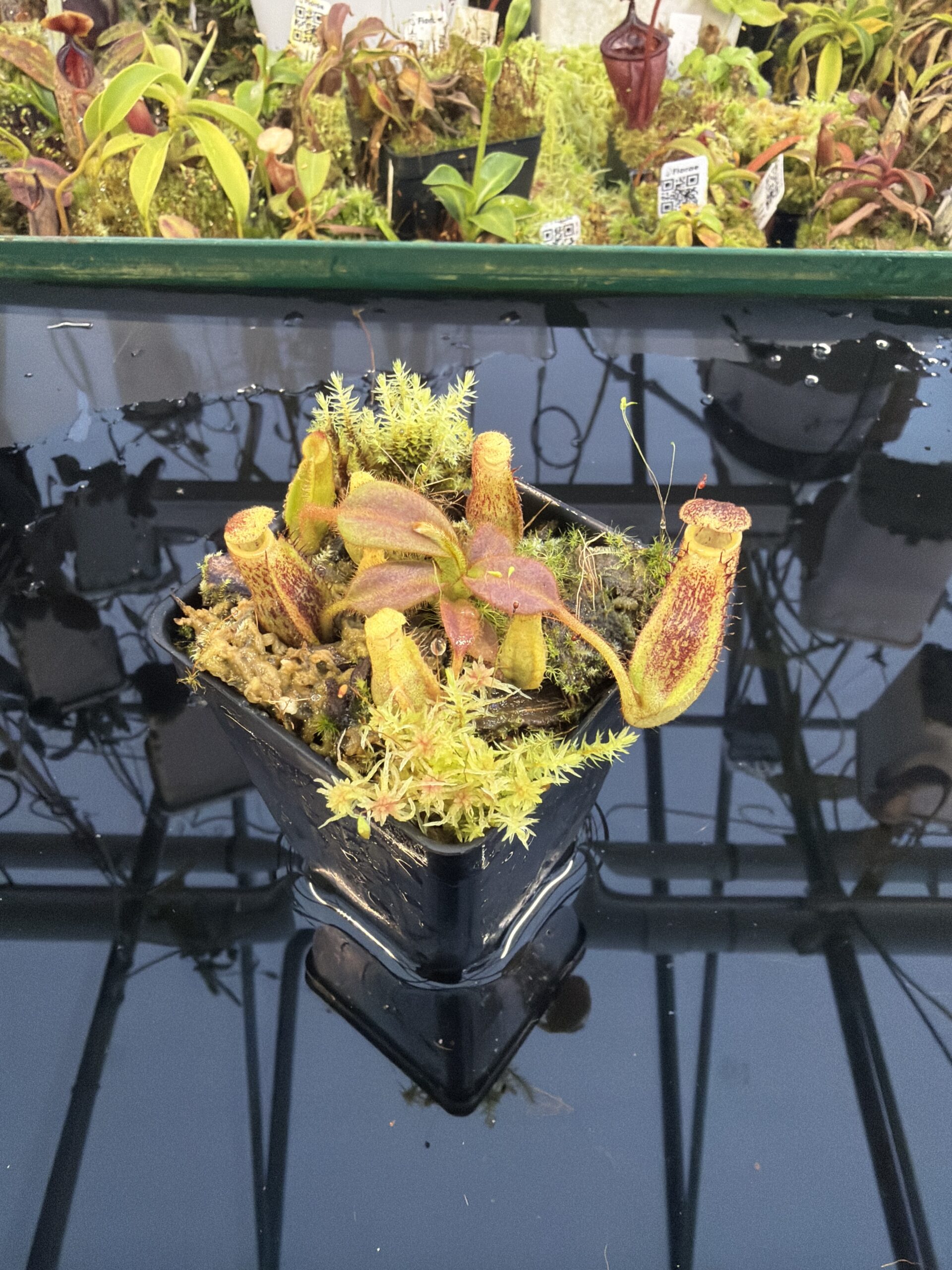
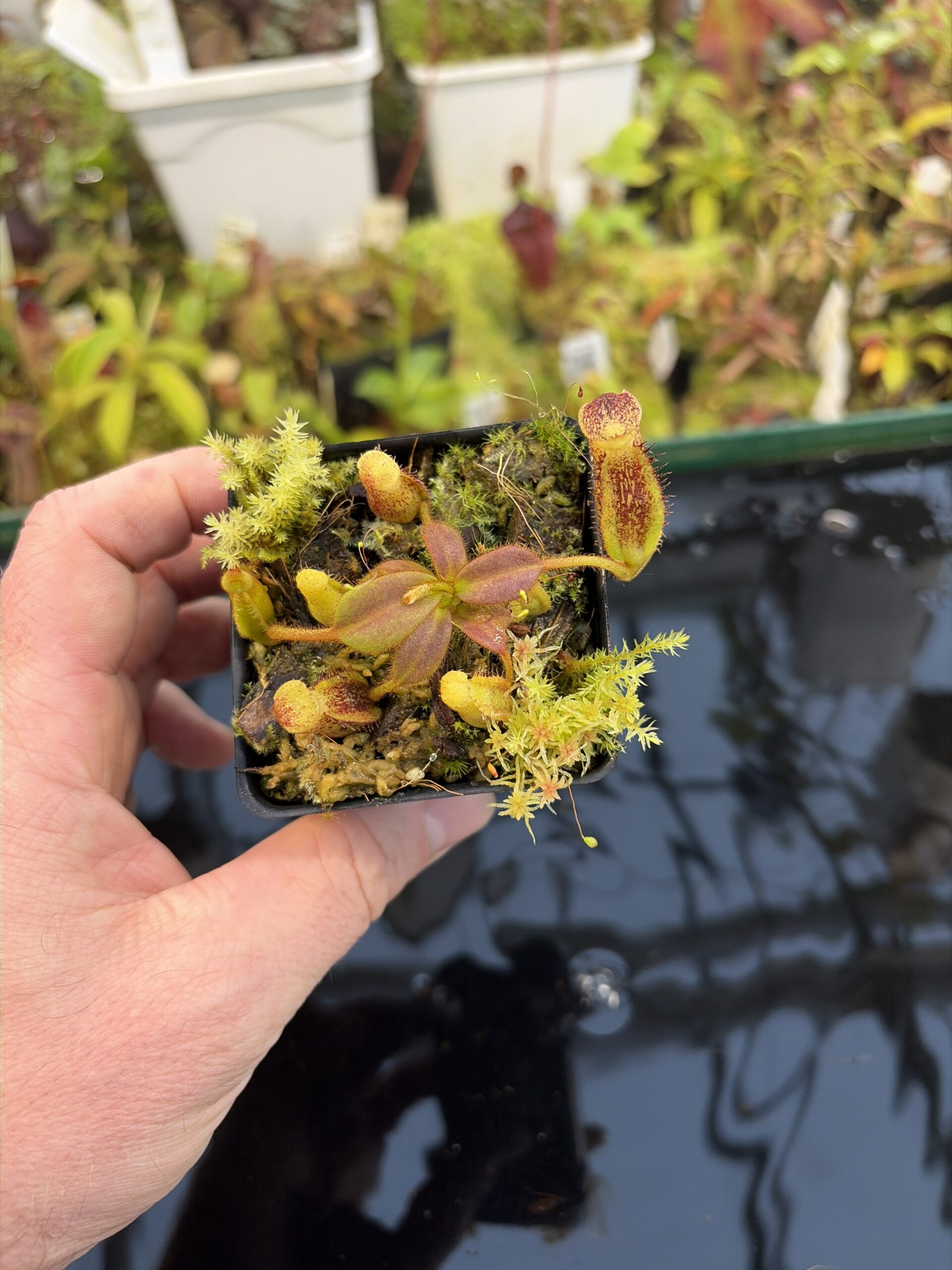
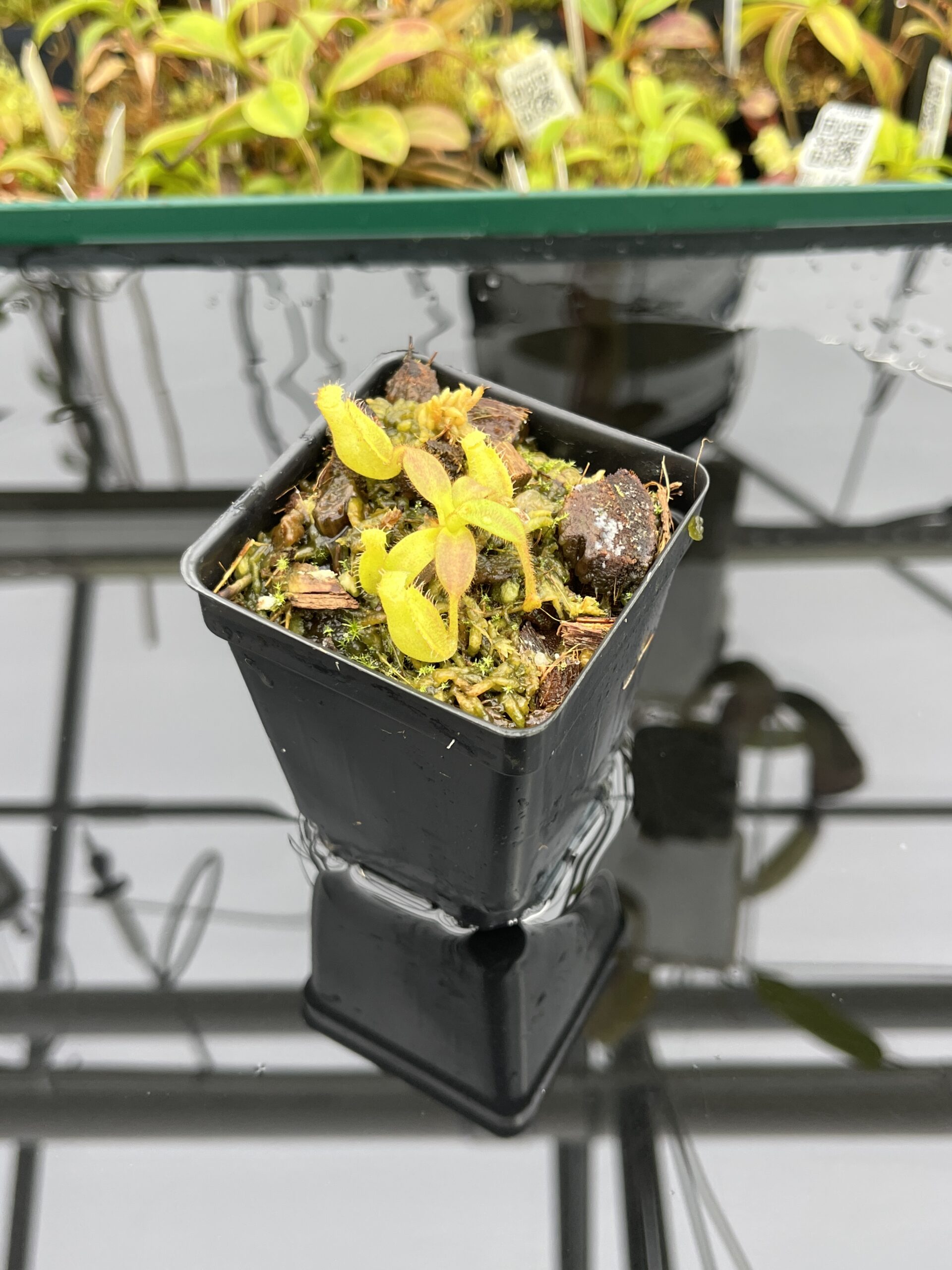
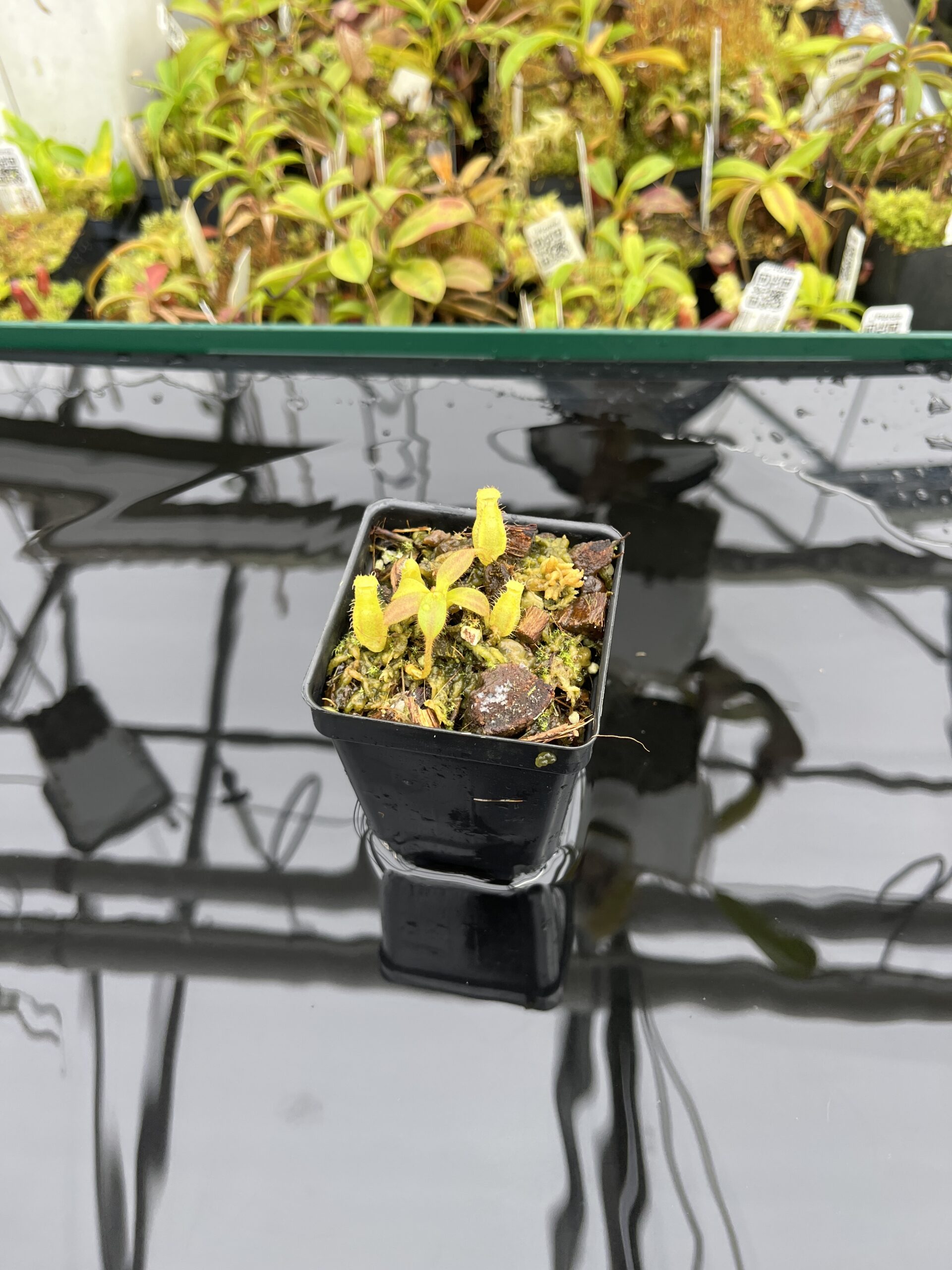
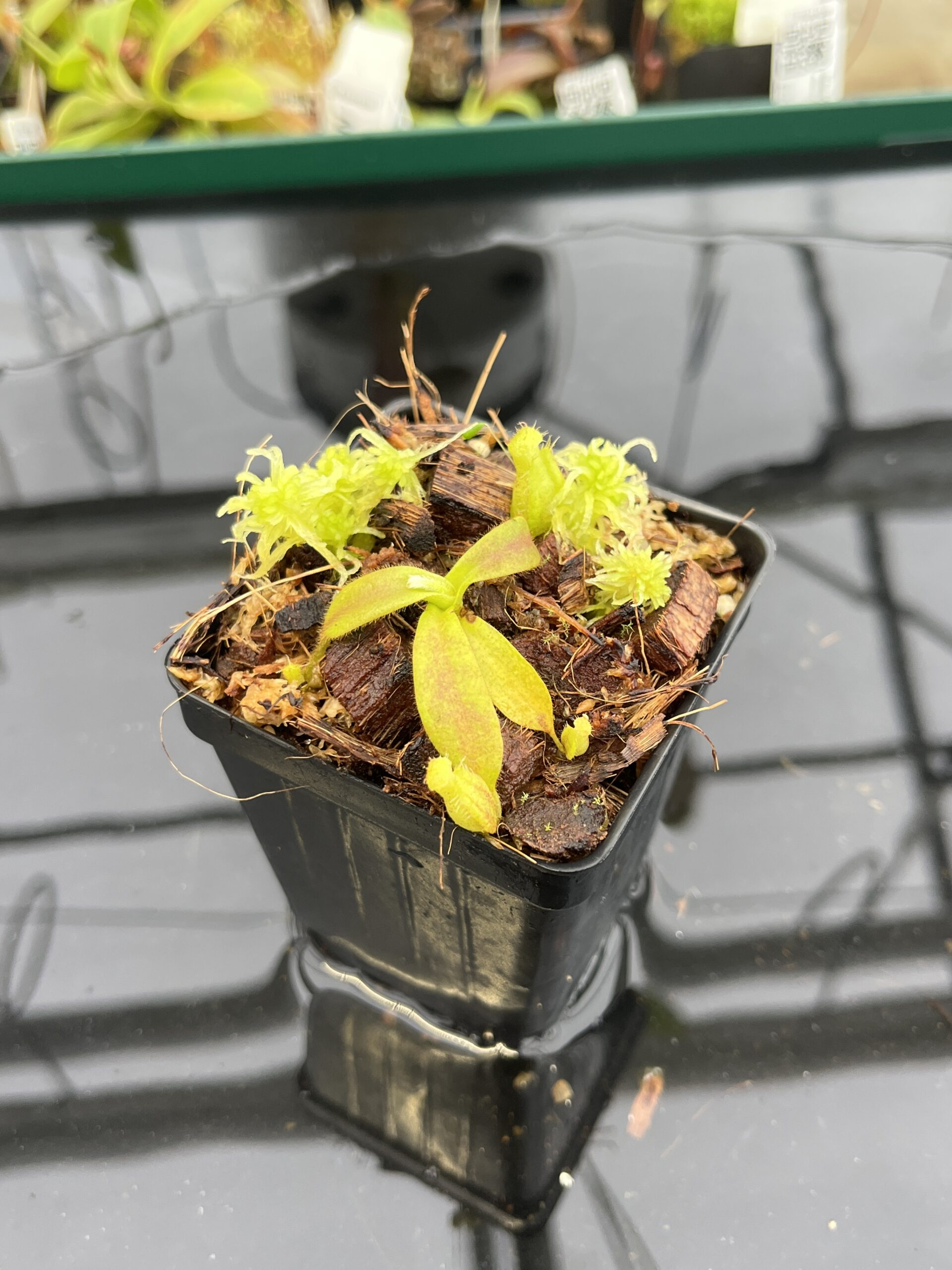
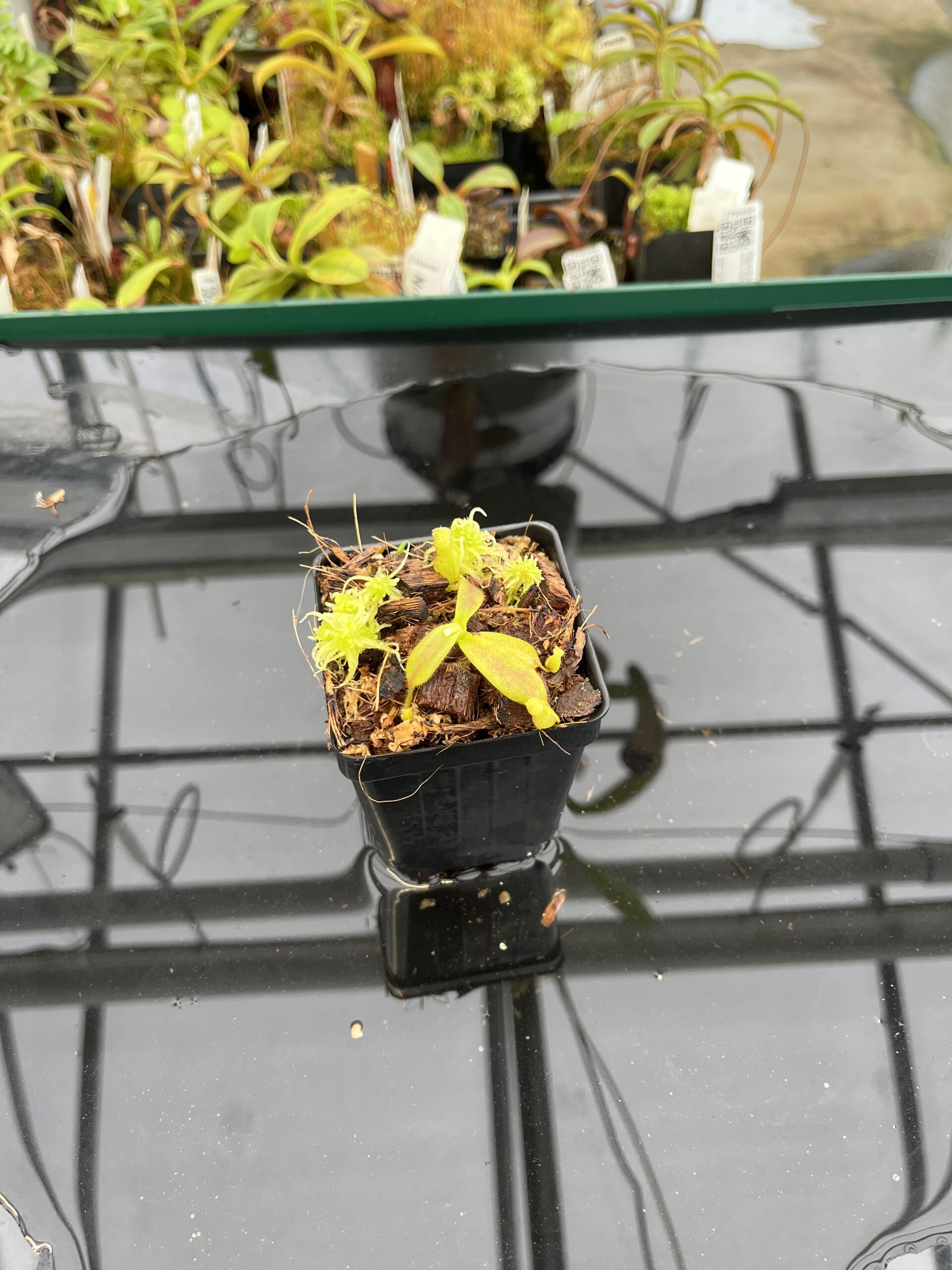
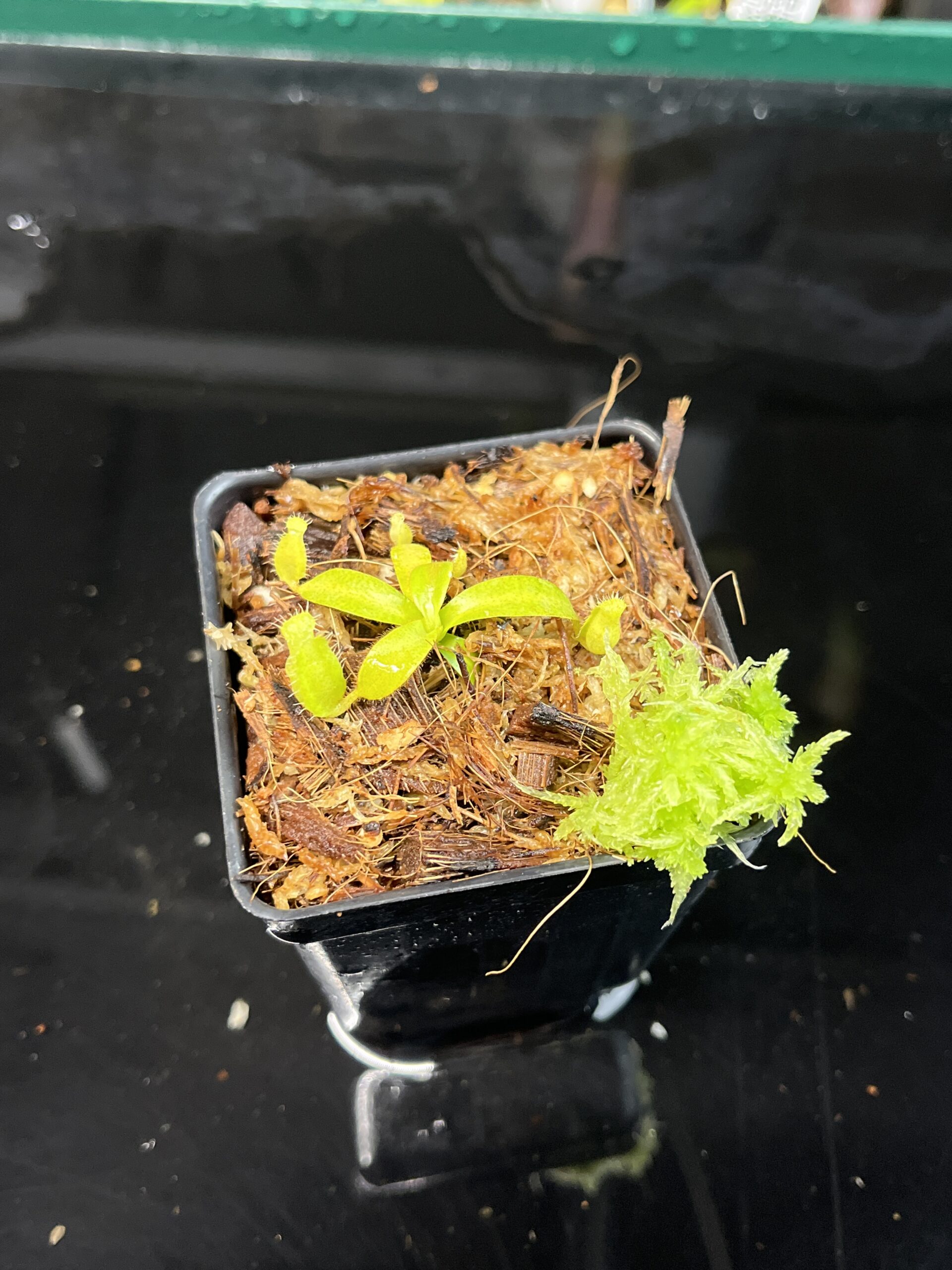
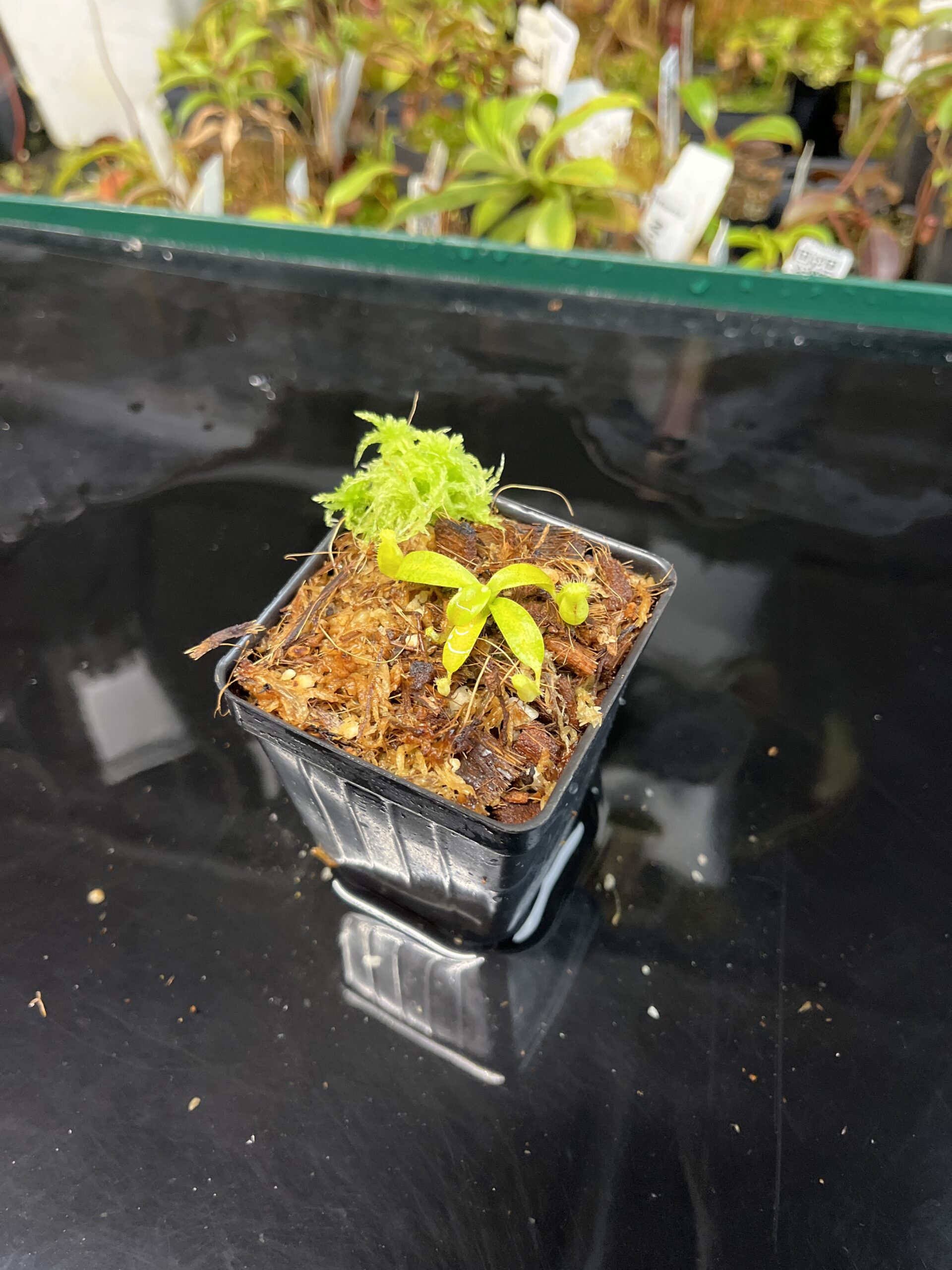
4 specimens in stock, $46.99 to $106.24. Each photo shows the exact plant you receive.

Nepenthes mollis × eymae, #1, Assorted Clones, specimen H22801
Small · Assorted Clones · Michael Kevin Smith
Choose a specimen

$46.99

Size
Small
Clone
Assorted Clones
Locality
N/A
Breeder
Michael Kevin Smith
Producer code
MKS-440
Conditions
Highland
Propagation
Tissue Culture
Specimen
H22801

Nepenthes mollis × eymae

Borneo's velvety N. mollis crossed with Sulawesi's N. eymae, known for its wine-glass upper pitchers.

Borneo meets Sulawesi. Nepenthes mollis was described in 1928 from a single specimen collected on Mount Kemul in East Kalimantan, at about 1,800 m; a 2019 study of the relocated type population showed that N. hurrelliana is the same species, so it is now known across highland northern Borneo. Nepenthes eymae is endemic to Central and West Sulawesi, growing mostly terrestrially from about 1,000 m to at least 2,000 m, typically above 1,400 m. Kurata described N. eymae in 1984, four days before the same plant was published as N. infundibuliformis.

N. mollis brings a dense red-brown indumentum and a notably tall neck on its pitchers. N. eymae brings wine-glass upper pitchers, narrow at the base and broadly flared above, with a glossy peristome, orange to red on some upper pitchers and reddish brown to black on older plants, and soft orange to red-brown hairs. Both parents carry soft, reddish hair. Documentation on this cross is limited, so expect individual character.

Specimens available now

Learn more about this plant

Parents

Nepenthes mollis

A velvet-coated highland Nepenthes of northern Borneo, described in 1928 without pitchers and matched to N. hurrelliana after Endert's site was finally revisited in 2018.

Nepenthes eymae

A Sulawesi highland species from 1,000 to over 2,000 m, best known for its yellow, wine-glass-shaped upper pitchers and dark peristome.

Care

Growing highland Nepenthes

Cool nights, mild days, high humidity and steady airflow, the mountain cloud forest that most of our Nepenthes come from.

Highland Nepenthes grow in montane forest where nights cool down sharply after mild days. Aim for nights about 50 to 55 F (10 to 13 C), days 70 to 78 F (21 to 26 C), humidity above 70 to 80 percent, bright filtered light and constant airflow. The night drop is what highland plants need most; a warm room at night slows them down.

Grow them in an open, airy mix that drains fast, such as long-fiber sphagnum with perlite or bark, and keep it evenly moist with pure water (rain, distilled or reverse osmosis). Never let the pot sit in water for long.

New plants settle in over a few weeks; keep conditions steady while they do. The pitchers catch their own food, so fertilizer, if any, should be light and occasional.