
Nepenthes trusmadiensis

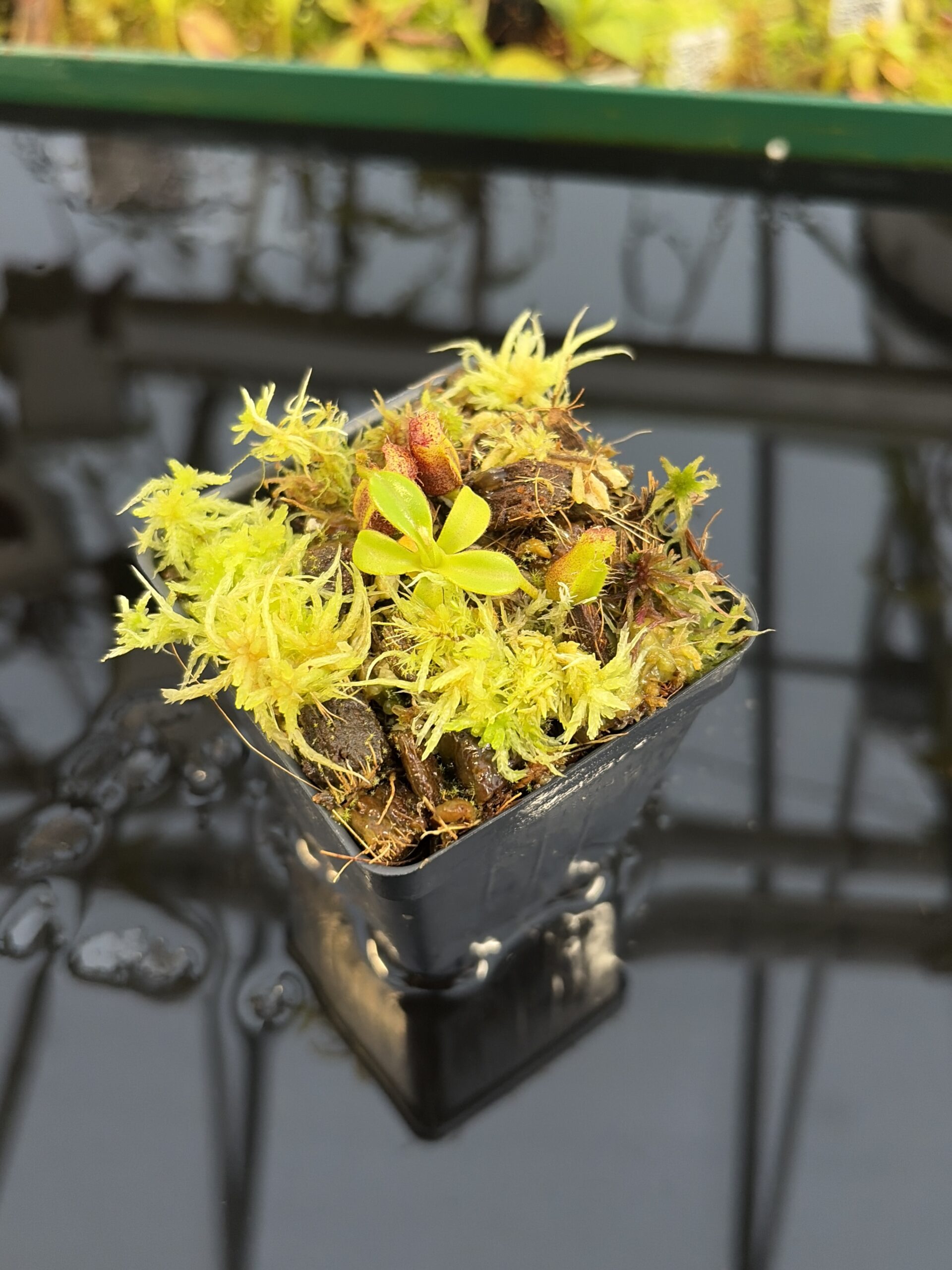
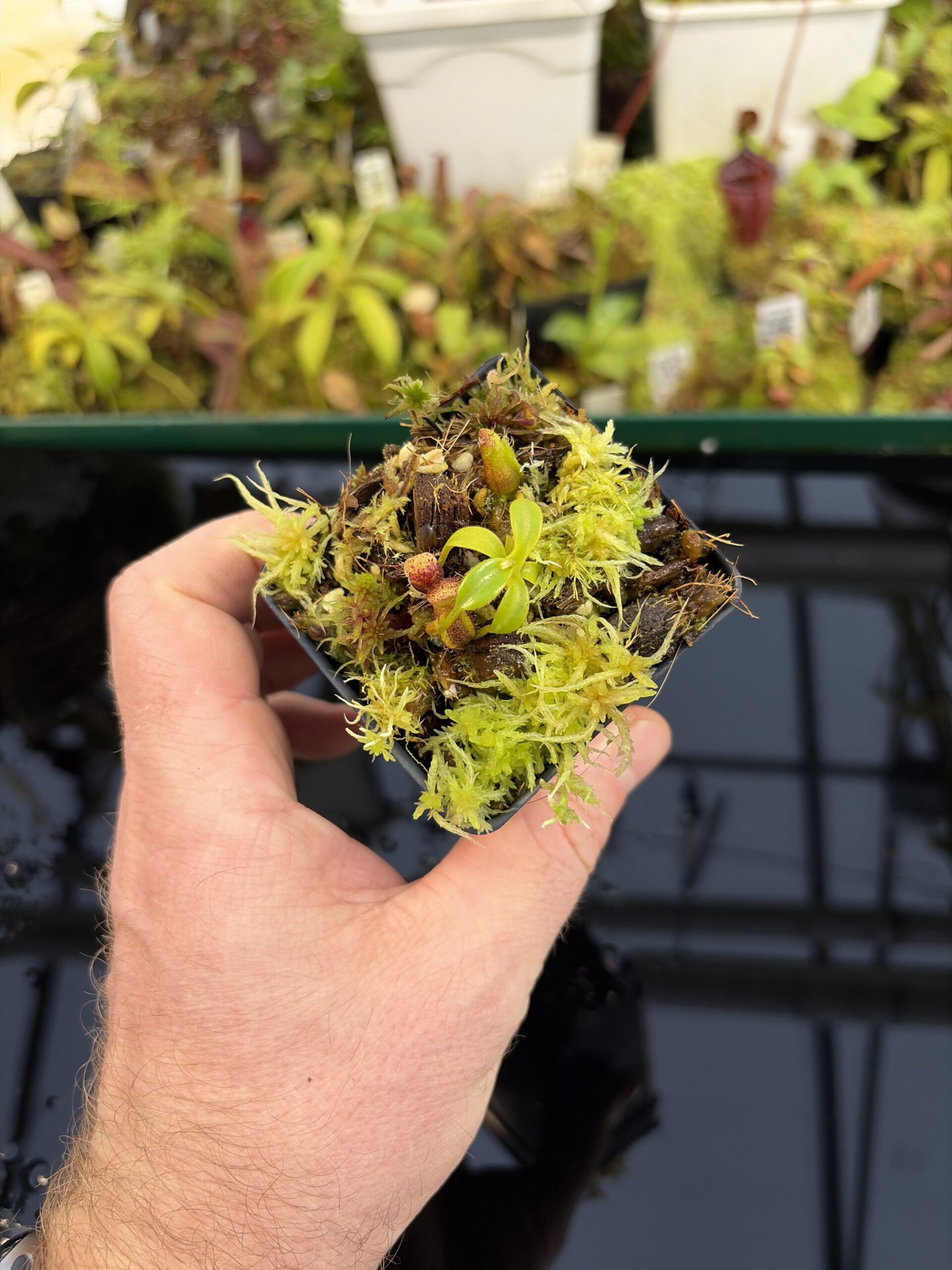
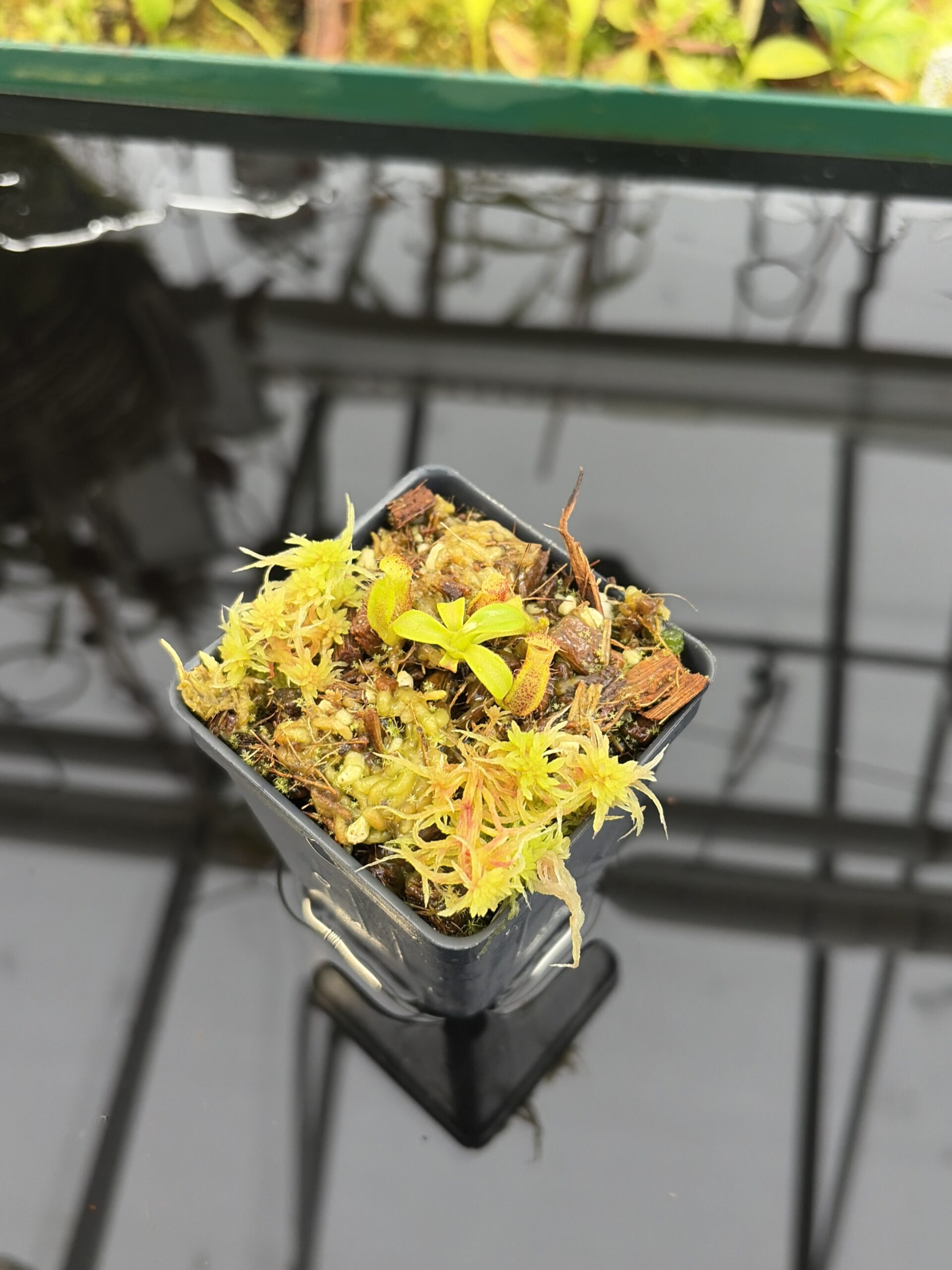
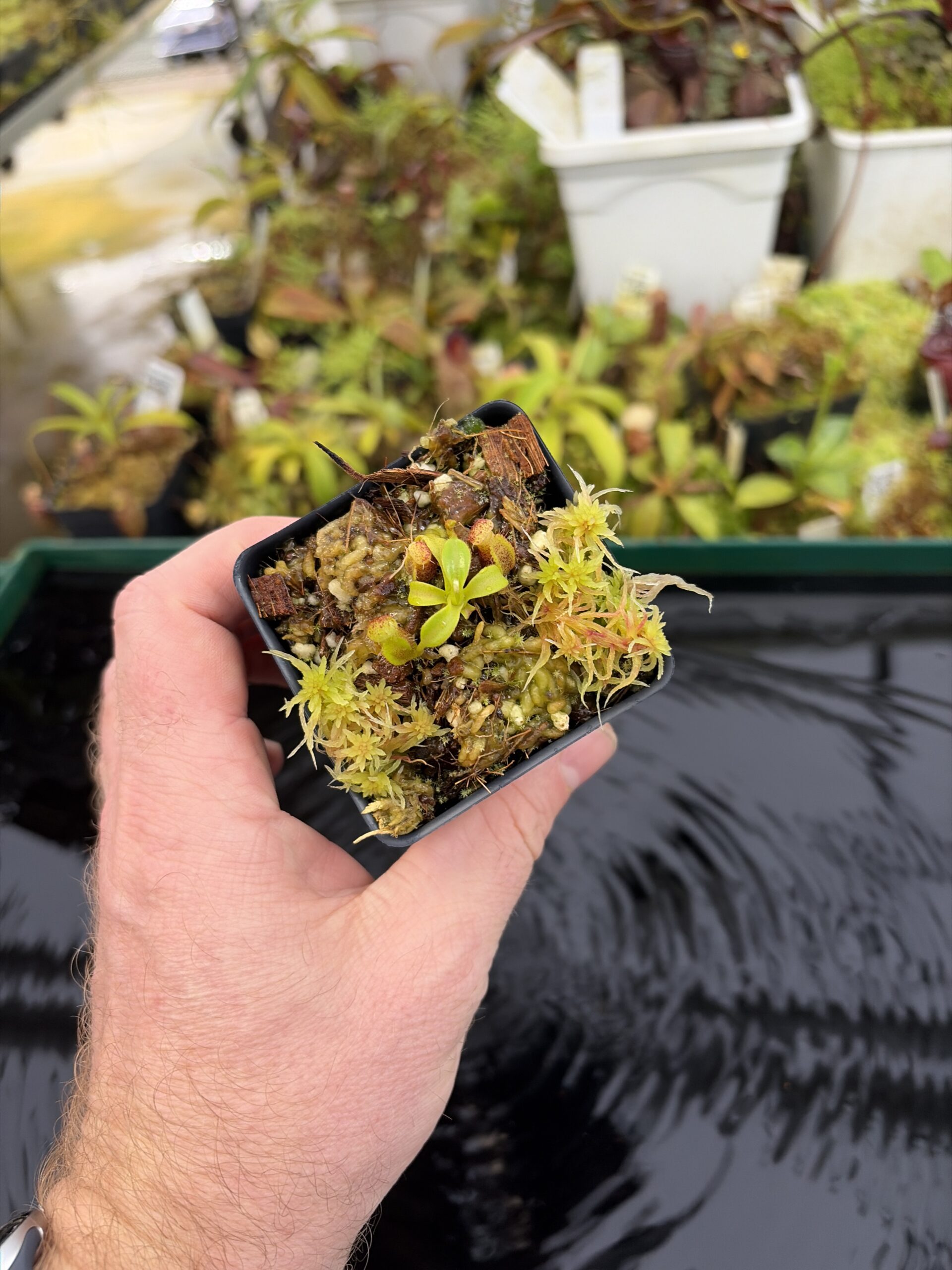
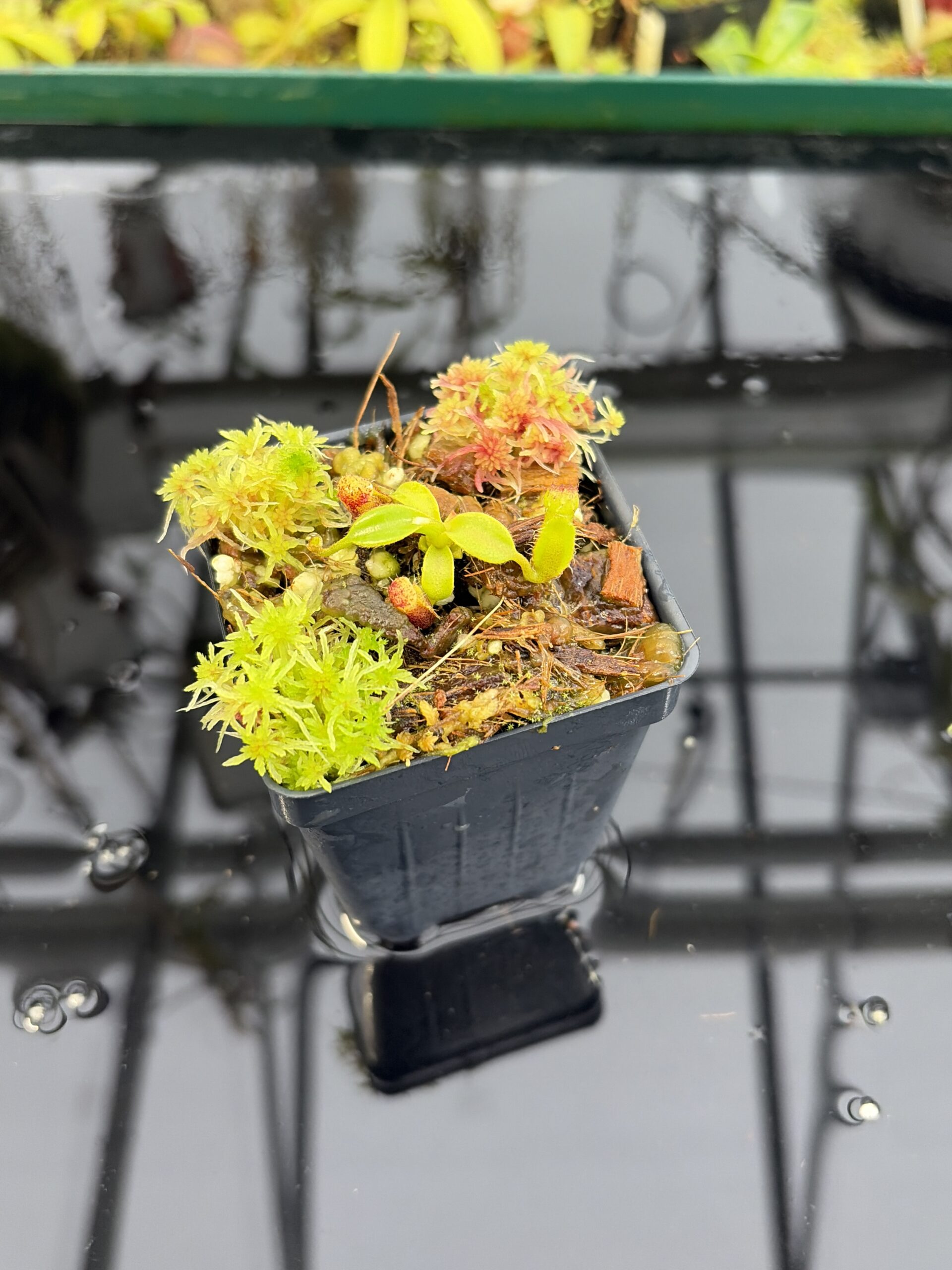
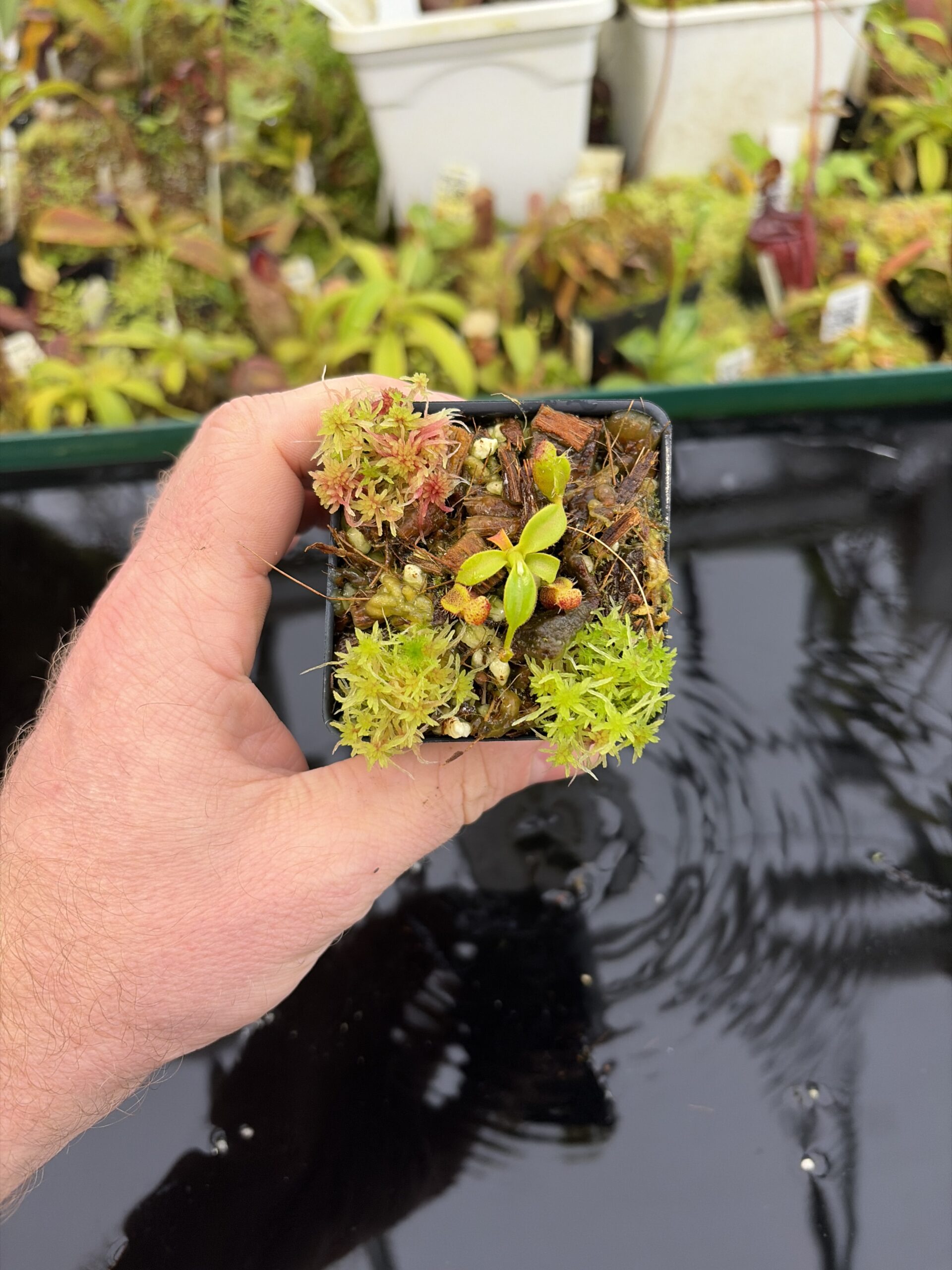
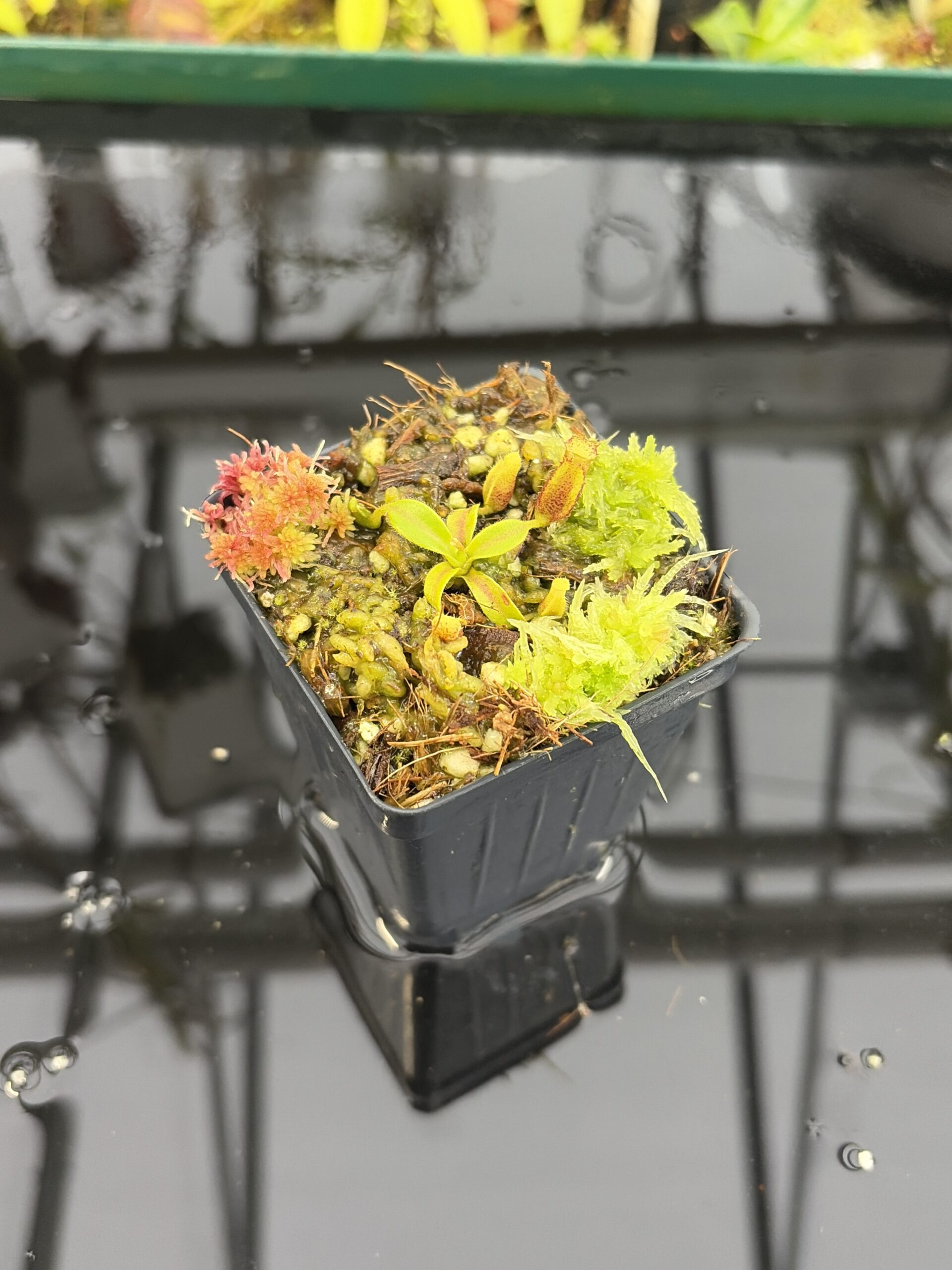
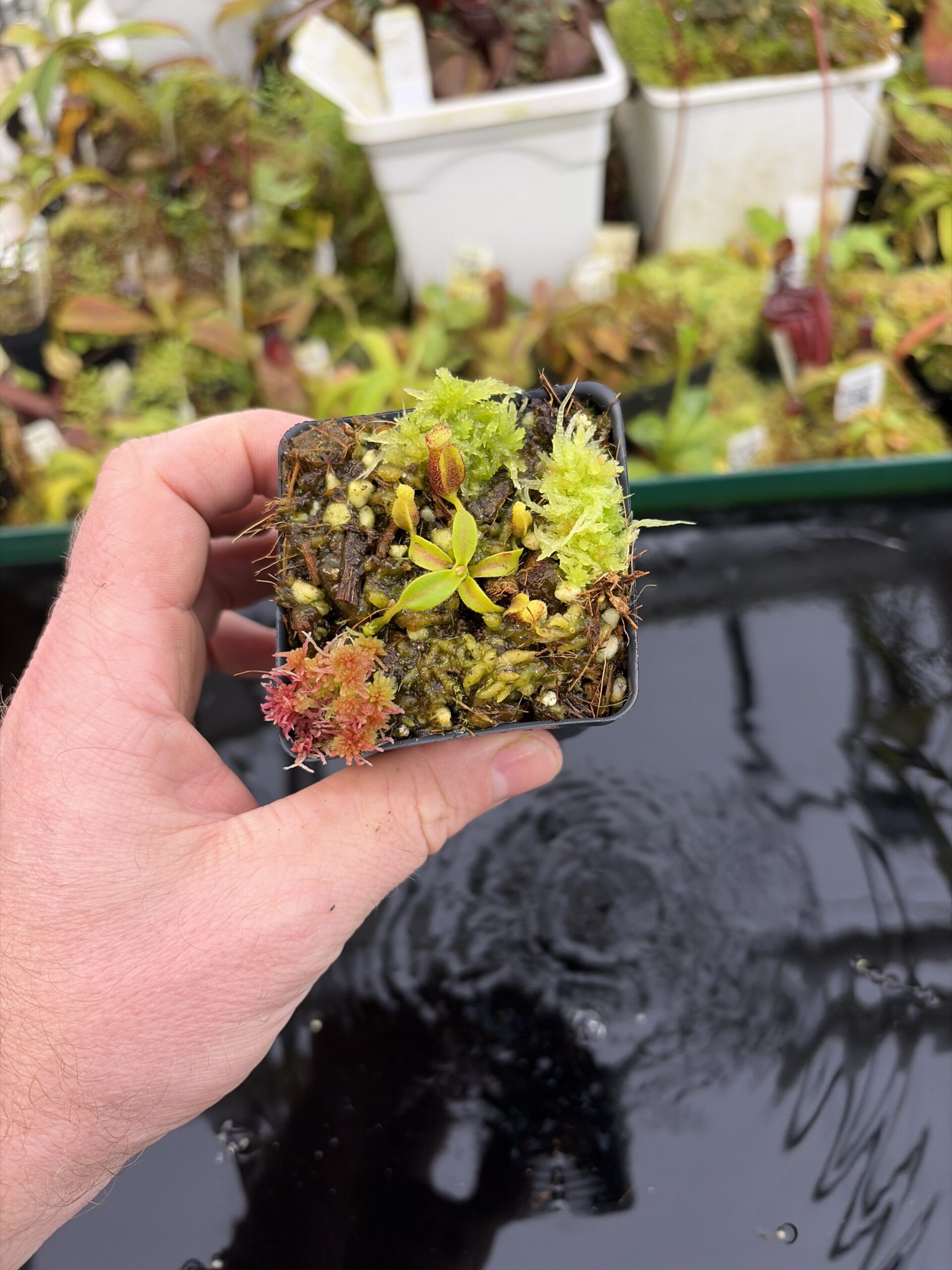
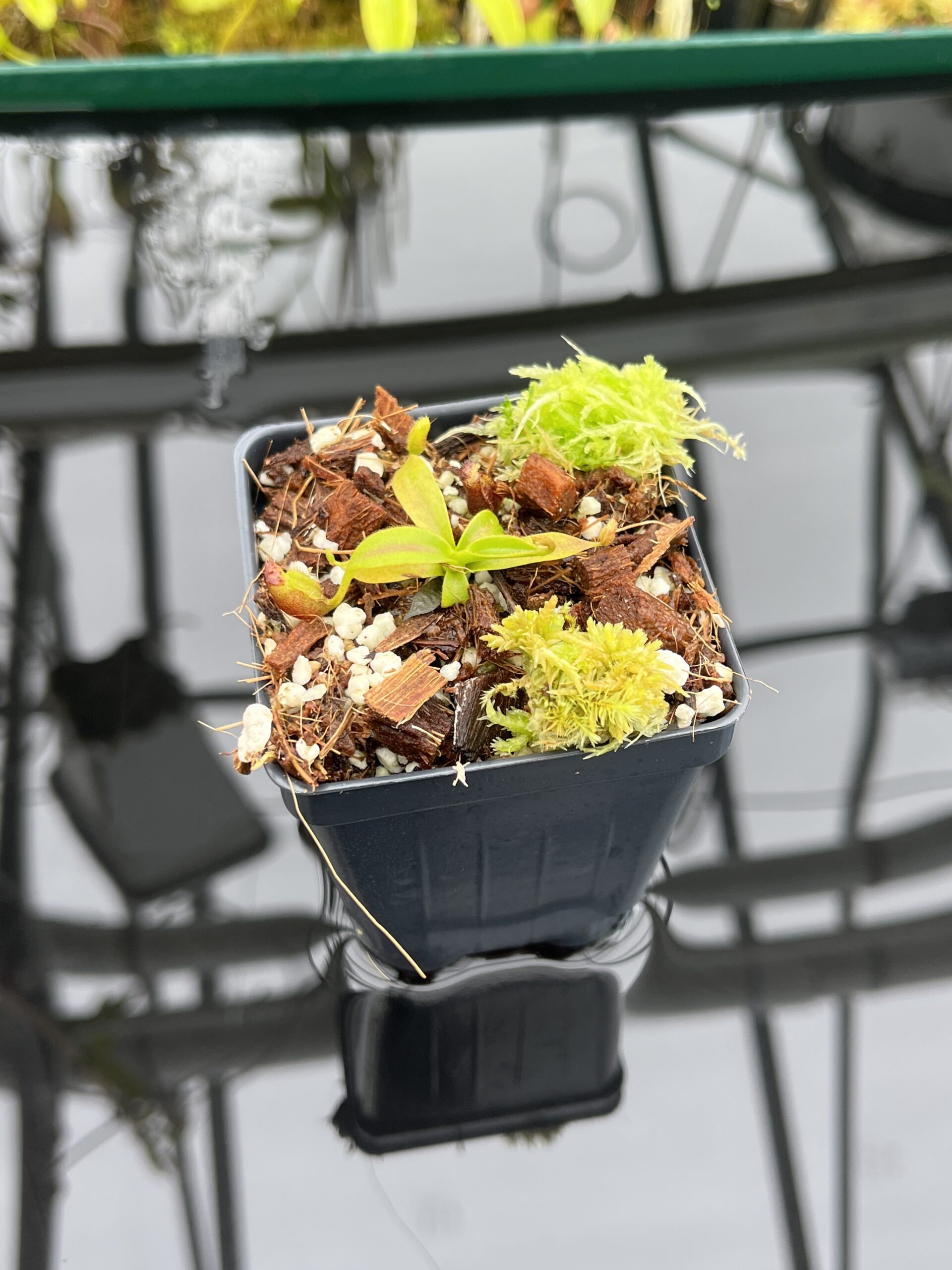
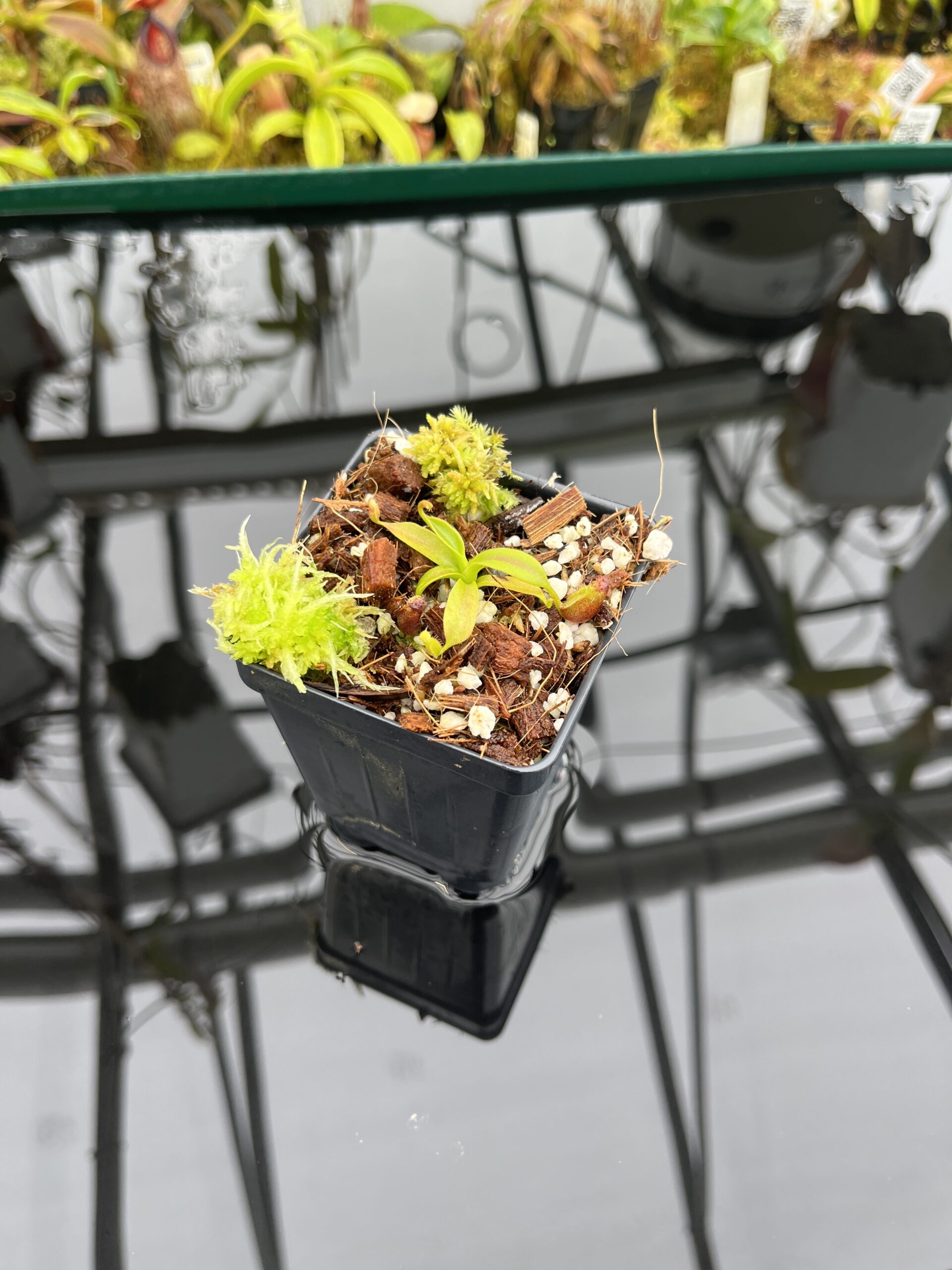
5 specimens in stock, $109.99 to $124.99. Each photo shows the exact plant you receive.

Nepenthes trusmadiensis, specimen H27706
Extra Small · Florae
Choose a specimen

$124.99 $119.99

Size
Extra Small
Locality
N/A
Breeder
Florae
Producer code
FC-144.01
Conditions
Highland
Propagation
Tissue Culture
Specimen
H27706

Nepenthes trusmadiensis

A natural hybrid of N. lowii and N. macrophylla found only on Mount Trus Madi, Sabah, with some of the largest pitchers of any Bornean Nepenthes.

Nepenthes ×trusmadiensis is a naturally occurring hybrid of N. lowii and N. macrophylla, found only on Mount Trus Madi in Sabah, Borneo. N. macrophylla is endemic to Trus Madi, and it is the only mountain where the two parents grow alongside each other. The hybrid has been recorded in upper montane forest on the summit ridge at 2,500 to 2,600 m, where both parents overlap. John Briggs and Johannes Marabini found it in 1983, and Marabini described it that same year; Briggs at first suspected N. edwardsiana as one of the parents. It is listed as Critically Endangered.

It produces some of the largest pitchers of any Bornean Nepenthes, up to about 35 cm, on leaves up to 50 cm long. The cross takes the best structural traits from each side. From N. lowii it inherits the flared, waisted upper pitcher and a lid held away from the mouth with bristles on its underside. From N. macrophylla it takes a substantial, ribbed peristome with pronounced teeth, though less developed than in N. macrophylla itself.

Specimens available now

Learn more about this plant

Care

Growing highland Nepenthes

Cool nights, mild days, high humidity and steady airflow, the mountain cloud forest that most of our Nepenthes come from.

Highland Nepenthes grow in montane forest where nights cool down sharply after mild days. Aim for nights about 50 to 55 F (10 to 13 C), days 70 to 78 F (21 to 26 C), humidity above 70 to 80 percent, bright filtered light and constant airflow. The night drop is what highland plants need most; a warm room at night slows them down.

Grow them in an open, airy mix that drains fast, such as long-fiber sphagnum with perlite or bark, and keep it evenly moist with pure water (rain, distilled or reverse osmosis). Never let the pot sit in water for long.

New plants settle in over a few weeks; keep conditions steady while they do. The pitchers catch their own food, so fertilizer, if any, should be light and occasional.