Nepenthes villosa

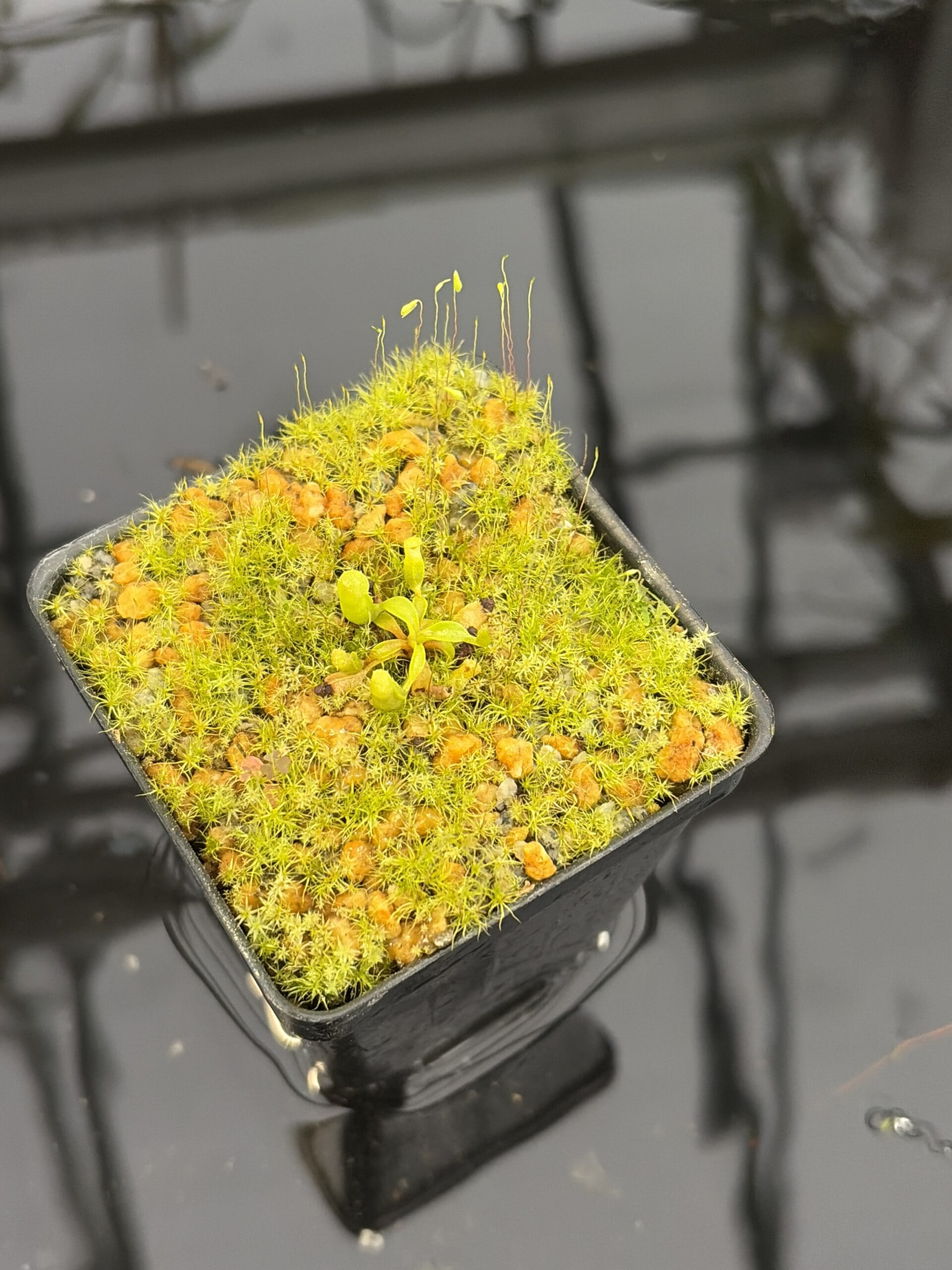
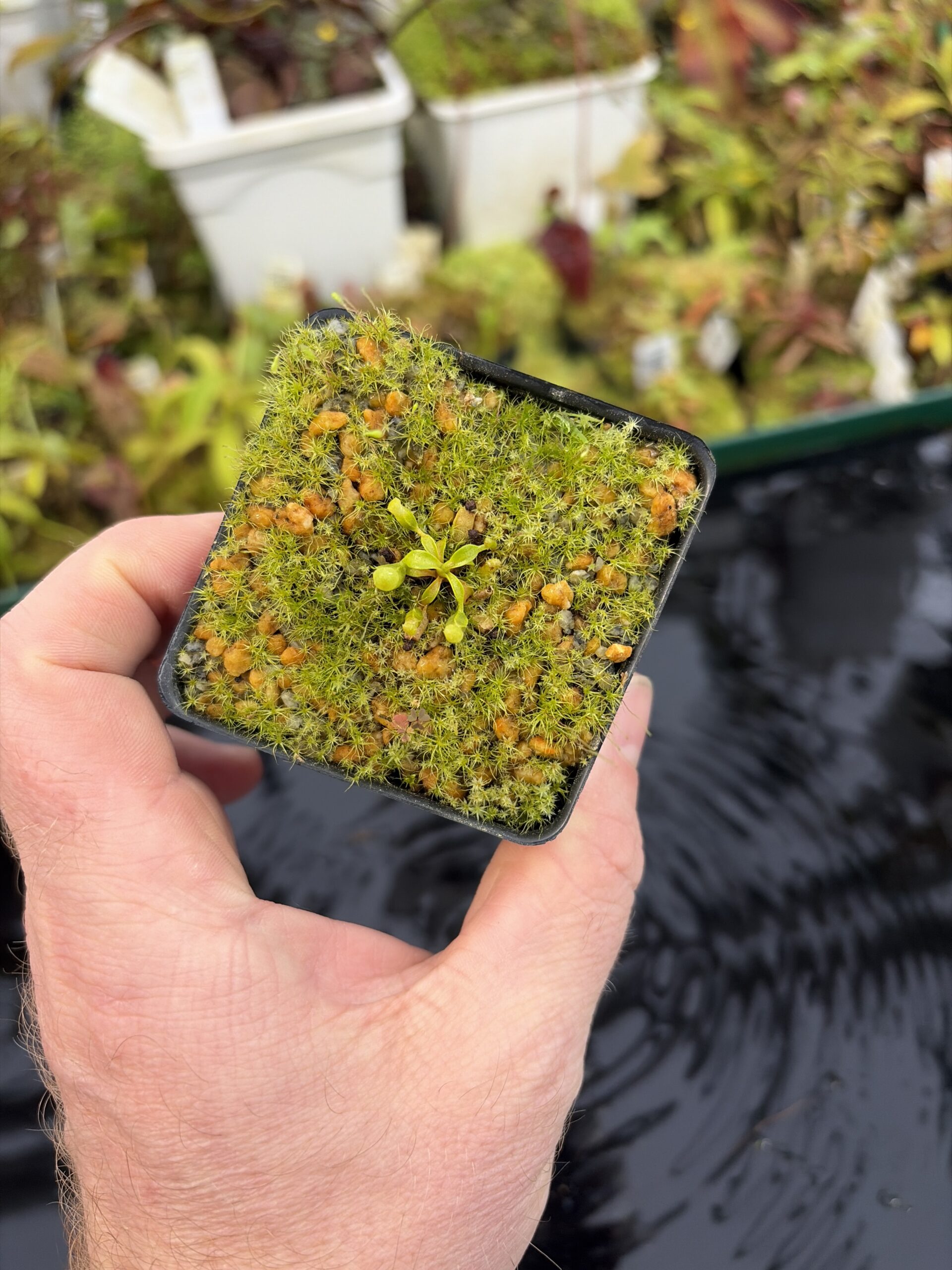
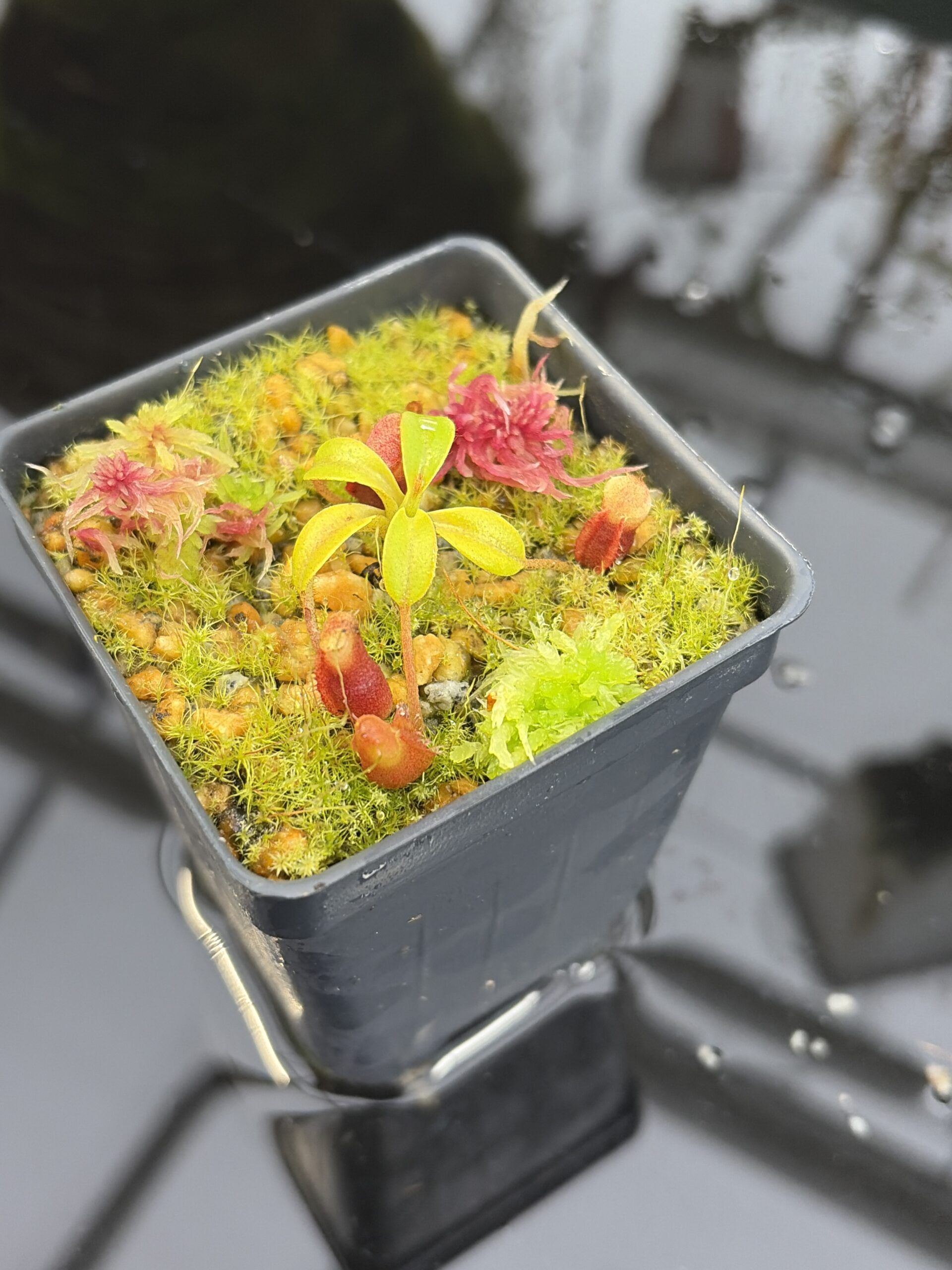
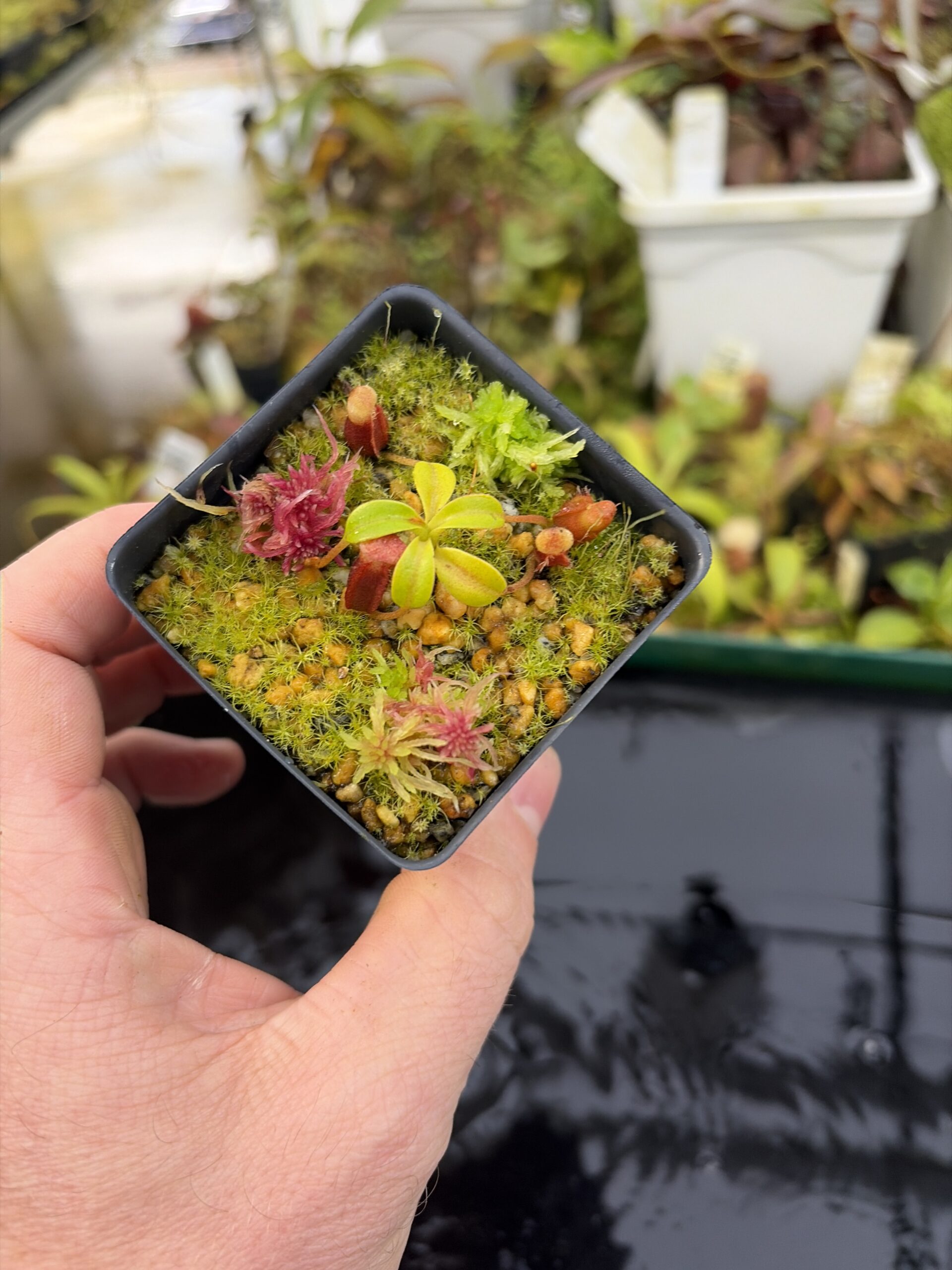
2 specimens in stock, $99.99 to $249.99. Each photo shows the exact plant you receive.

Nepenthes villosa, Clone AP09, specimen H27604
Extra Small · Clone AP09 · Andreas Wistuba
Choose a specimen

$249.99

Size
Extra Small
Clone
Clone AP09
Locality
Mount Kinabalu, Sabah, Borneo
Breeder
Andreas Wistuba
Conditions
Ultra Highland
Propagation
Tissue Culture
Specimen
H27604

Nepenthes villosa

The highest-growing Nepenthes in Borneo, generally found at 2,300 to 3,240 m on Kinabalu and Tambuyukon, with squat, densely hairy pitchers and a wide, ribbed, toothed peristome.

Nepenthes villosa grows higher than any other Bornean Nepenthes, generally 2,300 to 3,240 m on the upper slopes of Mount Kinabalu and neighboring Mount Tambuyukon in Sabah; in the whole genus only N. lamii of New Guinea is recorded higher. It lives in mossy and sub-alpine forest of Dacrydium and Leptospermum and in open ground among shrubs, grass and boulders, on ultramafic soils where the air is close to saturated. Every known population lies within Kinabalu Park. Joseph Dalton Hooker described it in 1852. Where it meets its neighbors it hybridizes naturally: with N. edwardsiana to form N. ×harryana, and with N. rajah to form N. ×kinabaluensis.

Villosa means hairy, and dense, long brown hairs cover every part of the plant. The pitchers are squat, urn-shaped to egg-shaped, up to about 25 cm tall, with fringed wings down the front. The peristome is one of the most elaborate in the genus, cylindrical, up to 20 mm wide, and heavily ribbed and toothed. Its closest relatives are N. edwardsiana and N. macrophylla.

Specimens available now

Learn more about this plant

Care

Growing ultra highland Nepenthes

Cool, wet and stable: the conditions of the highest Bornean and Sumatran summits.

These plants come from the highest Nepenthes habitats, where cool, misty nights follow mild days all year. Nights in the low 50s F (10 to 12 C) or a little lower, days no warmer than about 75 F (24 C), humidity above 80 percent, constant airflow and bright light. A stable setup matters more than any single number: warm nights and stagnant air are what set these plants back.

Use an open, airy mix that drains fast, such as long-fiber sphagnum with perlite or bark, and keep it evenly moist with pure water (rain, distilled or reverse osmosis). Keep water off the crown and out of the leaf axils.

Growth is slow until a plant is established, and each new pitcher tends to be larger than the last. Pitchers feed the plant on their own; fertilizer, if any, should be light and occasional.

Growing highland Nepenthes

Cool nights, mild days, high humidity and steady airflow, the mountain cloud forest that most of our Nepenthes come from.

Highland Nepenthes grow in montane forest where nights cool down sharply after mild days. Aim for nights about 50 to 55 F (10 to 13 C), days 70 to 78 F (21 to 26 C), humidity above 70 to 80 percent, bright filtered light and constant airflow. The night drop is what highland plants need most; a warm room at night slows them down.

Grow them in an open, airy mix that drains fast, such as long-fiber sphagnum with perlite or bark, and keep it evenly moist with pure water (rain, distilled or reverse osmosis). Never let the pot sit in water for long.

New plants settle in over a few weeks; keep conditions steady while they do. The pitchers catch their own food, so fertilizer, if any, should be light and occasional.