
Pinguicula esseriana

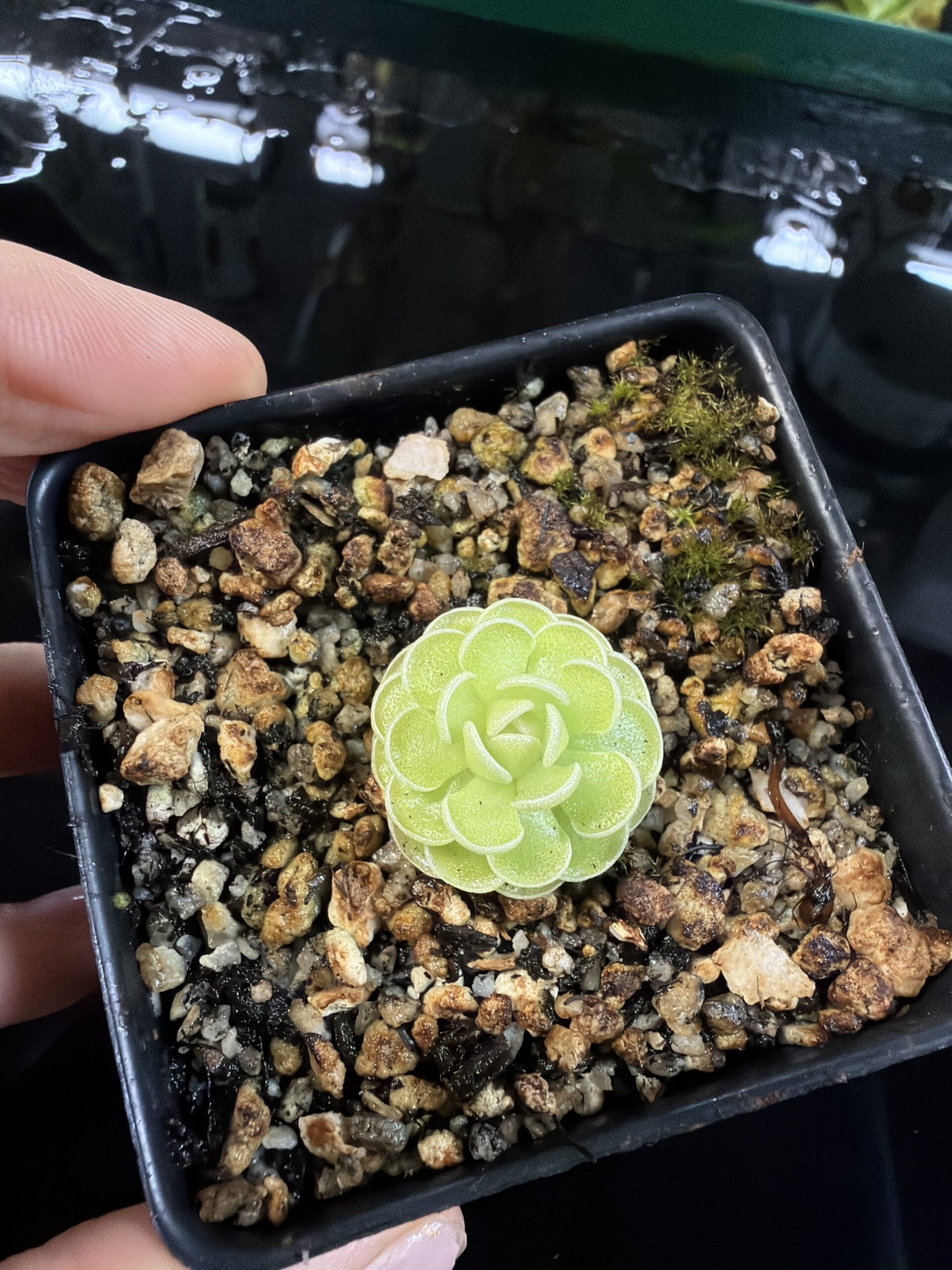
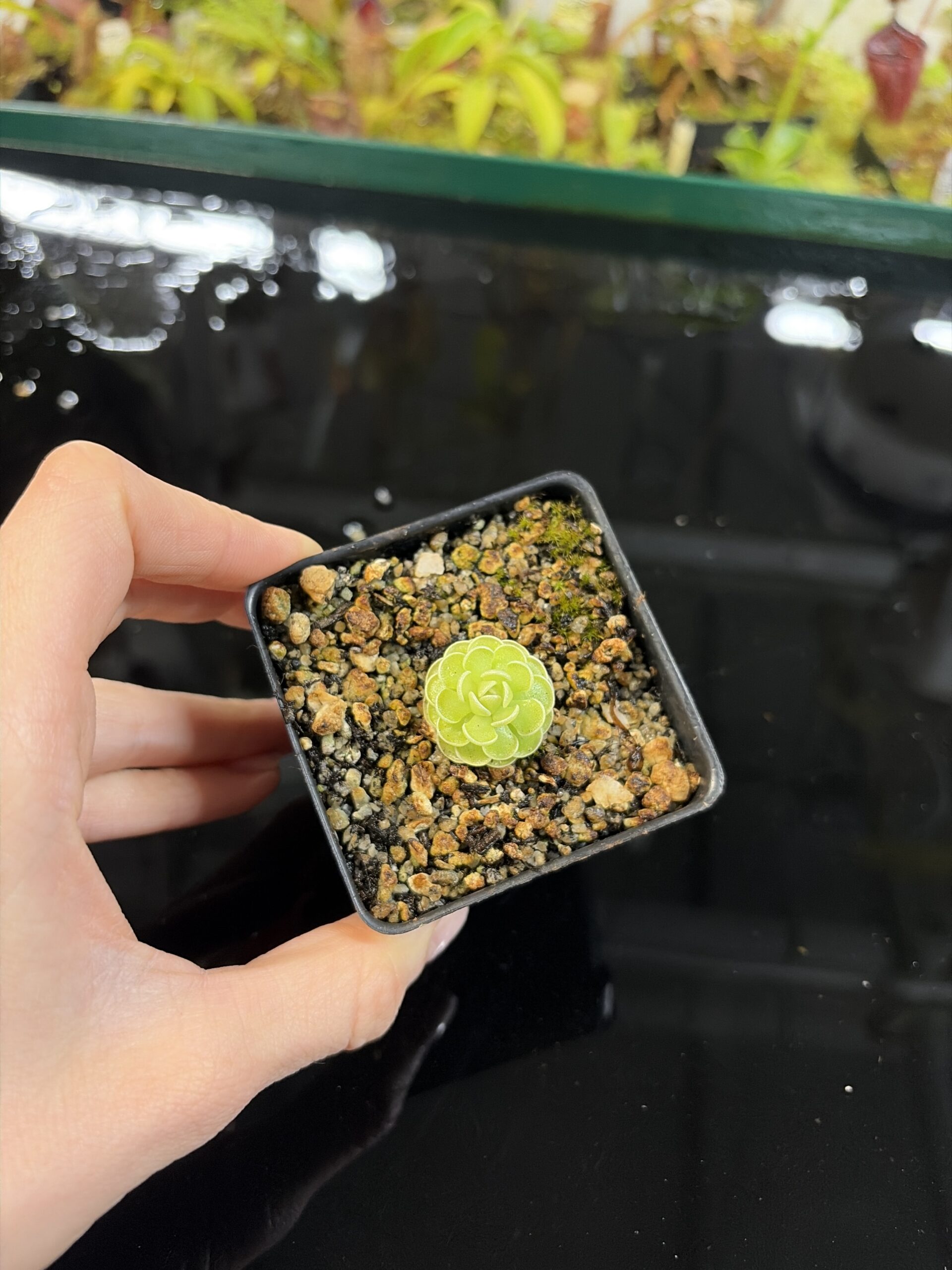
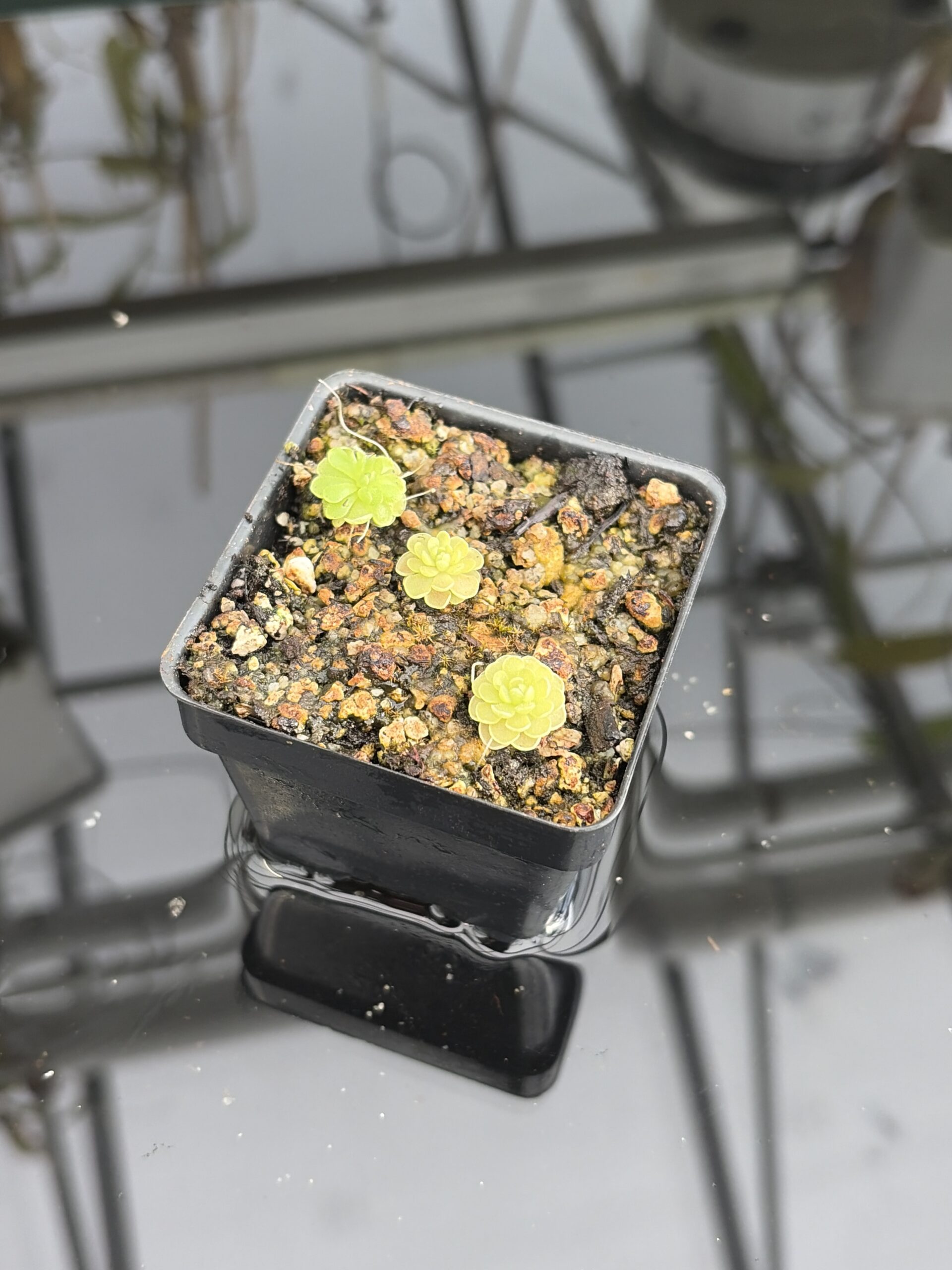
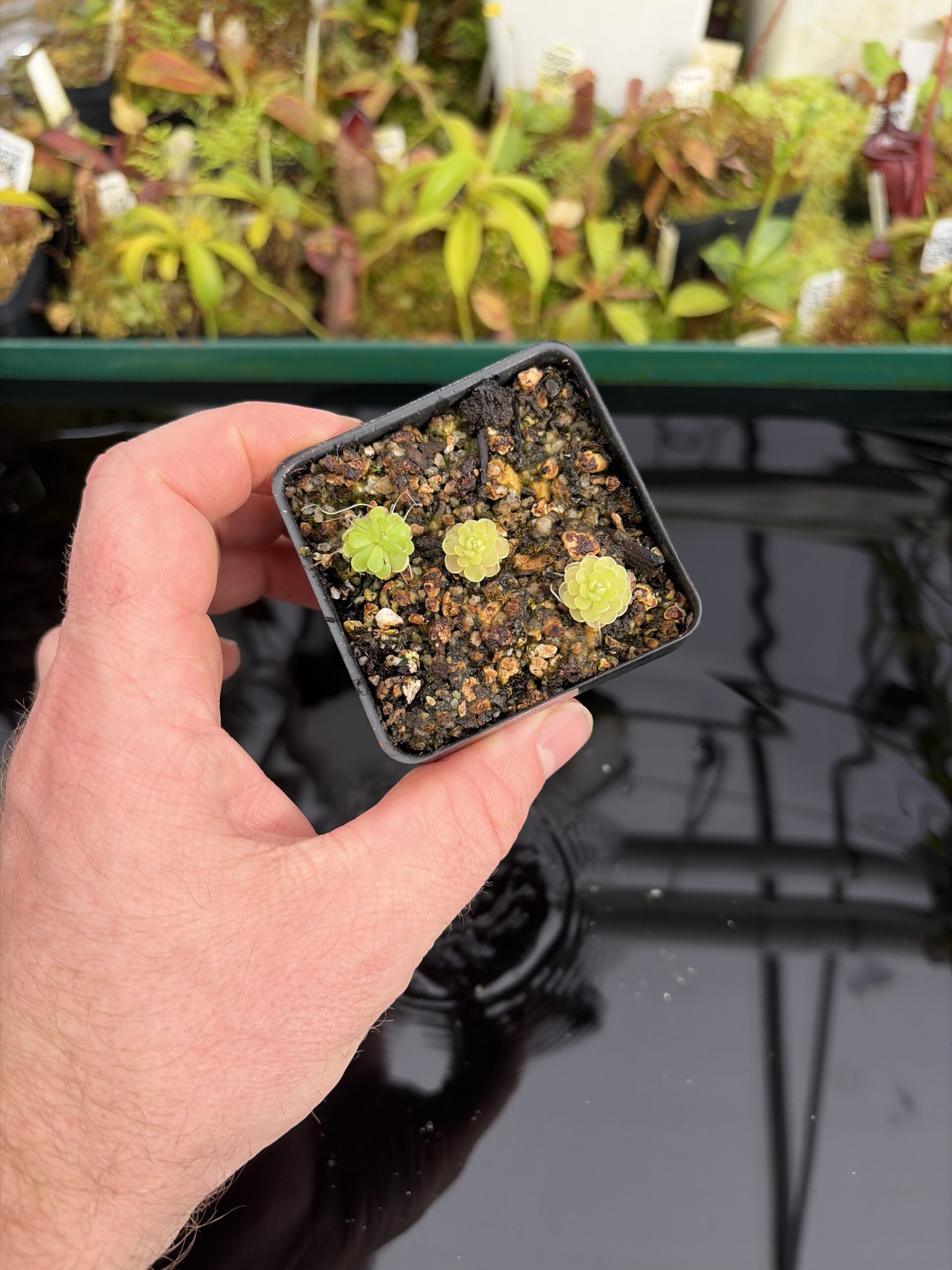
2 specimens in stock, $18.99 to $24.99. Each photo shows the exact plant you receive.

Pinguicula esseriana, specimen IN27745
Extra Small · Best Carnivorous Plants
Choose a specimen

$24.99

Size
Extra Small
Locality
N/A
Breeder
Best Carnivorous Plants
Producer code
BCP-1356
Conditions
Intermediate
Propagation
Tissue Culture
Specimen
IN27745

Pinguicula esseriana

A tiny butterwort from the high plateau near El Huizache, San Luis Potosí, described in 1981, with violet flowers that are large for the size of the plant.

Pinguicula esseriana comes from Mexico, from a high plateau near El Huizache in the state of San Luis Potosí. Bernd Kirchner described it in 1981 in the journal Willdenowia as a new species from Mexico. P. jaumavensis is considered a close relative, and some growers treat the two, with P. ehlersiae, as one variable complex.

It is a very small plant with a strong seasonal rhythm. In the dry winter it forms a tight rosette of around 30 small, succulent, triangular leaves, about 4 mm wide, that do not catch prey. In the wet season it replaces them with fewer, much larger carnivorous leaves that lie flat against the soil, their blades about 18 mm wide at the tip. It does not form a resting bud. The flowers rise on stalks about 8 cm tall and are large for the plant: pale to dark violet, with a three-lobed lower lip about 18 mm across, a white triangular patch in the throat tipped with yellow, and a long, violet-streaked spur of around 18 mm.

Specimens available now

Learn more about this plant

Care

Growing Mexican butterworts

Bright light and a lean, open mix; most rest drier in winter, while the year-round growers stay moist.

Most of our Pinguicula are Mexican butterworts. Many grow sticky, carnivorous leaves through the warm, wet season, then form a tight rosette of small, succulent leaves for a drier winter. Others, such as P. gigantea and P. emarginata, keep their carnivorous leaves all year. We grow them intermediate, in bright light with steady airflow.

Most do best in a lean, open mix that drains fast, such as perlite, pumice or gypsum sand with a little peat. Through the summer, water with pure water and keep the mix moist. When a plant forms its winter rosette, water much less, just enough to stop it shriveling; year-round growers stay evenly moist. Keep water off the leaves.

The leaves catch small insects such as fungus gnats on their own. No fertilizer is needed.