
Pinguicula rotundiflora

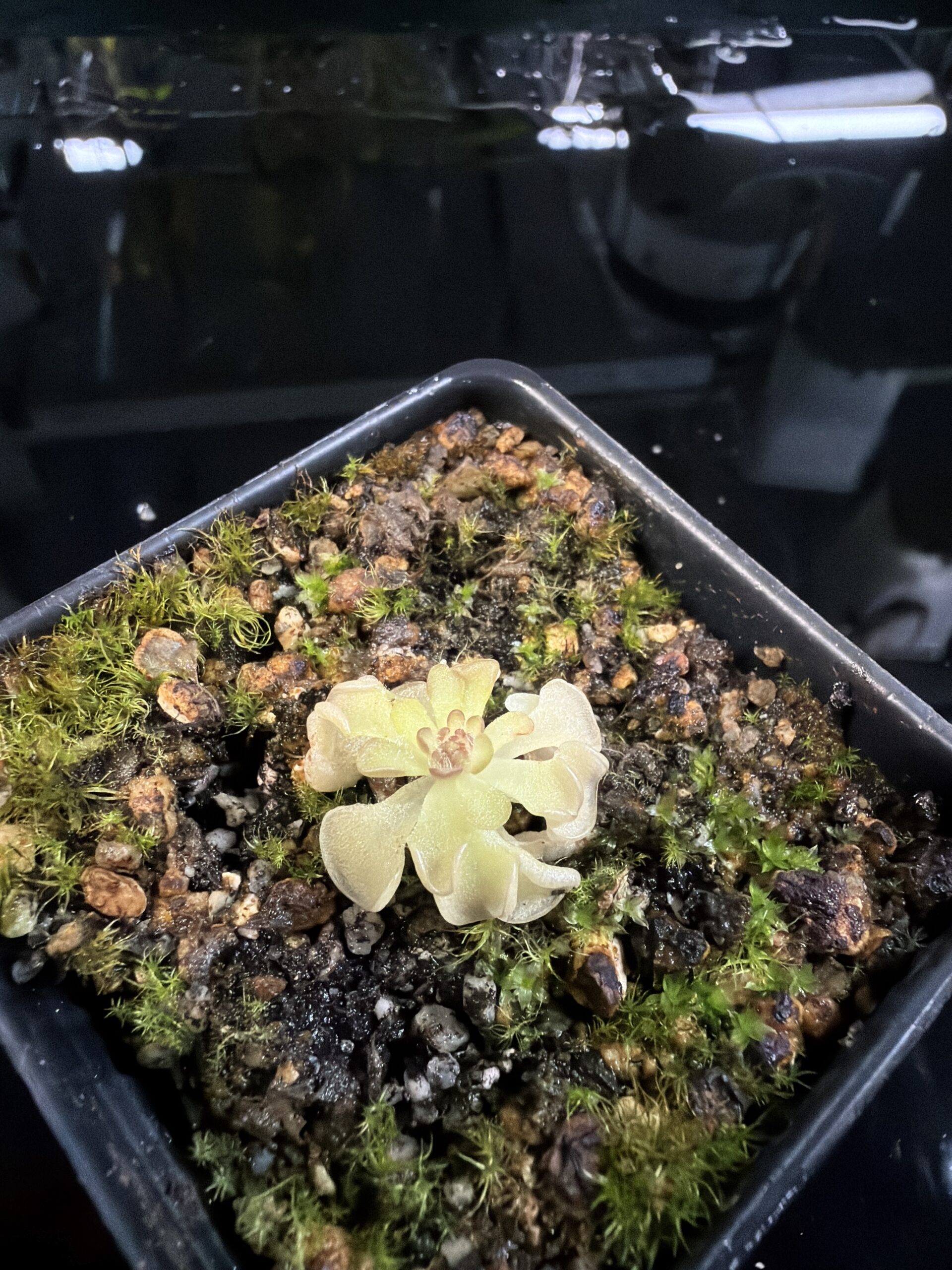
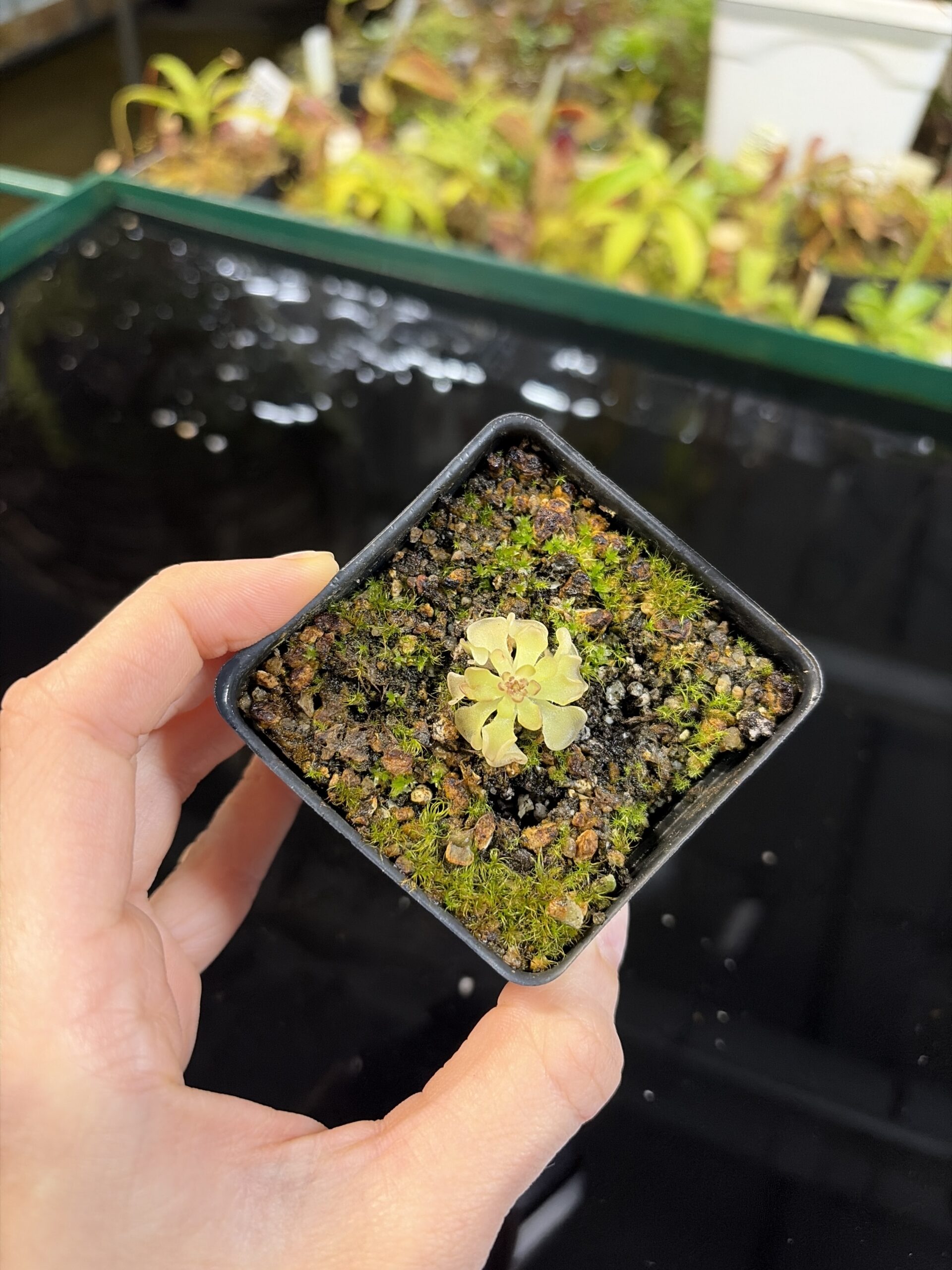
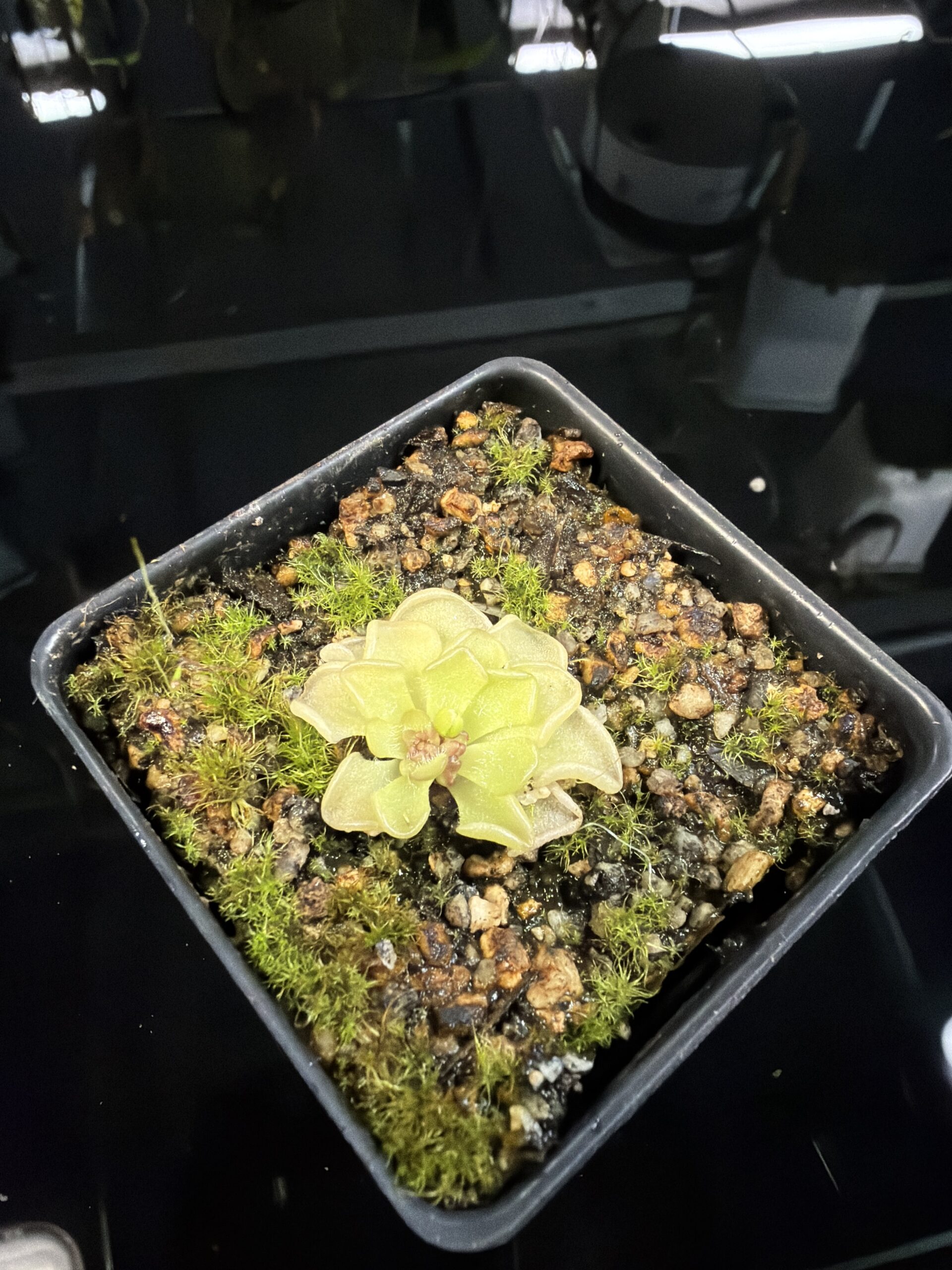
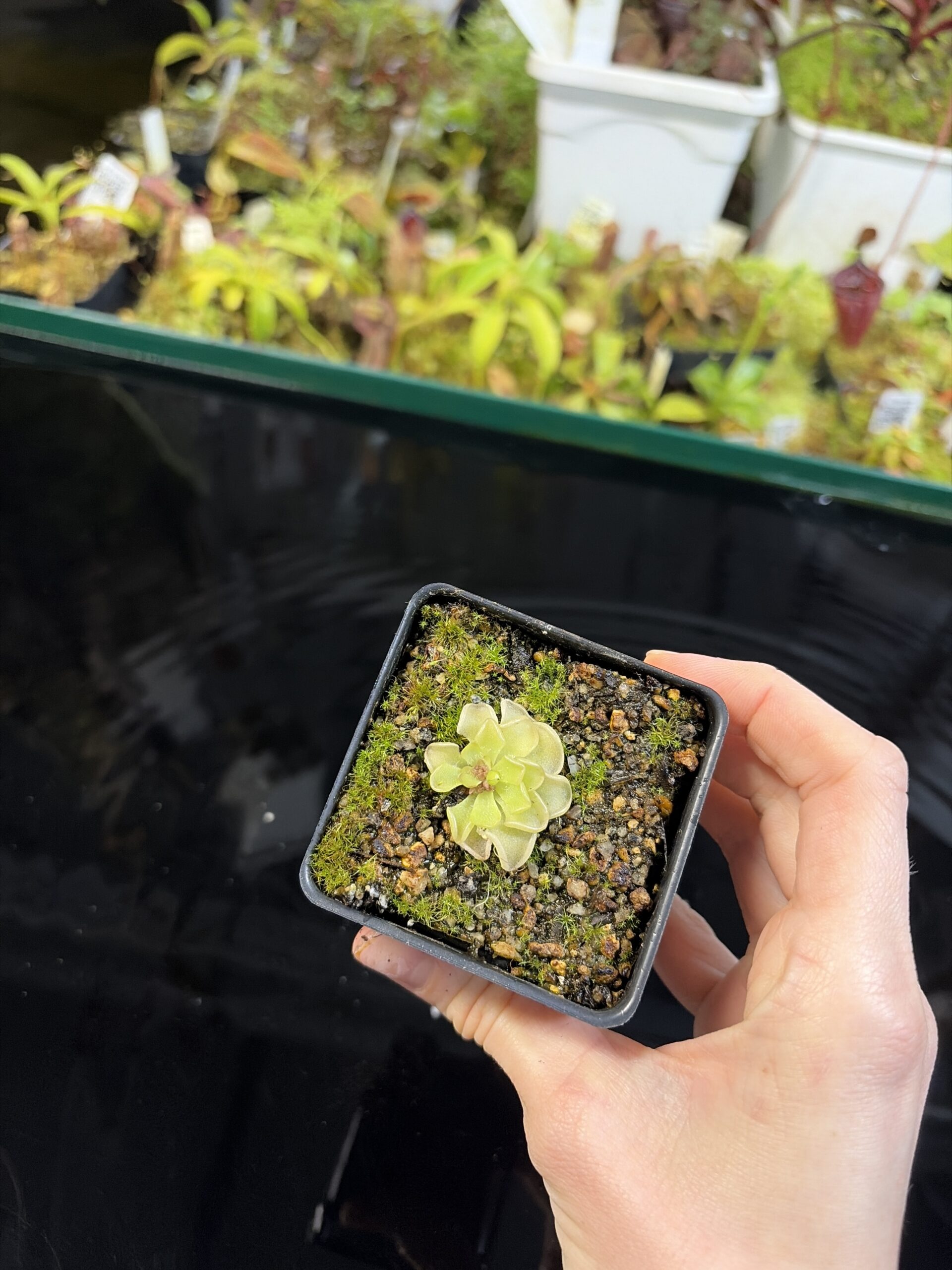
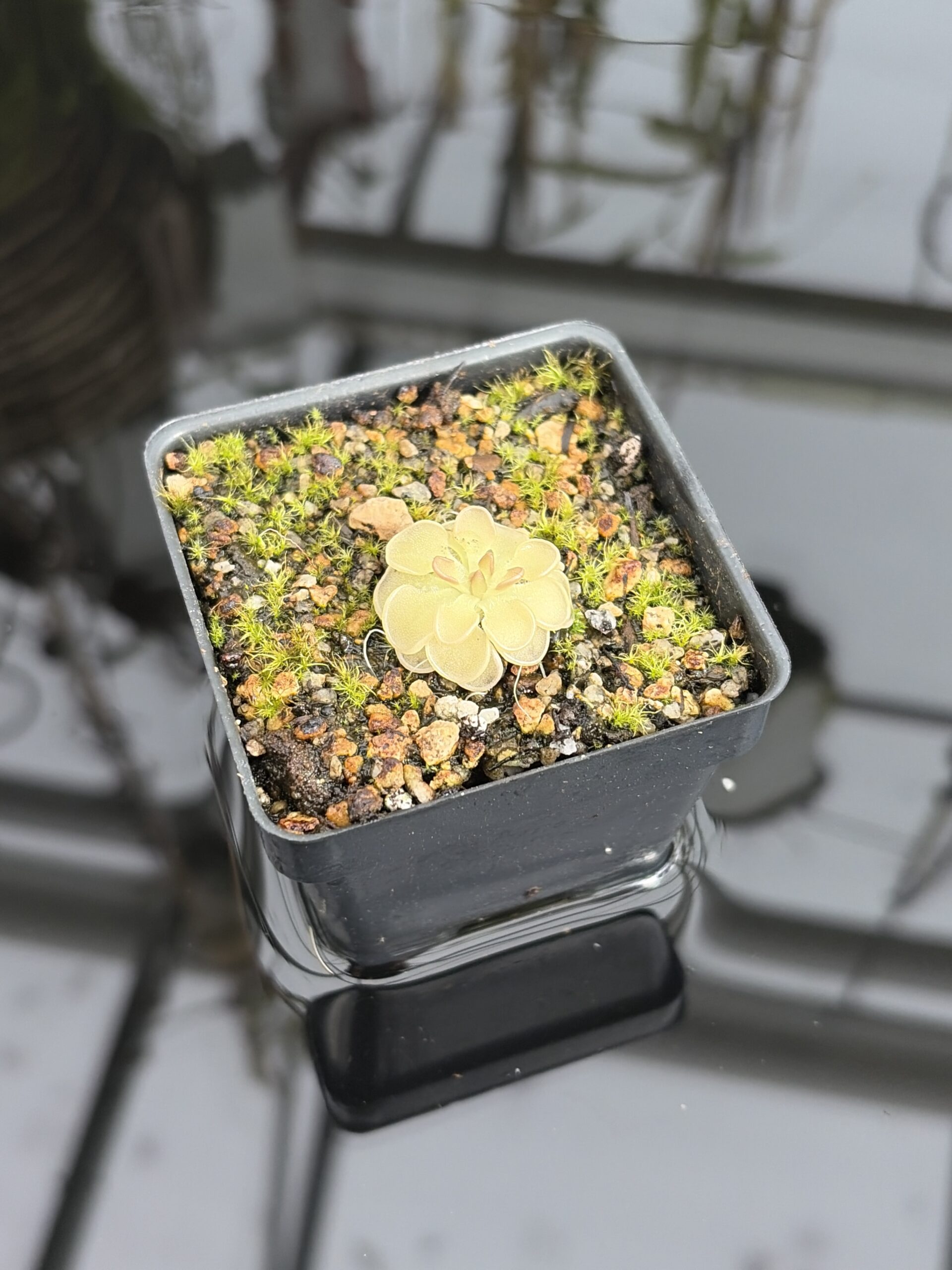
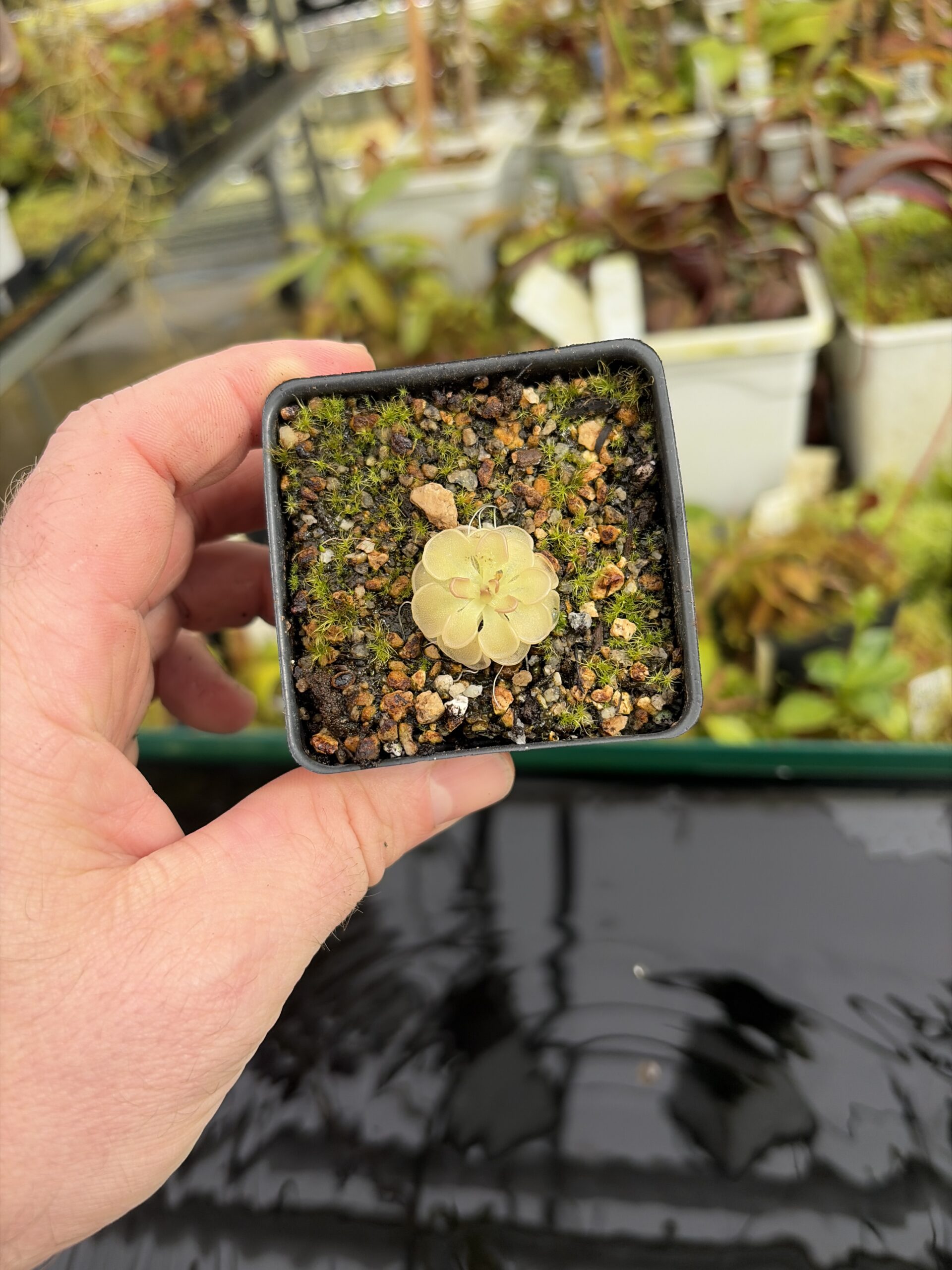
3 specimens in stock, $16.99 to $21.99. Each photo shows the exact plant you receive.

Pinguicula rotundiflora, specimen IN27771
Extra Small · Best Carnivorous Plants
Choose a specimen

$21.99

Size
Extra Small
Locality
N/A
Breeder
Best Carnivorous Plants
Producer code
BCP-595
Conditions
Intermediate
Propagation
Tissue Culture
Specimen
IN27771

Pinguicula rotundiflora

A small butterwort of northeastern Mexico, found on gypsum and limestone in Tamaulipas and Nuevo León, that flowers from its succulent winter rosette.

Pinguicula rotundiflora is a small butterwort from northeastern Mexico, known from the states of Tamaulipas and Nuevo León. It first appeared in a seed catalogue around 1980 under a provisional number, and Miloslav Studnička described it formally in 1985. P. jorgehintonii, described from Nuevo León in 1994, is now treated as a synonym. Near Jaumave in Tamaulipas it grows on calcareous soil in pine and sweetgum forest at about 2,200 m. In Nuevo León it grows on gypsum in dry scrub in the gorge between Rayones and Galeana, at about 1,300 m, and in pine-oak woodland elsewhere in the state.

It follows the seasonal rhythm of many Mexican butterworts. In the dry season it forms a small, succulent winter rosette of many non-carnivorous leaves, and it flowers from that rosette. With the rains come the sticky, carnivorous summer leaves, with a rosette of rounded leaves in between.

Specimens available now

Learn more about this plant

Care

Growing Mexican butterworts

Bright light and a lean, open mix; most rest drier in winter, while the year-round growers stay moist.

Most of our Pinguicula are Mexican butterworts. Many grow sticky, carnivorous leaves through the warm, wet season, then form a tight rosette of small, succulent leaves for a drier winter. Others, such as P. gigantea and P. emarginata, keep their carnivorous leaves all year. We grow them intermediate, in bright light with steady airflow.

Most do best in a lean, open mix that drains fast, such as perlite, pumice or gypsum sand with a little peat. Through the summer, water with pure water and keep the mix moist. When a plant forms its winter rosette, water much less, just enough to stop it shriveling; year-round growers stay evenly moist. Keep water off the leaves.

The leaves catch small insects such as fungus gnats on their own. No fertilizer is needed.