
Nepenthes boschiana × villosa

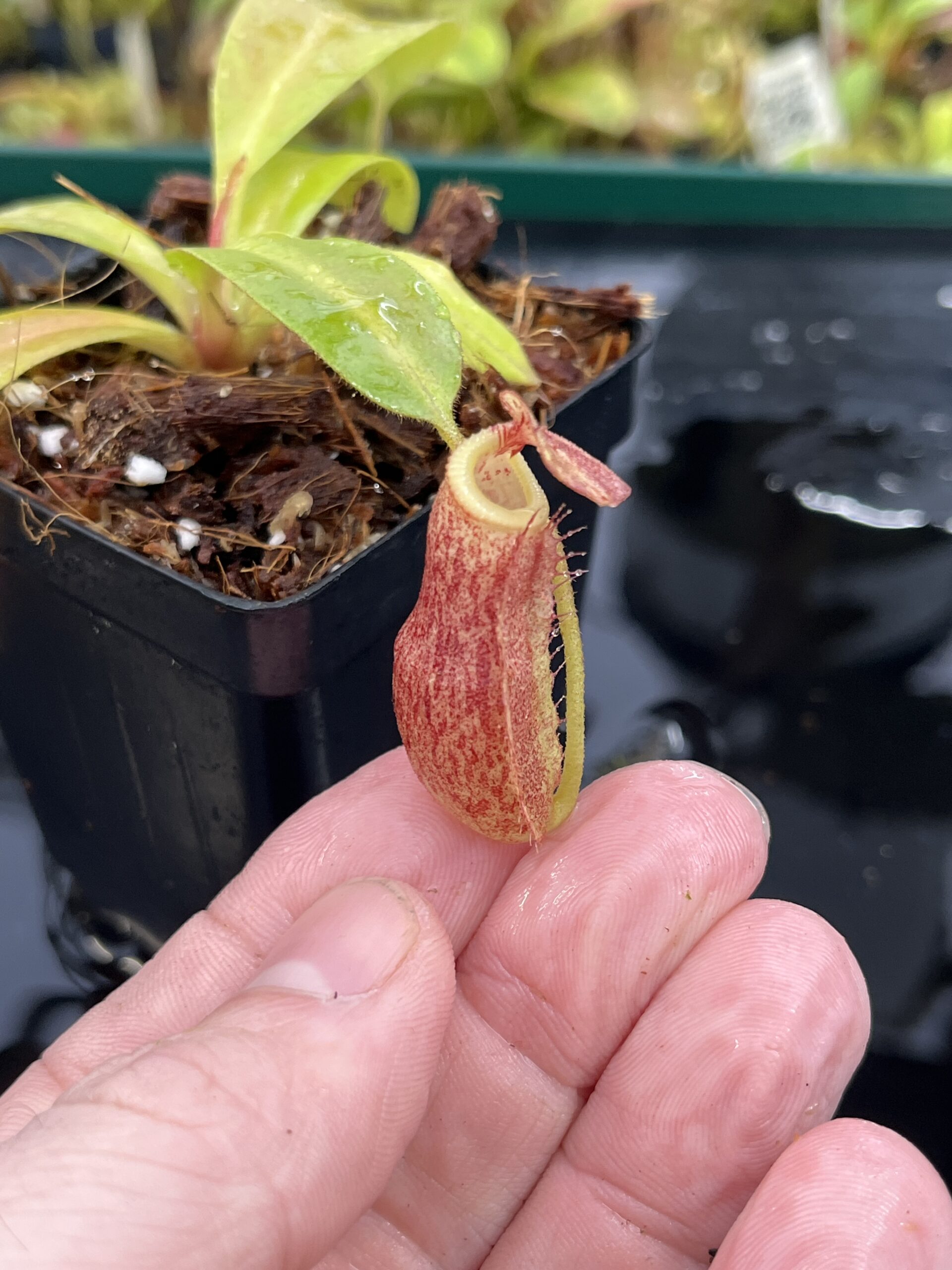
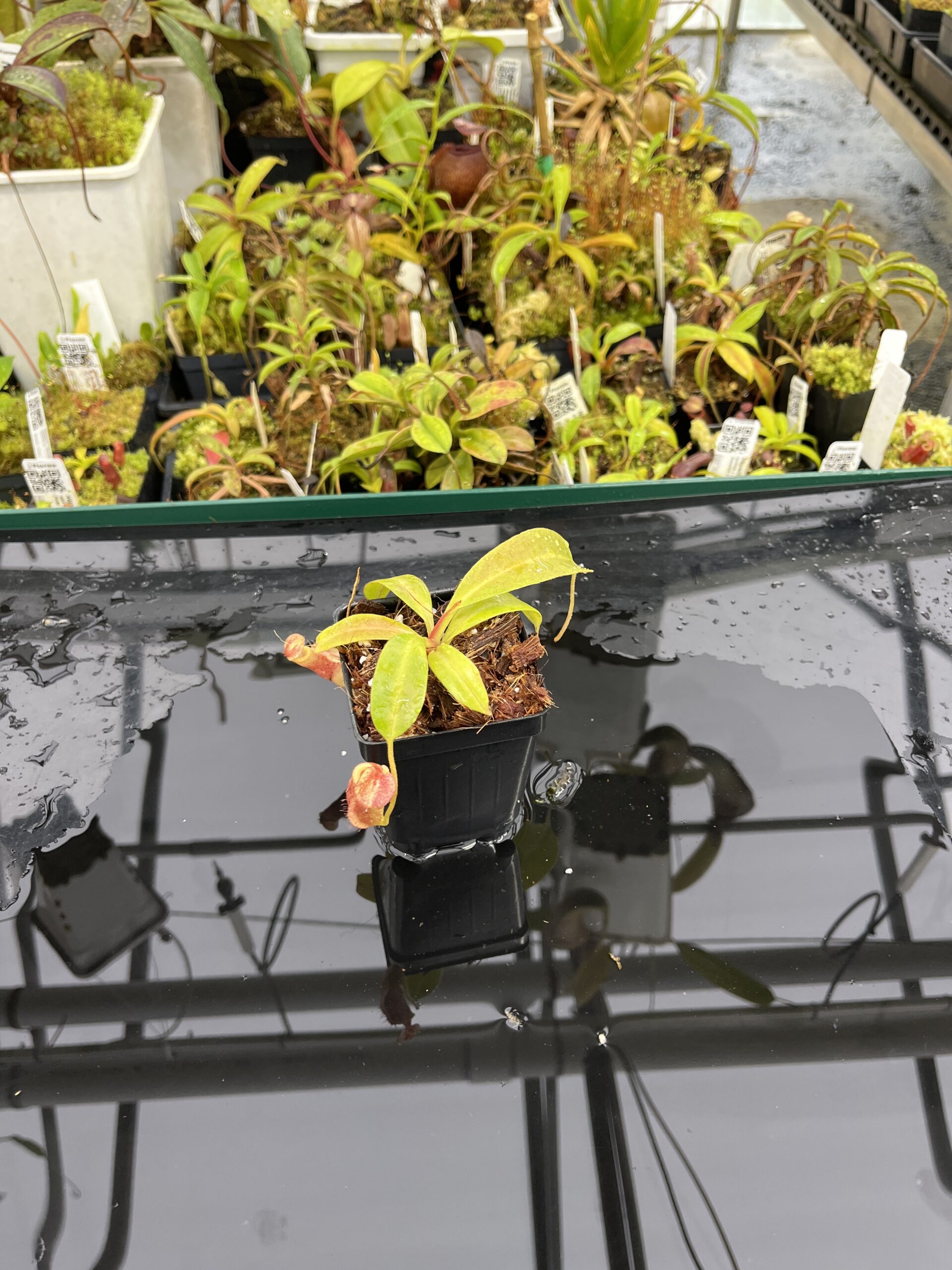
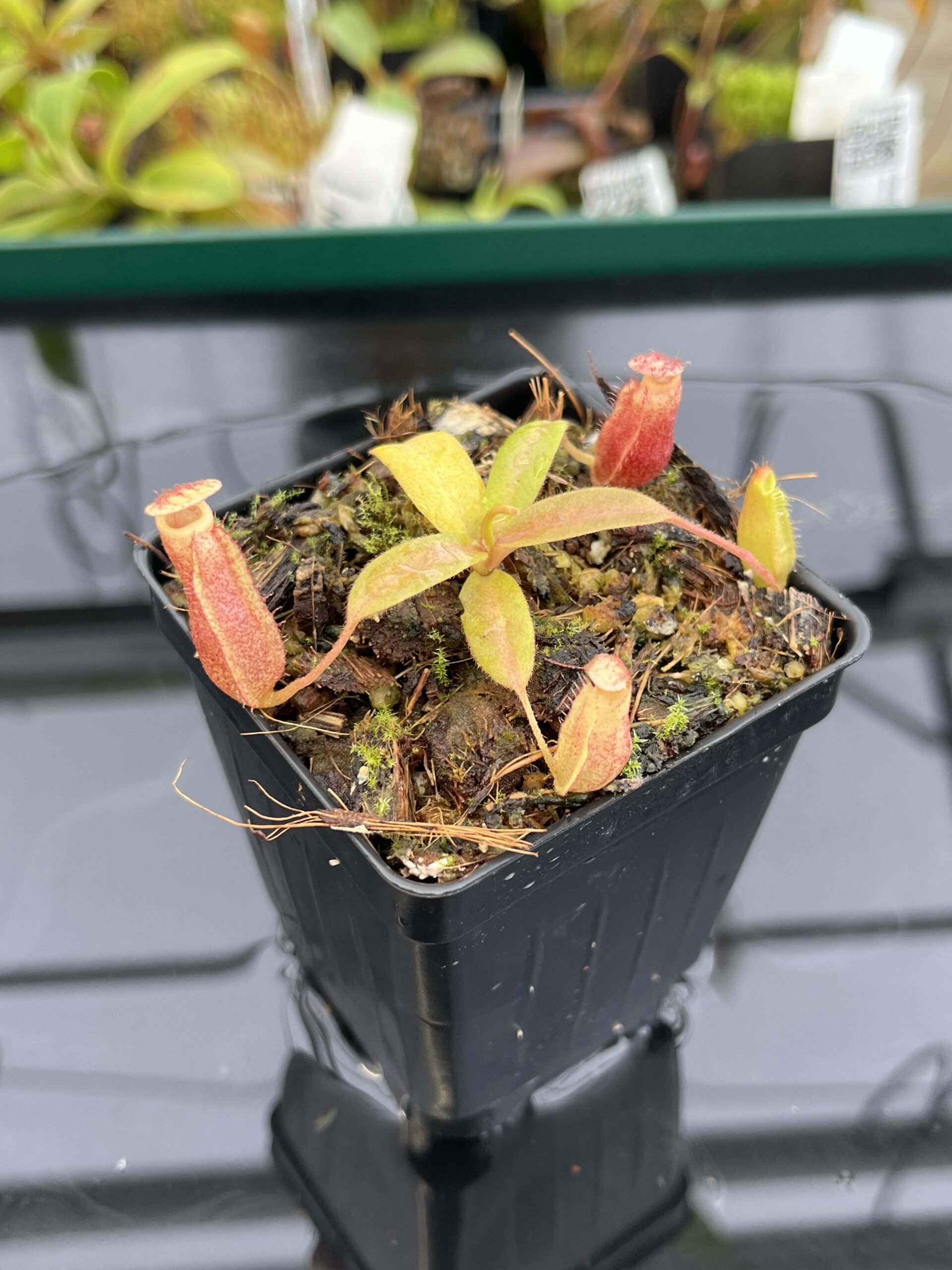
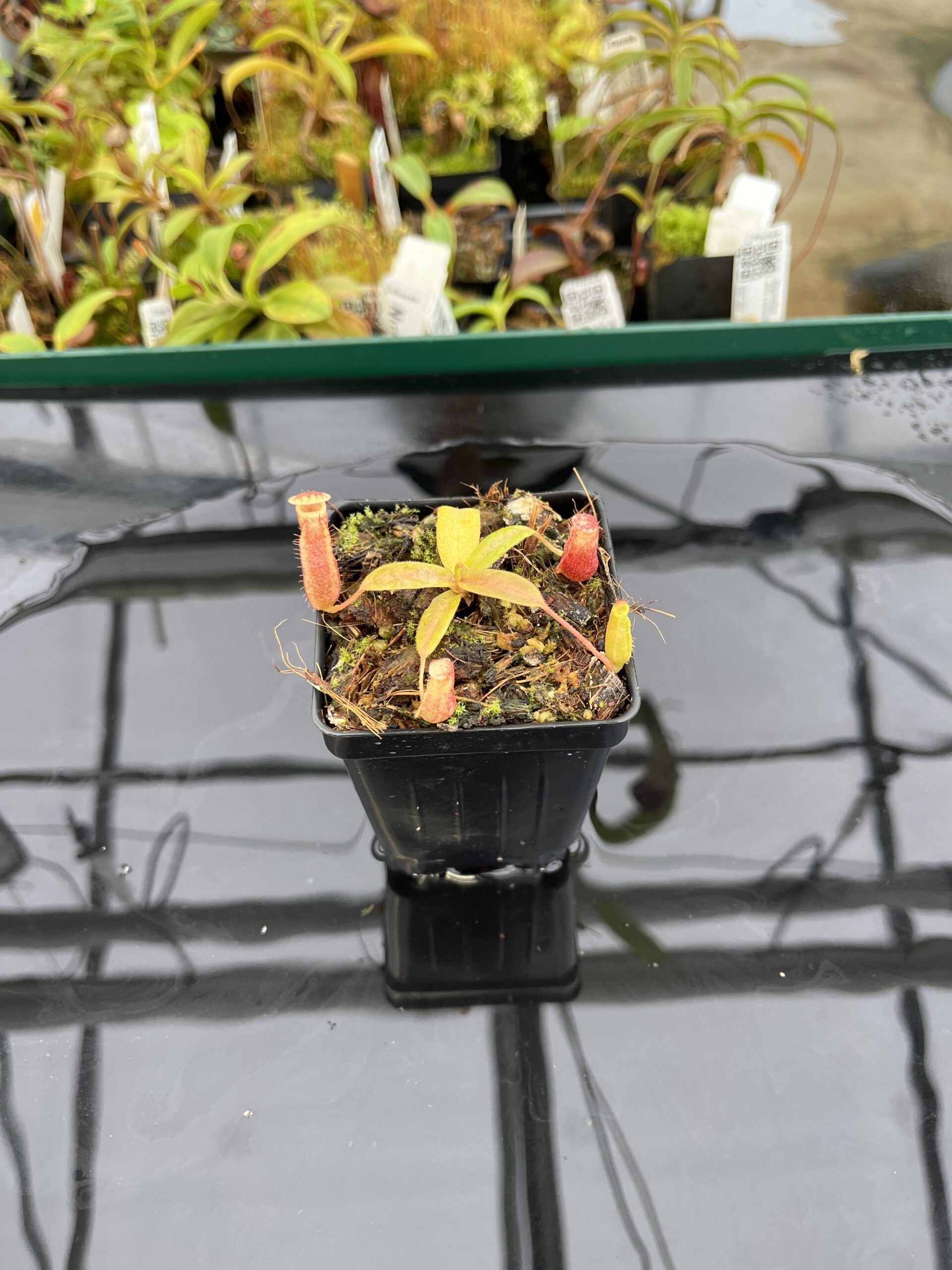
4 specimens in stock, $42.49 to $93.49. Each photo shows the exact plant you receive.

Nepenthes boschiana × villosa, Clone 04, specimen IN25192
Medium · Clone 04 · Jeremiah Harris
Choose a specimen

$59.99 $50.99

Size
Medium
Clone
Clone 04
Locality
N/A
Breeder
Jeremiah Harris
Producer code
JH-366.04
Conditions
Intermediate
Propagation
Tissue Culture
Specimen
IN25192

Nepenthes boschiana × villosa

N. boschiana from South Kalimantan crossed with N. villosa, the highest-growing Bornean Nepenthes, known for its heavily ribbed peristome.

Both parents are Bornean but live far apart. Nepenthes boschiana is endemic to the Meratus Mountains of South Kalimantan at about 1,200 to 1,800 m, where Korthals recorded it on open, stony ground when he described it in 1839. N. villosa grows higher than any other Bornean Nepenthes, generally 2,300 to 3,240 m on Mount Kinabalu, as a terrestrial shrub among boulders and stunted scrub on ultramafic soils.

N. boschiana brings size, with pitchers close to 30 cm on strong plants. N. villosa brings one of the most elaborate peristomes in the genus, wide, heavily ribbed and toothed, on squat, hairy pitchers. A cross like this aims at a large pitcher with a heavy rim. Documentation on this cross is limited, so expect individual character.

Specimens available now

Learn more about this plant

Breeders

Jeremiah Harris

Colorado Springs grower and hybridizer, founder of the Colorado Carnivorous Plant Society, and breeder of 'Leviathan'.

Jeremiah Harris grows and breeds Nepenthes in Colorado Springs, and he founded the Colorado Carnivorous Plant Society in 2003. Among his crosses is 'Leviathan', a cross of N. rajah and N. peltata that he first made in 2008. According to Guinness World Records, the name refers both to the biblical sea monster and to his brother Levi, and a male 'Leviathan' plant sold to an anonymous buyer for $4,500 in July 2019. Other growers have since used 'Leviathan' in crosses of their own.

Parents

Nepenthes boschiana

A Nepenthes of the Meratus Mountains in South Kalimantan, described by Korthals in 1839 and long used by local people, whose pitcher water treated sore eyes.

Nepenthes villosa

The highest-growing Nepenthes in Borneo, generally found at 2,300 to 3,240 m on Kinabalu and Tambuyukon, with squat, densely hairy pitchers and a wide, ribbed, toothed peristome.

Care

Growing intermediate Nepenthes

Warm days, mild nights and high humidity: forgiving conditions that suit hybrids with both highland and lowland parents.

Intermediate Nepenthes sit between the cool highland and the warm lowland plants, and many hybrids with parents from both are happiest here. Aim for days about 70 to 80 F (21 to 27 C) and nights about 55 to 65 F (13 to 18 C), with humidity above 70 percent, bright filtered light and good airflow. A modest drop at night helps, but these plants tolerate more warmth than strict highlanders.

Use an open mix that drains fast, such as long-fiber sphagnum with perlite or bark, and keep it evenly moist with pure water (rain, distilled or reverse osmosis).

Give larger plants room to climb or trail as they mature. The pitchers feed the plant; fertilizer, if any, should be light and occasional.